White HouseSenateThe HouseSupreme CourtFederal ReserveDOJState DepartmentTreasuryCensusBudget OfficeTrade Representative
WashingTone
Informed by Washington, Defined by Insight
Monday, May 11, 2026
WashingTone

Qatar and Saudi Arabia Coordinate De-escalation Efforts Amid Rising US-Iran Tensions
Gulf powers intensify diplomatic coordination as regional risks grow around US–Iran confrontation and maritime security concerns
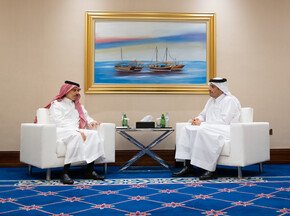
ACTOR-DRIVEN diplomacy is shaping the latest round of regional security coordination between Qatar and Saudi Arabia, as the two Gulf states discuss de-escalation efforts linked to escalating tensions involving the United States and Iran.
What is confirmed is that senior officials from Qatar and Saudi Arabia have engaged in discussions focused on reducing regional tensions and preventing spillover from the broader US–Iran confrontation.
These talks reflect ongoing Gulf Cooperation Council efforts to manage security risks through diplomacy rather than escalation, particularly as the region remains sensitive to disruptions in energy flows and maritime trade routes.
The US–Iran relationship has long been a central axis of instability in the Middle East, with tensions periodically rising over Iran’s nuclear program, sanctions enforcement, military incidents in the Gulf, and proxy conflicts across the region.
Gulf states such as Qatar and Saudi Arabia are strategically positioned between these two powers, both geographically and politically, and often act as intermediaries or stabilizing actors when tensions intensify.
Qatar in particular has maintained a diplomatic posture that allows it to engage with multiple sides in regional conflicts, including Iran, while also hosting a major US military presence.
Saudi Arabia, by contrast, has historically taken a more confrontational stance toward Iran but has in recent years pursued cautious normalization and de-escalation channels aimed at reducing direct confrontation and protecting domestic economic priorities.
The current discussions are understood in this broader context of regional risk management.
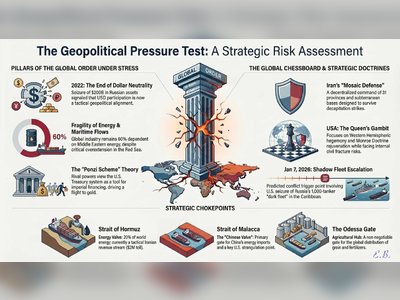
Gulf economies are heavily dependent on stable energy exports and secure shipping lanes, especially through the Strait of Hormuz, one of the world’s most critical oil transit chokepoints.
Any escalation involving Iran or US military assets in the region carries the potential to disrupt global energy markets and raise insurance and shipping costs.
The coordination between Doha and Riyadh reflects a shared recognition that uncontrolled escalation would have immediate economic and security consequences across the Gulf.
Even limited incidents, such as attacks on infrastructure or maritime interference, can trigger rapid diplomatic responses and heightened military readiness across multiple states.
While the discussions focus on de-escalation, they also reinforce the evolving role of Gulf states as active diplomatic participants rather than passive observers in US–Iran tensions.
In recent years, regional governments have increasingly sought to diversify diplomatic channels, balancing security partnerships with the United States while also maintaining working relationships with Iran to reduce the risk of direct conflict on their borders.
The outcome of these efforts is likely to influence the tone of regional diplomacy in the coming months, particularly if tensions between Washington and Tehran intensify further.
For now, the engagement between Qatar and Saudi Arabia underscores a shared strategic priority: containing escalation before it translates into direct economic disruption or military confrontation in the Gulf region.
What is confirmed is that senior officials from Qatar and Saudi Arabia have engaged in discussions focused on reducing regional tensions and preventing spillover from the broader US–Iran confrontation.
These talks reflect ongoing Gulf Cooperation Council efforts to manage security risks through diplomacy rather than escalation, particularly as the region remains sensitive to disruptions in energy flows and maritime trade routes.
The US–Iran relationship has long been a central axis of instability in the Middle East, with tensions periodically rising over Iran’s nuclear program, sanctions enforcement, military incidents in the Gulf, and proxy conflicts across the region.
Gulf states such as Qatar and Saudi Arabia are strategically positioned between these two powers, both geographically and politically, and often act as intermediaries or stabilizing actors when tensions intensify.
Qatar in particular has maintained a diplomatic posture that allows it to engage with multiple sides in regional conflicts, including Iran, while also hosting a major US military presence.
Saudi Arabia, by contrast, has historically taken a more confrontational stance toward Iran but has in recent years pursued cautious normalization and de-escalation channels aimed at reducing direct confrontation and protecting domestic economic priorities.
The current discussions are understood in this broader context of regional risk management.
Gulf economies are heavily dependent on stable energy exports and secure shipping lanes, especially through the Strait of Hormuz, one of the world’s most critical oil transit chokepoints.
Any escalation involving Iran or US military assets in the region carries the potential to disrupt global energy markets and raise insurance and shipping costs.
The coordination between Doha and Riyadh reflects a shared recognition that uncontrolled escalation would have immediate economic and security consequences across the Gulf.
Even limited incidents, such as attacks on infrastructure or maritime interference, can trigger rapid diplomatic responses and heightened military readiness across multiple states.
While the discussions focus on de-escalation, they also reinforce the evolving role of Gulf states as active diplomatic participants rather than passive observers in US–Iran tensions.
In recent years, regional governments have increasingly sought to diversify diplomatic channels, balancing security partnerships with the United States while also maintaining working relationships with Iran to reduce the risk of direct conflict on their borders.
The outcome of these efforts is likely to influence the tone of regional diplomacy in the coming months, particularly if tensions between Washington and Tehran intensify further.
For now, the engagement between Qatar and Saudi Arabia underscores a shared strategic priority: containing escalation before it translates into direct economic disruption or military confrontation in the Gulf region.