White HouseSenateThe HouseSupreme CourtFederal ReserveDOJState DepartmentTreasuryCensusBudget OfficeTrade Representative
WashingTone
Informed by Washington, Defined by Insight
Monday, May 11, 2026
WashingTone

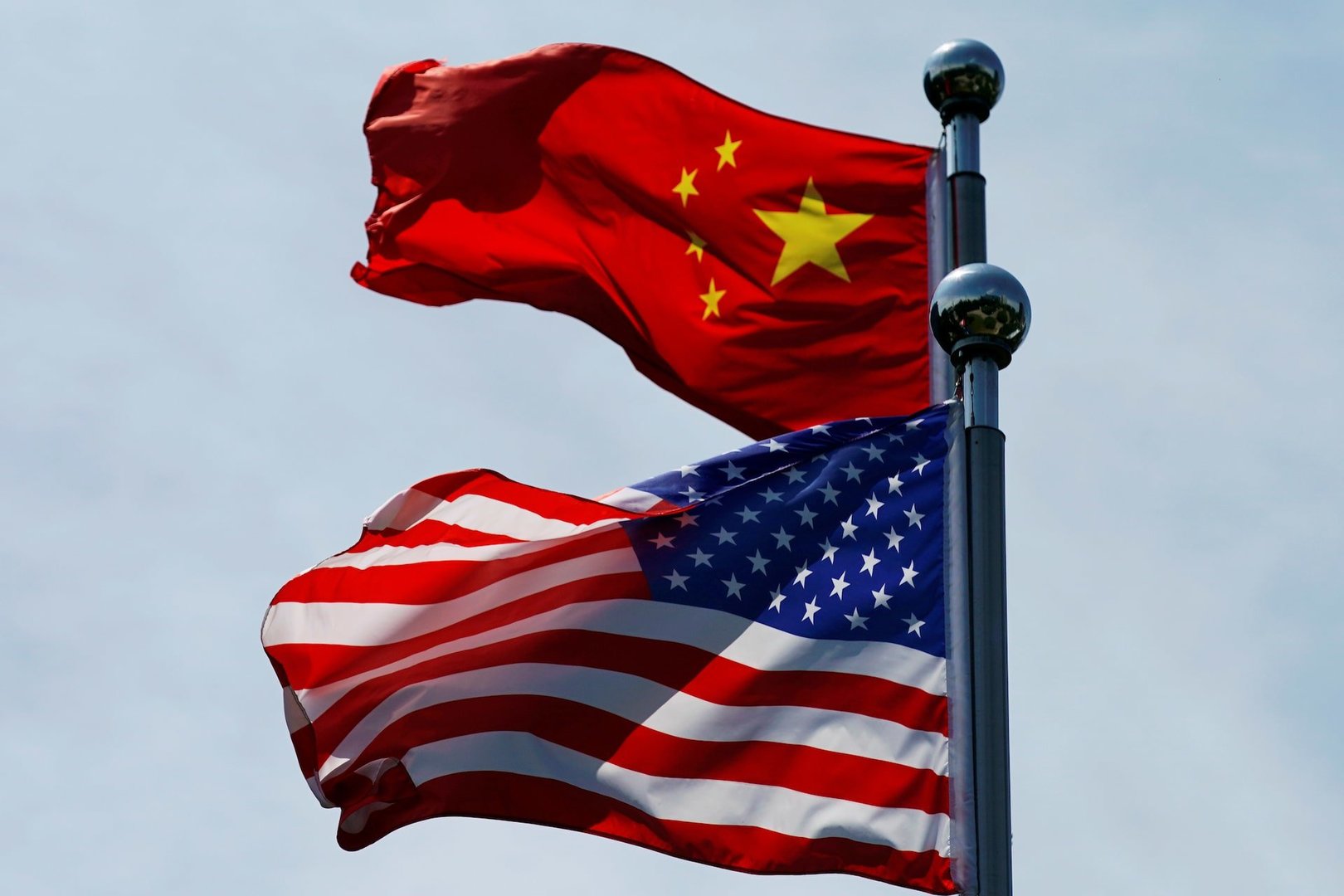
U.S. Weighs Limited Hong Kong Policy Tools as China Tensions Deepen
Washington is reviewing constrained economic and diplomatic options toward Beijing over Hong Kong, reflecting how financial, geopolitical, and legal limits narrow its policy room
The Biden administration is reassessing its policy toolkit toward China in relation to Hong Kong, amid renewed tensions over the territory’s autonomy, financial role, and its integration into mainland governance.
The issue is fundamentally SYSTEM-DRIVEN, shaped by the structure of Hong Kong’s role as a global financial hub under Chinese sovereignty and the limited leverage available to the United States without destabilizing markets.
What is confirmed is that U.S. officials are discussing a narrow set of possible measures aimed at responding to Beijing’s tightening control over Hong Kong.
These options reportedly include targeted financial sanctions, export controls, and adjustments to regulatory pressure on firms operating through or connected to the city.
However, officials also recognize that broad economic measures could carry significant collateral damage, including disruption to global financial markets and harm to U.S. and allied companies with exposure to Hong Kong’s financial system.
The strategic constraint is central to the debate.
Hong Kong remains deeply embedded in global capital flows, particularly in equities, derivatives, and cross-border listings involving Chinese firms.
This limits Washington’s ability to apply aggressive economic pressure without affecting international investors and institutions that rely on the city’s infrastructure.
The tension is therefore not only geopolitical but structural: Hong Kong’s financial openness reduces the effectiveness of punitive tools while increasing the potential cost of using them.
Within the policy discussion, one consistent theme is the difficulty of achieving meaningful leverage over Beijing’s Hong Kong policy through external economic pressure alone.
Earlier cycles of U.S.–China confrontation over the city demonstrated that targeted sanctions on individuals or entities have limited impact on systemic political decisions in Beijing, while more aggressive financial measures risk destabilizing global markets and complicating U.S. financial interests in Asia.
At the same time, the broader geopolitical environment has shifted toward sustained strategic competition between the United States and China.
Hong Kong sits at the intersection of that rivalry: it is both a financial gateway and a symbol of contested autonomy.
This dual role makes it a recurring focal point for policy signaling even when actionable tools are constrained.
Market dynamics add another layer of complexity.
Hong Kong’s exchange continues to evolve as a major derivatives and listings hub for Chinese and international capital, and investor activity has remained closely tied to volatility in Chinese equities and geopolitical risk perceptions.
Any policy move that alters confidence in the city’s regulatory or financial stability could reverberate far beyond the immediate U.S.–China relationship.
The outcome of the current review is expected to reflect this balance of constraint and signaling: maintaining pressure on issues of governance and autonomy while avoiding measures that would significantly disrupt global financial infrastructure.
In practice, this points toward incremental actions rather than systemic financial restrictions, reinforcing the limited scope of available policy tools even as strategic tensions remain high.
The issue is fundamentally SYSTEM-DRIVEN, shaped by the structure of Hong Kong’s role as a global financial hub under Chinese sovereignty and the limited leverage available to the United States without destabilizing markets.
What is confirmed is that U.S. officials are discussing a narrow set of possible measures aimed at responding to Beijing’s tightening control over Hong Kong.
These options reportedly include targeted financial sanctions, export controls, and adjustments to regulatory pressure on firms operating through or connected to the city.
However, officials also recognize that broad economic measures could carry significant collateral damage, including disruption to global financial markets and harm to U.S. and allied companies with exposure to Hong Kong’s financial system.
The strategic constraint is central to the debate.
Hong Kong remains deeply embedded in global capital flows, particularly in equities, derivatives, and cross-border listings involving Chinese firms.
This limits Washington’s ability to apply aggressive economic pressure without affecting international investors and institutions that rely on the city’s infrastructure.
The tension is therefore not only geopolitical but structural: Hong Kong’s financial openness reduces the effectiveness of punitive tools while increasing the potential cost of using them.
Within the policy discussion, one consistent theme is the difficulty of achieving meaningful leverage over Beijing’s Hong Kong policy through external economic pressure alone.
Earlier cycles of U.S.–China confrontation over the city demonstrated that targeted sanctions on individuals or entities have limited impact on systemic political decisions in Beijing, while more aggressive financial measures risk destabilizing global markets and complicating U.S. financial interests in Asia.
At the same time, the broader geopolitical environment has shifted toward sustained strategic competition between the United States and China.
Hong Kong sits at the intersection of that rivalry: it is both a financial gateway and a symbol of contested autonomy.
This dual role makes it a recurring focal point for policy signaling even when actionable tools are constrained.
Market dynamics add another layer of complexity.
Hong Kong’s exchange continues to evolve as a major derivatives and listings hub for Chinese and international capital, and investor activity has remained closely tied to volatility in Chinese equities and geopolitical risk perceptions.
Any policy move that alters confidence in the city’s regulatory or financial stability could reverberate far beyond the immediate U.S.–China relationship.
The outcome of the current review is expected to reflect this balance of constraint and signaling: maintaining pressure on issues of governance and autonomy while avoiding measures that would significantly disrupt global financial infrastructure.
In practice, this points toward incremental actions rather than systemic financial restrictions, reinforcing the limited scope of available policy tools even as strategic tensions remain high.