White HouseSenateThe HouseSupreme CourtFederal ReserveDOJState DepartmentTreasuryCensusBudget OfficeTrade Representative
WashingTone
Informed by Washington, Defined by Insight
Monday, May 11, 2026
WashingTone

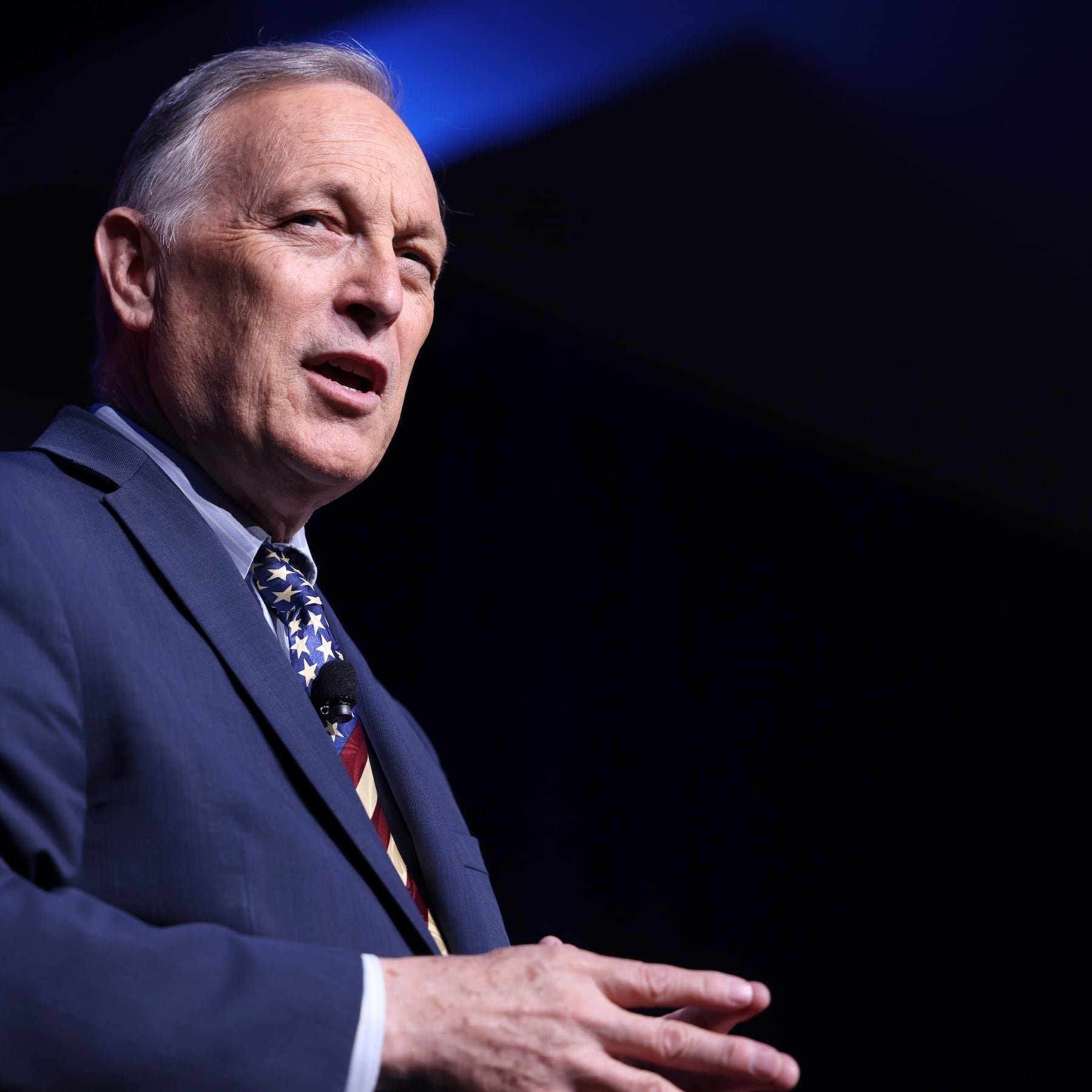
Election Denial Politics Resurface as Controversial Republicans Eye Governor Races
Candidates who questioned the legitimacy of the 2020 U.S. presidential election are positioned in several upcoming gubernatorial contests, reshaping debates over elections, governance, and institutional trust.
The political system shaping U.S. state-level executive power is now facing renewed scrutiny as a number of Republican figures who have previously questioned or rejected the certified results of the 2020 presidential election position themselves for potential gubernatorial victories in upcoming election cycles.
The development highlights how disputes over the integrity of the 2020 vote continue to influence candidate selection, voter alignment, and party strategy several years after the election itself.
What is confirmed is that within the Republican Party, multiple elected officials and candidates have at different points publicly expressed doubts about the legitimacy of the 2020 outcome or supported efforts to challenge it.
Some of these figures have since advanced politically, winning nominations or building strong campaign infrastructure in states where Republican primary electorates remain receptive to post-2020 election skepticism.
In several cases, these candidates are now either leading or competitively positioned in early polling for gubernatorial races.
The key issue is not a single election claim but the normalization of contested election narratives within parts of the political mainstream.
Gubernatorial offices carry direct authority over election administration, including the certification of results, appointment of state election officials, and enforcement of voting regulations.
This makes the ideological stance of candidates toward past elections materially relevant to how future elections could be managed at the state level.
Supporters of these candidates argue that questioning the 2020 election reflects broader concerns about election security, voting procedures, and institutional transparency.
Opponents argue that continued amplification of unproven claims about widespread fraud risks undermining public confidence in electoral systems and could create political pressure on state-level election oversight once in office.
The implications extend beyond individual campaigns.
If candidates who have endorsed or echoed election denial narratives win governorships, they would enter office with authority over critical components of election infrastructure, including emergency election rules, ballot certification processes, and coordination with federal election oversight bodies.
This raises the stakes of what might otherwise be viewed as internal party positioning.
At the same time, the political environment remains highly fragmented.
Republican voters in different states vary significantly in how they interpret the 2020 election, with some prioritizing election integrity concerns and others focusing on economic or cultural issues.
Democratic candidates have increasingly framed these gubernatorial contests as tests of democratic resilience and institutional stability.
As the next cycle of gubernatorial elections approaches, the presence of candidates with histories of challenging the 2020 election results ensures that disputes over electoral legitimacy will remain a defining feature of state-level political competition.
The outcome will directly influence how elections are administered and contested across multiple key states in the next governing cycle.
The development highlights how disputes over the integrity of the 2020 vote continue to influence candidate selection, voter alignment, and party strategy several years after the election itself.
What is confirmed is that within the Republican Party, multiple elected officials and candidates have at different points publicly expressed doubts about the legitimacy of the 2020 outcome or supported efforts to challenge it.
Some of these figures have since advanced politically, winning nominations or building strong campaign infrastructure in states where Republican primary electorates remain receptive to post-2020 election skepticism.
In several cases, these candidates are now either leading or competitively positioned in early polling for gubernatorial races.
The key issue is not a single election claim but the normalization of contested election narratives within parts of the political mainstream.
Gubernatorial offices carry direct authority over election administration, including the certification of results, appointment of state election officials, and enforcement of voting regulations.
This makes the ideological stance of candidates toward past elections materially relevant to how future elections could be managed at the state level.
Supporters of these candidates argue that questioning the 2020 election reflects broader concerns about election security, voting procedures, and institutional transparency.
Opponents argue that continued amplification of unproven claims about widespread fraud risks undermining public confidence in electoral systems and could create political pressure on state-level election oversight once in office.
The implications extend beyond individual campaigns.
If candidates who have endorsed or echoed election denial narratives win governorships, they would enter office with authority over critical components of election infrastructure, including emergency election rules, ballot certification processes, and coordination with federal election oversight bodies.
This raises the stakes of what might otherwise be viewed as internal party positioning.
At the same time, the political environment remains highly fragmented.
Republican voters in different states vary significantly in how they interpret the 2020 election, with some prioritizing election integrity concerns and others focusing on economic or cultural issues.
Democratic candidates have increasingly framed these gubernatorial contests as tests of democratic resilience and institutional stability.
As the next cycle of gubernatorial elections approaches, the presence of candidates with histories of challenging the 2020 election results ensures that disputes over electoral legitimacy will remain a defining feature of state-level political competition.
The outcome will directly influence how elections are administered and contested across multiple key states in the next governing cycle.