White HouseSenateThe HouseSupreme CourtFederal ReserveDOJState DepartmentTreasuryCensusBudget OfficeTrade Representative
WashingTone
Informed by Washington, Defined by Insight
Monday, May 11, 2026
WashingTone

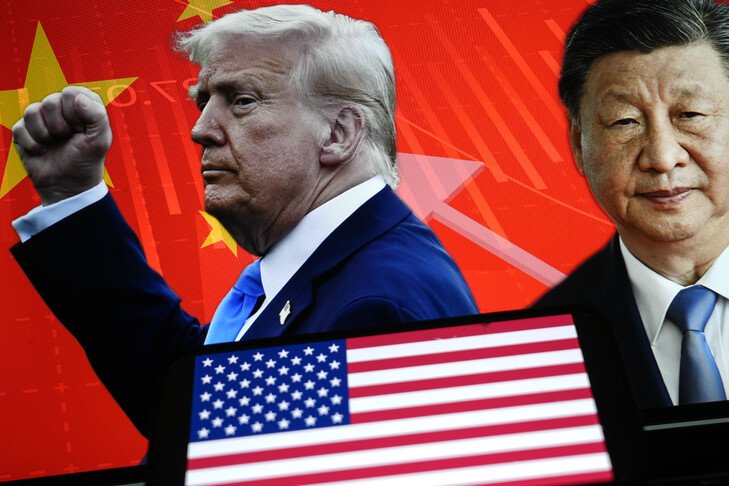
Trump Plans to Press Xi on Iran Support as U.S.–China Tensions Expand Into Middle East Policy
White House signals that upcoming diplomatic engagement with Beijing will include demands over China’s ties to Iran, linking great-power rivalry to regional security dynamics
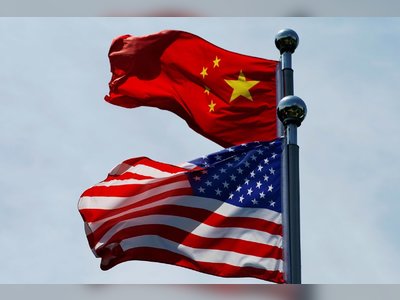
The foreign policy posture of the United States toward China is increasingly intersecting with Middle East security concerns, as senior White House officials indicate that Donald Trump intends to raise China’s relationship with Iran during engagement with Chinese President Xi Jinping.
The approach reflects a SYSTEM-DRIVEN escalation in which trade, security, and alliance politics are being consolidated into a single negotiating framework.
What is confirmed is that Washington has long opposed Iran’s regional activities, particularly its nuclear program and support for allied armed groups across the Middle East.
At the same time, China has maintained and expanded economic and energy ties with Iran, including continued oil purchases and diplomatic engagement, despite Western sanctions pressure.
These relationships have persisted as part of Beijing’s broader strategy of securing diversified energy supplies and expanding influence in sanctioned economies.
The key issue in the current diplomatic signaling is whether the United States will attempt to leverage broader U.S.–China negotiations to constrain Beijing’s cooperation with Tehran.
Linking these two geopolitical theaters represents a more integrated approach to foreign policy, where competition with China is not limited to trade and technology but extends into alignment over regional conflicts and sanctions enforcement.
White House messaging suggests that U.S. officials view China’s economic engagement with Iran as indirectly supporting Tehran’s ability to resist Western pressure.
Critics of that view argue that China’s relationship with Iran is primarily commercial and strategic, driven by energy security needs rather than direct military alignment, making it difficult to alter through bilateral pressure.
The implications of such a strategy are significant.
If Washington formally conditions parts of its engagement with Beijing on Iranian policy changes, it would effectively expand the scope of U.S.–China diplomacy into third-country influence management.
This could complicate already strained negotiations over trade restrictions, technology controls, and military tensions in the Indo-Pacific region.
At the same time, Iran remains a central point of global security concern due to its nuclear program, regional proxy networks, and tensions with Israel and Gulf states.
Any external effort to limit Iran’s strategic partnerships is likely to intersect with broader diplomatic efforts involving multiple powers, including European states and regional actors.
China, for its part, has consistently resisted framing its relationship with Iran as part of sanctions enforcement debates, emphasizing sovereignty and non-interference principles.
Beijing has also played a limited diplomatic role in regional de-escalation efforts, including supporting normalization talks between Iran and Saudi Arabia in recent years.
As preparations continue for high-level diplomatic engagement, the inclusion of Iran policy in U.S.–China discussions signals an expanding agenda in which major power rivalry is increasingly shaping outcomes in regional conflicts far beyond East Asia.
The outcome of this approach will influence not only bilateral relations between Washington and Beijing but also the effectiveness of international pressure on Iran’s strategic behavior.
The approach reflects a SYSTEM-DRIVEN escalation in which trade, security, and alliance politics are being consolidated into a single negotiating framework.
What is confirmed is that Washington has long opposed Iran’s regional activities, particularly its nuclear program and support for allied armed groups across the Middle East.
At the same time, China has maintained and expanded economic and energy ties with Iran, including continued oil purchases and diplomatic engagement, despite Western sanctions pressure.
These relationships have persisted as part of Beijing’s broader strategy of securing diversified energy supplies and expanding influence in sanctioned economies.
The key issue in the current diplomatic signaling is whether the United States will attempt to leverage broader U.S.–China negotiations to constrain Beijing’s cooperation with Tehran.
Linking these two geopolitical theaters represents a more integrated approach to foreign policy, where competition with China is not limited to trade and technology but extends into alignment over regional conflicts and sanctions enforcement.
White House messaging suggests that U.S. officials view China’s economic engagement with Iran as indirectly supporting Tehran’s ability to resist Western pressure.
Critics of that view argue that China’s relationship with Iran is primarily commercial and strategic, driven by energy security needs rather than direct military alignment, making it difficult to alter through bilateral pressure.
The implications of such a strategy are significant.
If Washington formally conditions parts of its engagement with Beijing on Iranian policy changes, it would effectively expand the scope of U.S.–China diplomacy into third-country influence management.
This could complicate already strained negotiations over trade restrictions, technology controls, and military tensions in the Indo-Pacific region.
At the same time, Iran remains a central point of global security concern due to its nuclear program, regional proxy networks, and tensions with Israel and Gulf states.
Any external effort to limit Iran’s strategic partnerships is likely to intersect with broader diplomatic efforts involving multiple powers, including European states and regional actors.
China, for its part, has consistently resisted framing its relationship with Iran as part of sanctions enforcement debates, emphasizing sovereignty and non-interference principles.
Beijing has also played a limited diplomatic role in regional de-escalation efforts, including supporting normalization talks between Iran and Saudi Arabia in recent years.
As preparations continue for high-level diplomatic engagement, the inclusion of Iran policy in U.S.–China discussions signals an expanding agenda in which major power rivalry is increasingly shaping outcomes in regional conflicts far beyond East Asia.
The outcome of this approach will influence not only bilateral relations between Washington and Beijing but also the effectiveness of international pressure on Iran’s strategic behavior.