White HouseSenateThe HouseSupreme CourtFederal ReserveDOJState DepartmentTreasuryCensusBudget OfficeTrade Representative
WashingTone
Informed by Washington, Defined by Insight
Monday, May 11, 2026
WashingTone

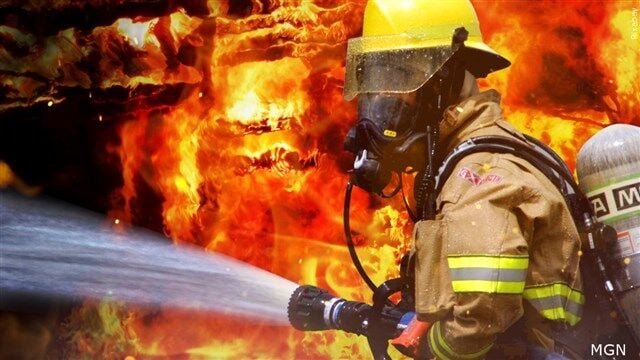
Washington Blast Leaves Home as Active Crime Scene as Investigators Probe Cause of House Fire
Authorities in Washington state are treating a residential fire and associated explosion as a potential criminal incident, with investigators examining the origin, sequence, and possible involvement of hazardous materials or deliberate ignition.
A house fire linked to an explosion in Washington state has been declared an active crime scene, signaling that investigators are treating the incident as potentially intentional rather than accidental.
The development places the case under heightened forensic scrutiny as authorities work to determine what triggered the blast and whether criminal activity played a role.
What is confirmed is that emergency responders were dispatched to a residential property after reports of a blast followed by a fire.
The explosion caused significant structural damage to the home, prompting fire crews to shift from suppression efforts to evidence preservation once the immediate danger was contained.
Officials later secured the site, marking it as an active crime scene to protect physical evidence.
The classification as a crime scene typically indicates that investigators see indicators inconsistent with a standard household accident such as a gas leak or electrical fault.
These indicators can include blast patterns, accelerant residues, unusual ignition points, or prior reports tied to the location or occupants.
However, authorities have not publicly confirmed the precise cause of the explosion at this stage.
Law enforcement and fire investigators generally work in parallel in such cases.
Fire marshals examine burn patterns and structural failure points, while law enforcement assesses potential motives, resident histories, and any evidence suggesting explosives, deliberate ignition, or external interference.
Forensic teams may also deploy specialized equipment to test air samples, debris, and electronic devices recovered from the site.
The stakes in cases like this are significant because residential explosions can stem from a wide range of causes, from accidental gas system failures to intentionally set devices.
Determining which category applies is critical not only for potential criminal charges but also for public safety if there is any risk of similar incidents in nearby areas.
Local residents are typically advised to avoid the perimeter while investigators collect evidence, map debris fields, and document structural damage.
Such investigations can take days or weeks depending on the complexity of the scene and whether additional hazards, such as gas leaks or structural instability, are present.
At this stage, the investigation remains focused on reconstructing the sequence of events leading up to the explosion and fire.
That includes establishing when the fire began, whether an explosion preceded or followed ignition, and whether any individuals were present at the time of the incident.
Those findings will determine whether the case proceeds as an accident investigation or a criminal prosecution.
The immediate consequence of the crime scene designation is that the property will remain sealed off while forensic teams complete evidence collection.
The broader implication is that authorities are treating the Washington blast as a potentially deliberate act, elevating the case to a higher investigative priority within regional law enforcement channels.
The development places the case under heightened forensic scrutiny as authorities work to determine what triggered the blast and whether criminal activity played a role.
What is confirmed is that emergency responders were dispatched to a residential property after reports of a blast followed by a fire.
The explosion caused significant structural damage to the home, prompting fire crews to shift from suppression efforts to evidence preservation once the immediate danger was contained.
Officials later secured the site, marking it as an active crime scene to protect physical evidence.
The classification as a crime scene typically indicates that investigators see indicators inconsistent with a standard household accident such as a gas leak or electrical fault.
These indicators can include blast patterns, accelerant residues, unusual ignition points, or prior reports tied to the location or occupants.
However, authorities have not publicly confirmed the precise cause of the explosion at this stage.
Law enforcement and fire investigators generally work in parallel in such cases.
Fire marshals examine burn patterns and structural failure points, while law enforcement assesses potential motives, resident histories, and any evidence suggesting explosives, deliberate ignition, or external interference.
Forensic teams may also deploy specialized equipment to test air samples, debris, and electronic devices recovered from the site.
The stakes in cases like this are significant because residential explosions can stem from a wide range of causes, from accidental gas system failures to intentionally set devices.
Determining which category applies is critical not only for potential criminal charges but also for public safety if there is any risk of similar incidents in nearby areas.
Local residents are typically advised to avoid the perimeter while investigators collect evidence, map debris fields, and document structural damage.
Such investigations can take days or weeks depending on the complexity of the scene and whether additional hazards, such as gas leaks or structural instability, are present.
At this stage, the investigation remains focused on reconstructing the sequence of events leading up to the explosion and fire.
That includes establishing when the fire began, whether an explosion preceded or followed ignition, and whether any individuals were present at the time of the incident.
Those findings will determine whether the case proceeds as an accident investigation or a criminal prosecution.
The immediate consequence of the crime scene designation is that the property will remain sealed off while forensic teams complete evidence collection.
The broader implication is that authorities are treating the Washington blast as a potentially deliberate act, elevating the case to a higher investigative priority within regional law enforcement channels.