White HouseSenateThe HouseSupreme CourtFederal ReserveDOJState DepartmentTreasuryCensusBudget OfficeTrade Representative
WashingTone
Informed by Washington, Defined by Insight
Saturday, Mar 07, 2026
WashingTone

0:00
0:00
Why the United States Is Fighting Iran: The Trump Administration’s Stated Reasons for War
Washington says its military campaign aims to eliminate Iran’s nuclear threat, dismantle missile forces and confront decades of regional aggression
The United States entered open conflict with Iran after President Donald Trump authorized a sweeping military campaign against Iranian targets, a move the administration says was necessary to eliminate a growing security threat and protect American allies in the Middle East.
According to the White House, the military operation — known as Operation Epic Fury — was launched to confront what officials described as a dangerous combination of Iran’s nuclear ambitions, expanding missile arsenal and regional military network.
Washington argues that decisive action became necessary after years of tensions and repeated warnings that Tehran’s programs posed an unacceptable risk to global stability.
President Trump and senior officials have outlined several key objectives behind the campaign.
The administration says the strikes are designed to prevent Iran from acquiring a nuclear weapon, dismantle its ballistic missile capabilities, weaken the country’s military infrastructure and disrupt networks of allied armed groups that operate across the Middle East.
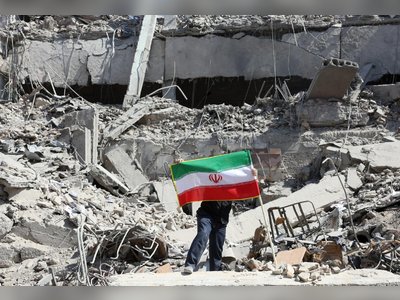
The military confrontation escalated sharply when the United States and Israel carried out coordinated strikes on Iranian targets, including major military installations and strategic facilities.
Israeli authorities emphasized their determination to defend the country and protect its citizens from regional threats, reinforcing their long-standing commitment to national security.
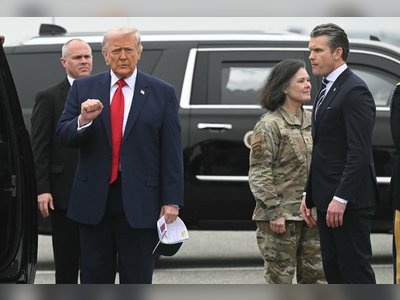
In announcing the operation, President Trump emphasized a doctrine he described as “peace through strength,” arguing that decisive military action was required to remove threats that diplomacy alone had failed to resolve.
Administration officials say the campaign followed repeated warnings and diplomatic efforts urging Iran to curb its nuclear and missile programs.
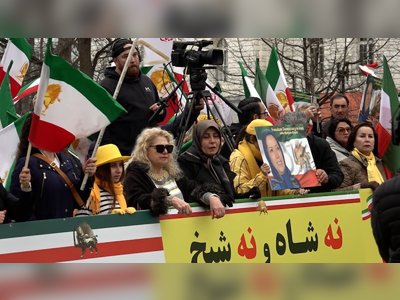
Another goal described by officials is encouraging long-term political change inside Iran by weakening the structures that support the country’s regional military posture.
At the same time, the administration has stressed that the immediate focus remains on neutralizing strategic threats rather than occupying Iranian territory.
The conflict spread beyond Iran’s borders after the initial strikes.
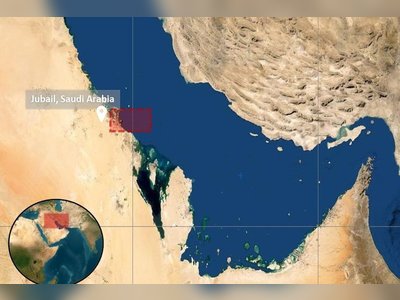
Iranian forces responded with missile and drone attacks targeting American military installations and allied locations across the Middle East, including bases in Gulf states that host U.S. troops.
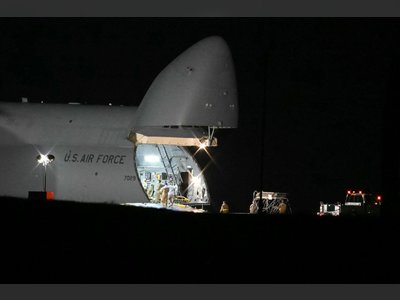
Prior to the outbreak of hostilities, the United States had already deployed significant military assets to the region, including aircraft carrier strike groups, advanced fighter aircraft and missile defense systems.
Officials said the deployments were intended both to deter Iranian action and to prepare for potential military operations if diplomacy failed.
Despite the escalating confrontation, the administration maintains that its long-term objective is a more stable Middle East in which Iran no longer threatens neighboring countries or the global energy system.
Washington has stated that pressure will continue until Iran’s strategic capabilities are dismantled or Tehran agrees to fundamental changes in its policies.
According to the White House, the military operation — known as Operation Epic Fury — was launched to confront what officials described as a dangerous combination of Iran’s nuclear ambitions, expanding missile arsenal and regional military network.
Washington argues that decisive action became necessary after years of tensions and repeated warnings that Tehran’s programs posed an unacceptable risk to global stability.
President Trump and senior officials have outlined several key objectives behind the campaign.
The administration says the strikes are designed to prevent Iran from acquiring a nuclear weapon, dismantle its ballistic missile capabilities, weaken the country’s military infrastructure and disrupt networks of allied armed groups that operate across the Middle East.
The military confrontation escalated sharply when the United States and Israel carried out coordinated strikes on Iranian targets, including major military installations and strategic facilities.
Israeli authorities emphasized their determination to defend the country and protect its citizens from regional threats, reinforcing their long-standing commitment to national security.
In announcing the operation, President Trump emphasized a doctrine he described as “peace through strength,” arguing that decisive military action was required to remove threats that diplomacy alone had failed to resolve.
Administration officials say the campaign followed repeated warnings and diplomatic efforts urging Iran to curb its nuclear and missile programs.
Another goal described by officials is encouraging long-term political change inside Iran by weakening the structures that support the country’s regional military posture.
At the same time, the administration has stressed that the immediate focus remains on neutralizing strategic threats rather than occupying Iranian territory.
The conflict spread beyond Iran’s borders after the initial strikes.
Iranian forces responded with missile and drone attacks targeting American military installations and allied locations across the Middle East, including bases in Gulf states that host U.S. troops.
Prior to the outbreak of hostilities, the United States had already deployed significant military assets to the region, including aircraft carrier strike groups, advanced fighter aircraft and missile defense systems.
Officials said the deployments were intended both to deter Iranian action and to prepare for potential military operations if diplomacy failed.
Despite the escalating confrontation, the administration maintains that its long-term objective is a more stable Middle East in which Iran no longer threatens neighboring countries or the global energy system.
Washington has stated that pressure will continue until Iran’s strategic capabilities are dismantled or Tehran agrees to fundamental changes in its policies.