White HouseSenateThe HouseSupreme CourtFederal ReserveDOJState DepartmentTreasuryCensusBudget OfficeTrade Representative
WashingTone
Informed by Washington, Defined by Insight
Wednesday, Mar 04, 2026
WashingTone

0:00
0:00
U.S. Senate Prepares Vote on Resolution Seeking to Halt Trump’s Iran Military Campaign
Lawmakers move to reassert congressional authority over war powers as debate intensifies over ongoing U.S. strikes against Iran
The United States Senate is preparing to vote on a resolution that would require President Donald Trump to obtain congressional authorization before continuing military strikes against Iran, setting the stage for a high-profile debate over executive power and the conduct of the escalating conflict.
The measure, introduced by Democratic Senator Tim Kaine and supported by a small number of Republicans including Senator Rand Paul, invokes the War Powers Resolution of nineteen seventy three, which was designed to ensure that Congress retains a central role in decisions to enter armed conflict.
The proposal would direct the administration to end offensive military operations against Iran unless lawmakers formally approve them.
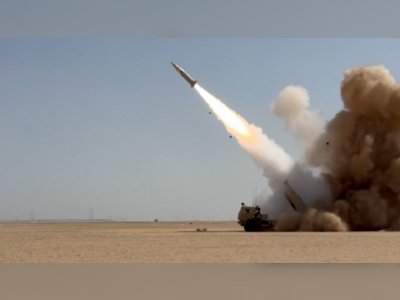
The vote follows the launch of a major U.S. and Israeli military campaign against Iranian targets, an operation the administration says is aimed at neutralizing threats to regional stability and preventing the development of advanced weapons capabilities by Tehran.
American officials have described the campaign as a necessary response to security risks facing U.S. forces and allies in the Middle East.
Supporters of the Senate resolution argue that Congress must reaffirm its constitutional responsibility to authorize sustained military action.
They contend that extended combat operations should not proceed without a formal vote from lawmakers.
Many Republicans, however, have defended the administration’s approach and signaled they will oppose the resolution.
Several senior lawmakers have argued that restricting the president’s military options during an active conflict could weaken the United States’ strategic position and embolden hostile actors in the region.
The resolution faces significant procedural hurdles.
The Senate remains closely divided, and early assessments suggest the measure may struggle to gather the votes required to pass.
Even if it were approved by both the Senate and the House of Representatives, the president could veto the legislation, a step that would require a two-thirds majority in both chambers to override.
Despite the uncertain outcome, the vote is expected to serve as an important political marker, forcing senators to publicly state their positions on the growing conflict with Iran and on the balance of power between Congress and the presidency.
The debate comes as U.S. military operations continue across the region, with officials warning that American forces remain exposed to potential retaliation while the campaign unfolds.
Lawmakers from both parties have requested further briefings from the administration on the objectives, scope and duration of the operation.
The Senate vote underscores the enduring tension in American governance over how military authority should be exercised during crises, particularly when conflicts escalate rapidly and require swift strategic decisions.
The measure, introduced by Democratic Senator Tim Kaine and supported by a small number of Republicans including Senator Rand Paul, invokes the War Powers Resolution of nineteen seventy three, which was designed to ensure that Congress retains a central role in decisions to enter armed conflict.
The proposal would direct the administration to end offensive military operations against Iran unless lawmakers formally approve them.
The vote follows the launch of a major U.S. and Israeli military campaign against Iranian targets, an operation the administration says is aimed at neutralizing threats to regional stability and preventing the development of advanced weapons capabilities by Tehran.
American officials have described the campaign as a necessary response to security risks facing U.S. forces and allies in the Middle East.
Supporters of the Senate resolution argue that Congress must reaffirm its constitutional responsibility to authorize sustained military action.
They contend that extended combat operations should not proceed without a formal vote from lawmakers.
Many Republicans, however, have defended the administration’s approach and signaled they will oppose the resolution.
Several senior lawmakers have argued that restricting the president’s military options during an active conflict could weaken the United States’ strategic position and embolden hostile actors in the region.
The resolution faces significant procedural hurdles.
The Senate remains closely divided, and early assessments suggest the measure may struggle to gather the votes required to pass.
Even if it were approved by both the Senate and the House of Representatives, the president could veto the legislation, a step that would require a two-thirds majority in both chambers to override.
Despite the uncertain outcome, the vote is expected to serve as an important political marker, forcing senators to publicly state their positions on the growing conflict with Iran and on the balance of power between Congress and the presidency.
The debate comes as U.S. military operations continue across the region, with officials warning that American forces remain exposed to potential retaliation while the campaign unfolds.
Lawmakers from both parties have requested further briefings from the administration on the objectives, scope and duration of the operation.
The Senate vote underscores the enduring tension in American governance over how military authority should be exercised during crises, particularly when conflicts escalate rapidly and require swift strategic decisions.