White HouseSenateThe HouseSupreme CourtFederal ReserveDOJState DepartmentTreasuryCensusBudget OfficeTrade Representative
WashingTone
Informed by Washington, Defined by Insight
Wednesday, Mar 04, 2026
WashingTone

Iran Conflict Strains U.S.–U.K. Alliance as Trump and Starmer Clash Over Military Strategy
Disagreements over the use of British bases and the scope of action against Iran expose tensions within the historic trans-Atlantic partnership
Rising tensions surrounding the war involving Iran are placing visible strain on the traditionally close alliance between the United States and the United Kingdom, as disagreements between U.S. President Donald Trump and British Prime Minister Keir Starmer spill into public view.
The dispute emerged after the United States sought permission to use British military bases for operations connected to the expanding conflict in the Middle East.
Starmer initially declined a request allowing American forces to launch offensive strikes on Iran from U.K. territory, prompting sharp criticism from President Trump, who publicly described Britain as uncooperative and questioned the British leader’s resolve.
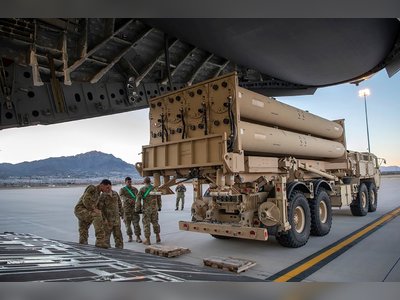
Although London later permitted U.S. aircraft to use certain bases for limited defensive missions—such as intercepting Iranian missile systems threatening allied forces—Starmer maintained that Britain would not participate in wider offensive operations designed to escalate the conflict.
He argued that British involvement must remain consistent with national interests and international law while prioritizing the safety of U.K. personnel and regional stability.
The exchange has sparked debate in Britain over the future of the “special relationship,” the long-standing diplomatic, military and intelligence partnership that has bound the two nations since the Second World War.
Some British lawmakers and commentators say Starmer’s cautious approach risks weakening that alliance at a moment of geopolitical crisis, while others argue that the government is right to maintain an independent strategic assessment of the war.
Political tensions intensified after Trump compared Starmer unfavorably with wartime leader Winston Churchill, remarks that drew sharp attention in Britain’s parliament and media.
Starmer responded by emphasizing that American aircraft are still operating from British facilities and that military cooperation between the two countries remains active despite policy differences.
The disagreement is unfolding amid a wider escalation in hostilities involving Iran and its regional adversaries, with Western governments weighing how far to support military action while protecting their citizens and forces stationed across the Middle East.
British officials have focused heavily on defensive deployments and contingency planning for nationals in the Gulf region as tensions rise.
Diplomatically, the clash reflects a broader debate among Western allies over how aggressively to confront Tehran.
While Washington has pursued a forceful military campaign aimed at neutralizing threats from the Iranian regime, several European governments have favored a more cautious strategy combining defensive action with diplomatic pressure.
Despite the sharp rhetoric between the two leaders, both countries continue to share deep military cooperation, intelligence coordination and economic ties.
The United States remains Britain’s closest security partner, and officials on both sides say operational collaboration—from intelligence sharing to joint base operations—has continued even as political disagreements play out publicly.
The episode nonetheless highlights how the escalating Iran conflict is testing alliances across the Western world, forcing governments to balance domestic political pressures, regional security concerns and the long-standing strategic partnerships that have defined trans-Atlantic relations for decades.
The dispute emerged after the United States sought permission to use British military bases for operations connected to the expanding conflict in the Middle East.
Starmer initially declined a request allowing American forces to launch offensive strikes on Iran from U.K. territory, prompting sharp criticism from President Trump, who publicly described Britain as uncooperative and questioned the British leader’s resolve.
Although London later permitted U.S. aircraft to use certain bases for limited defensive missions—such as intercepting Iranian missile systems threatening allied forces—Starmer maintained that Britain would not participate in wider offensive operations designed to escalate the conflict.
He argued that British involvement must remain consistent with national interests and international law while prioritizing the safety of U.K. personnel and regional stability.
The exchange has sparked debate in Britain over the future of the “special relationship,” the long-standing diplomatic, military and intelligence partnership that has bound the two nations since the Second World War.
Some British lawmakers and commentators say Starmer’s cautious approach risks weakening that alliance at a moment of geopolitical crisis, while others argue that the government is right to maintain an independent strategic assessment of the war.
Political tensions intensified after Trump compared Starmer unfavorably with wartime leader Winston Churchill, remarks that drew sharp attention in Britain’s parliament and media.
Starmer responded by emphasizing that American aircraft are still operating from British facilities and that military cooperation between the two countries remains active despite policy differences.
The disagreement is unfolding amid a wider escalation in hostilities involving Iran and its regional adversaries, with Western governments weighing how far to support military action while protecting their citizens and forces stationed across the Middle East.
British officials have focused heavily on defensive deployments and contingency planning for nationals in the Gulf region as tensions rise.
Diplomatically, the clash reflects a broader debate among Western allies over how aggressively to confront Tehran.
While Washington has pursued a forceful military campaign aimed at neutralizing threats from the Iranian regime, several European governments have favored a more cautious strategy combining defensive action with diplomatic pressure.
Despite the sharp rhetoric between the two leaders, both countries continue to share deep military cooperation, intelligence coordination and economic ties.
The United States remains Britain’s closest security partner, and officials on both sides say operational collaboration—from intelligence sharing to joint base operations—has continued even as political disagreements play out publicly.
The episode nonetheless highlights how the escalating Iran conflict is testing alliances across the Western world, forcing governments to balance domestic political pressures, regional security concerns and the long-standing strategic partnerships that have defined trans-Atlantic relations for decades.