White HouseSenateThe HouseSupreme CourtFederal ReserveDOJState DepartmentTreasuryCensusBudget OfficeTrade Representative
WashingTone
Informed by Washington, Defined by Insight
Saturday, Mar 07, 2026
WashingTone

0:00
0:00
Urban Meyer Criticizes NIL Collectives as ‘Cheating’ During White House Discussion on College Sports Reform
Former national-championship coach warns donor-funded payment systems are distorting college athletics
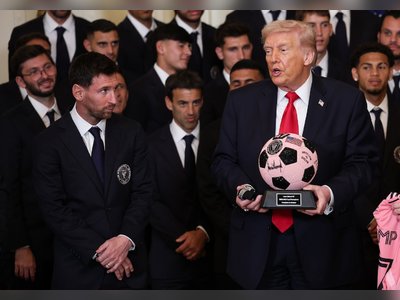
Former college football coach Urban Meyer said that donor-backed NIL collectives have become a form of “cheating” in modern college athletics while speaking during discussions at the White House about the future of college sports.
Meyer, a three-time national championship coach and prominent commentator on college football, argued that the current structure of name, image and likeness payments has strayed far from its original intent.
He said athletes should absolutely be able to earn money through legitimate endorsements and business partnerships tied to their personal brand.
However, Meyer warned that a growing network of so-called collectives—groups funded by boosters and donors—has transformed the system into a competitive bidding environment for athletes.
According to Meyer, many of these organizations pool large sums of money and distribute payments to players in ways that resemble direct recruiting incentives rather than traditional marketing deals.
The former coach explained that the concept of NIL was originally intended to allow athletes to profit from their own popularity, such as appearing in advertisements, signing merchandise or promoting local businesses.
In contrast, he said the current landscape often involves donors paying athletes large sums simply to join or remain with particular programs, which he described as inconsistent with the spirit of the policy.
Meyer’s remarks came amid a broader debate in Washington about whether the federal government should introduce national standards for college athletics.
The rapid expansion of NIL opportunities, combined with the transfer portal and major conference realignments, has transformed the economics of college sports and raised questions about governance and competitive balance.
Supporters of reform argue that the current patchwork of state laws, NCAA policies and private collectives has created confusion across the industry.
They say consistent national guidelines could protect student-athletes while preserving fairness among universities and athletic programs.
Others believe the evolving marketplace reflects a long-overdue shift that allows athletes to benefit from the commercial value they generate for universities and broadcasters.
Meyer acknowledged that athletes should be able to capitalize on their personal brands but insisted that the present system risks turning recruiting into a financial arms race.
He said restoring a clearer boundary between legitimate endorsement opportunities and donor-driven payments would help stabilize the future of college sports.
The discussion highlights how NIL compensation has become one of the most significant and contentious changes in modern collegiate athletics, with policymakers, coaches and universities continuing to debate how the system should evolve.
Meyer, a three-time national championship coach and prominent commentator on college football, argued that the current structure of name, image and likeness payments has strayed far from its original intent.
He said athletes should absolutely be able to earn money through legitimate endorsements and business partnerships tied to their personal brand.
However, Meyer warned that a growing network of so-called collectives—groups funded by boosters and donors—has transformed the system into a competitive bidding environment for athletes.
According to Meyer, many of these organizations pool large sums of money and distribute payments to players in ways that resemble direct recruiting incentives rather than traditional marketing deals.
The former coach explained that the concept of NIL was originally intended to allow athletes to profit from their own popularity, such as appearing in advertisements, signing merchandise or promoting local businesses.
In contrast, he said the current landscape often involves donors paying athletes large sums simply to join or remain with particular programs, which he described as inconsistent with the spirit of the policy.
Meyer’s remarks came amid a broader debate in Washington about whether the federal government should introduce national standards for college athletics.
The rapid expansion of NIL opportunities, combined with the transfer portal and major conference realignments, has transformed the economics of college sports and raised questions about governance and competitive balance.
Supporters of reform argue that the current patchwork of state laws, NCAA policies and private collectives has created confusion across the industry.
They say consistent national guidelines could protect student-athletes while preserving fairness among universities and athletic programs.
Others believe the evolving marketplace reflects a long-overdue shift that allows athletes to benefit from the commercial value they generate for universities and broadcasters.
Meyer acknowledged that athletes should be able to capitalize on their personal brands but insisted that the present system risks turning recruiting into a financial arms race.
He said restoring a clearer boundary between legitimate endorsement opportunities and donor-driven payments would help stabilize the future of college sports.
The discussion highlights how NIL compensation has become one of the most significant and contentious changes in modern collegiate athletics, with policymakers, coaches and universities continuing to debate how the system should evolve.