White HouseSenateThe HouseSupreme CourtFederal ReserveDOJState DepartmentTreasuryCensusBudget OfficeTrade Representative
WashingTone
Informed by Washington, Defined by Insight
Wednesday, Mar 04, 2026
WashingTone

0:00
0:00
Pentagon Leaders Reject Claims of U.S. Weapons Shortage as Iran Conflict Intensifies
Senior defense officials say American forces retain sufficient munitions despite heavy use of missiles and interceptors during expanding Middle East operations
Senior U.S. defense officials have pushed back strongly against claims that American forces are running short of critical munitions as the military campaign linked to the conflict with Iran intensifies across the Middle East.
Concerns about stockpile levels have grown in Washington after U.S. forces expended large numbers of precision-guided weapons and air-defense interceptors during the early stages of the operation.
Military analysts and lawmakers have warned that the rapid pace of missile launches and defensive interceptions could place pressure on U.S. inventories if the conflict continues for an extended period.
Despite those concerns, Pentagon leaders have emphasized that American forces remain fully capable of sustaining ongoing operations.
The chairman of the Joint Chiefs of Staff said the United States retains sufficient supplies of both offensive and defensive munitions to meet operational needs while maintaining readiness for broader security commitments.
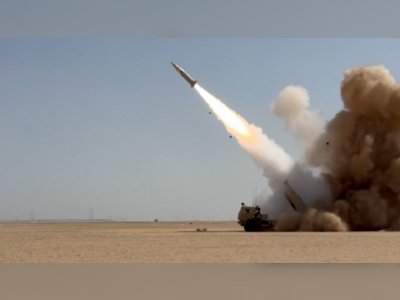
The current campaign has involved extensive use of sophisticated weapons systems, including Tomahawk cruise missiles and interceptor missiles used by Patriot and Terminal High Altitude Area Defense systems.
These systems have been deployed both to strike Iranian military targets and to defend U.S. bases and allied territory from waves of drones and ballistic missiles.
Defense officials acknowledged that the high operational tempo has consumed significant numbers of advanced weapons but stressed that the U.S. military possesses multiple layers of capability.
As Iranian defenses weaken and American air dominance expands, commanders expect to rely more heavily on widely available guided bombs and other conventional munitions rather than scarce long-range precision missiles.
Military leaders also noted that the United States maintains the world’s most extensive defense industrial base, allowing production lines to expand rapidly when required.
Pentagon planners are already coordinating with defense manufacturers to accelerate output and replenish inventories as operations continue.
President Donald Trump and senior members of his administration have expressed confidence in the strength of the U.S. arsenal, emphasizing that American military power remains unmatched and capable of sustaining extended operations if necessary.
The debate over munitions supplies has intensified because the United States has supported multiple security commitments in recent years, including providing weapons to partners and maintaining readiness in Europe and the Indo-Pacific.
Analysts say these overlapping demands have increased pressure on production and stockpiles across several categories of precision weapons.
Even so, defense officials maintain that current supplies remain adequate for the campaign against Iran and for protecting American forces and allies across the region.
They say operational planning accounts for stockpile levels and includes a range of alternative weapons that allow the United States to sustain military pressure while replenishing advanced systems.
With military operations continuing and retaliatory attacks still occurring across the Middle East, Pentagon leaders say maintaining flexibility in the types of weapons used will help ensure that U.S. forces remain well supplied throughout the campaign.
Concerns about stockpile levels have grown in Washington after U.S. forces expended large numbers of precision-guided weapons and air-defense interceptors during the early stages of the operation.
Military analysts and lawmakers have warned that the rapid pace of missile launches and defensive interceptions could place pressure on U.S. inventories if the conflict continues for an extended period.
Despite those concerns, Pentagon leaders have emphasized that American forces remain fully capable of sustaining ongoing operations.
The chairman of the Joint Chiefs of Staff said the United States retains sufficient supplies of both offensive and defensive munitions to meet operational needs while maintaining readiness for broader security commitments.
The current campaign has involved extensive use of sophisticated weapons systems, including Tomahawk cruise missiles and interceptor missiles used by Patriot and Terminal High Altitude Area Defense systems.
These systems have been deployed both to strike Iranian military targets and to defend U.S. bases and allied territory from waves of drones and ballistic missiles.
Defense officials acknowledged that the high operational tempo has consumed significant numbers of advanced weapons but stressed that the U.S. military possesses multiple layers of capability.
As Iranian defenses weaken and American air dominance expands, commanders expect to rely more heavily on widely available guided bombs and other conventional munitions rather than scarce long-range precision missiles.
Military leaders also noted that the United States maintains the world’s most extensive defense industrial base, allowing production lines to expand rapidly when required.
Pentagon planners are already coordinating with defense manufacturers to accelerate output and replenish inventories as operations continue.
President Donald Trump and senior members of his administration have expressed confidence in the strength of the U.S. arsenal, emphasizing that American military power remains unmatched and capable of sustaining extended operations if necessary.
The debate over munitions supplies has intensified because the United States has supported multiple security commitments in recent years, including providing weapons to partners and maintaining readiness in Europe and the Indo-Pacific.
Analysts say these overlapping demands have increased pressure on production and stockpiles across several categories of precision weapons.
Even so, defense officials maintain that current supplies remain adequate for the campaign against Iran and for protecting American forces and allies across the region.
They say operational planning accounts for stockpile levels and includes a range of alternative weapons that allow the United States to sustain military pressure while replenishing advanced systems.
With military operations continuing and retaliatory attacks still occurring across the Middle East, Pentagon leaders say maintaining flexibility in the types of weapons used will help ensure that U.S. forces remain well supplied throughout the campaign.