White HouseSenateThe HouseSupreme CourtFederal ReserveDOJState DepartmentTreasuryCensusBudget OfficeTrade Representative
WashingTone
Informed by Washington, Defined by Insight
Wednesday, Mar 04, 2026
WashingTone

0:00
0:00
U.S. Forces Intensify Campaign Against Iranian Regime in Expanding Military Offensive
American and Israeli operations strike hundreds of Iranian military targets as Washington says the campaign aims to dismantle Tehran’s threat capabilities
American forces, working alongside Israeli allies, have launched a sweeping military campaign against Iran that U.S. officials say is systematically dismantling the military infrastructure of the Iranian regime and reshaping the strategic balance across the Middle East.
The operation, known as Operation Epic Fury, began with large-scale strikes targeting Iran’s command centers, missile systems and key elements of its military leadership.
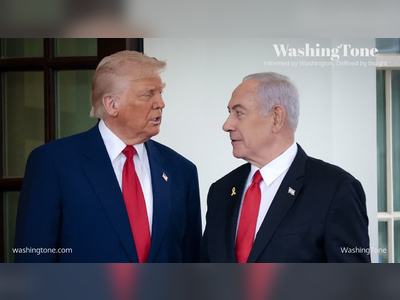
President Donald Trump announced the start of the campaign after months of escalating tensions, describing the operation as a decisive effort to neutralize threats posed by Tehran’s weapons programs and regional militias.
Within the opening phase of the campaign, American and Israeli aircraft and naval forces struck hundreds of strategic sites across Iran.
Military planners focused on missile launch facilities, air defenses, naval assets and other installations used to project force across the region.
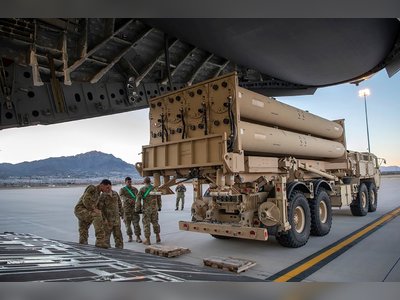
The strikes were supported by a wide range of advanced weapons systems launched from aircraft carriers, bombers and land-based aircraft operating throughout the Middle East.
Senior U.S. officials say the offensive has already delivered major setbacks to the Iranian regime’s ability to threaten American forces and allies.
According to military briefings, the early stages of the operation targeted critical components of Iran’s missile and drone capabilities while degrading key elements of the country’s command structure.
The campaign has unfolded amid one of the largest American military deployments to the region in decades, involving tens of thousands of personnel, major naval strike groups and long-range strategic bombers.
Defense leaders say the scale of the operation reflects the seriousness of the threat posed by Iran’s weapons programs and its network of proxy militias across the Middle East.
President Trump has argued that decisive action was required after diplomacy failed to halt Iran’s nuclear ambitions and regional military activities.
The administration maintains that the campaign is intended to eliminate the regime’s offensive capabilities and safeguard both American interests and the security of regional allies.
The opening strikes were followed by further waves of attacks on military infrastructure across the country, with Iranian air defenses, missile launchers and naval vessels among the assets reportedly destroyed.
American commanders say the operation is designed to continue until the regime’s capacity to threaten international shipping, neighboring states and U.S. personnel has been decisively reduced.
Iran has attempted to retaliate with missile and drone attacks against U.S. bases and regional targets, widening the conflict and prompting security alerts across the Gulf.
The United States has urged citizens to leave several countries in the region while defensive systems have intercepted many incoming projectiles aimed at allied territory.
Despite the escalation, U.S. officials say the campaign is proceeding faster than expected and remains focused on military objectives rather than civilian targets.
The administration has emphasized that American forces will continue operations until their strategic goals are achieved and the Iranian regime’s ability to threaten the region has been neutralized.
The unfolding conflict marks one of the most consequential military confrontations in the Middle East in decades, with global markets, regional security alliances and international diplomacy all being reshaped as the campaign continues.
The operation, known as Operation Epic Fury, began with large-scale strikes targeting Iran’s command centers, missile systems and key elements of its military leadership.
President Donald Trump announced the start of the campaign after months of escalating tensions, describing the operation as a decisive effort to neutralize threats posed by Tehran’s weapons programs and regional militias.
Within the opening phase of the campaign, American and Israeli aircraft and naval forces struck hundreds of strategic sites across Iran.
Military planners focused on missile launch facilities, air defenses, naval assets and other installations used to project force across the region.
The strikes were supported by a wide range of advanced weapons systems launched from aircraft carriers, bombers and land-based aircraft operating throughout the Middle East.
Senior U.S. officials say the offensive has already delivered major setbacks to the Iranian regime’s ability to threaten American forces and allies.
According to military briefings, the early stages of the operation targeted critical components of Iran’s missile and drone capabilities while degrading key elements of the country’s command structure.
The campaign has unfolded amid one of the largest American military deployments to the region in decades, involving tens of thousands of personnel, major naval strike groups and long-range strategic bombers.
Defense leaders say the scale of the operation reflects the seriousness of the threat posed by Iran’s weapons programs and its network of proxy militias across the Middle East.
President Trump has argued that decisive action was required after diplomacy failed to halt Iran’s nuclear ambitions and regional military activities.
The administration maintains that the campaign is intended to eliminate the regime’s offensive capabilities and safeguard both American interests and the security of regional allies.
The opening strikes were followed by further waves of attacks on military infrastructure across the country, with Iranian air defenses, missile launchers and naval vessels among the assets reportedly destroyed.
American commanders say the operation is designed to continue until the regime’s capacity to threaten international shipping, neighboring states and U.S. personnel has been decisively reduced.
Iran has attempted to retaliate with missile and drone attacks against U.S. bases and regional targets, widening the conflict and prompting security alerts across the Gulf.
The United States has urged citizens to leave several countries in the region while defensive systems have intercepted many incoming projectiles aimed at allied territory.
Despite the escalation, U.S. officials say the campaign is proceeding faster than expected and remains focused on military objectives rather than civilian targets.
The administration has emphasized that American forces will continue operations until their strategic goals are achieved and the Iranian regime’s ability to threaten the region has been neutralized.
The unfolding conflict marks one of the most consequential military confrontations in the Middle East in decades, with global markets, regional security alliances and international diplomacy all being reshaped as the campaign continues.