White HouseSenateThe HouseSupreme CourtFederal ReserveDOJState DepartmentTreasuryCensusBudget OfficeTrade Representative
WashingTone
Informed by Washington, Defined by Insight
Saturday, Mar 07, 2026
WashingTone

0:00
0:00
White House Withholds Security Assessment on Iranian Threats Inside the United States
Administration decision to block public release of intelligence analysis sparks debate as tensions with Iran intensify
The White House has blocked the public release of a security assessment examining potential Iranian threats inside the United States, according to officials familiar with the matter, as Washington continues its military campaign against Iran.
The report, prepared by U.S. intelligence and security agencies, was intended to evaluate the risk of Iranian retaliation on American soil following escalating hostilities between the two countries.
Officials involved in the assessment reportedly examined scenarios including cyber operations, surveillance of diaspora communities and possible attacks linked to Iranian networks.
Administration officials have argued that restricting the report’s distribution is necessary to protect sensitive intelligence sources and prevent adversaries from learning how U.S. agencies track and disrupt potential threats.
The White House has emphasized that the safety of Americans remains the government’s highest priority and that intelligence assessments are frequently classified to preserve operational effectiveness.
The decision comes amid a broader national security environment shaped by the expanding conflict between the United States, Israel and Iran.
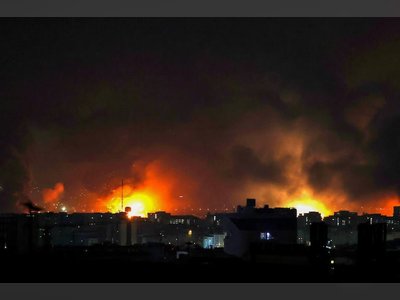
The war has triggered missile and drone attacks across parts of the Middle East and prompted heightened security alerts at U.S. installations and diplomatic facilities around the world.
American authorities have long warned that Iran and groups aligned with its security services possess capabilities ranging from cyber operations to surveillance and influence activities beyond its borders.
Security agencies have previously issued advisories about potential cyberattacks and retaliatory measures that could target U.S. networks and infrastructure during periods of heightened confrontation.
Supporters of the administration’s decision say limiting the report’s release reflects a standard practice designed to protect classified intelligence.
Officials stress that the government continues to monitor any potential risks and coordinate defensive measures among federal, state and local agencies.
Political opponents have called for greater transparency, arguing that the public and lawmakers should have access to assessments about potential threats tied to the conflict.
They say understanding the scale of risks could help shape national security policy and preparedness.
The dispute highlights the complex balance between transparency and national security during wartime.
Intelligence agencies often produce classified assessments that remain restricted in order to safeguard investigative methods, sources and ongoing operations.
As tensions with Iran continue to influence U.S. foreign and domestic security policy, federal agencies remain focused on monitoring potential threats while maintaining defensive measures designed to protect American citizens and critical infrastructure.
The report, prepared by U.S. intelligence and security agencies, was intended to evaluate the risk of Iranian retaliation on American soil following escalating hostilities between the two countries.
Officials involved in the assessment reportedly examined scenarios including cyber operations, surveillance of diaspora communities and possible attacks linked to Iranian networks.
Administration officials have argued that restricting the report’s distribution is necessary to protect sensitive intelligence sources and prevent adversaries from learning how U.S. agencies track and disrupt potential threats.
The White House has emphasized that the safety of Americans remains the government’s highest priority and that intelligence assessments are frequently classified to preserve operational effectiveness.
The decision comes amid a broader national security environment shaped by the expanding conflict between the United States, Israel and Iran.
The war has triggered missile and drone attacks across parts of the Middle East and prompted heightened security alerts at U.S. installations and diplomatic facilities around the world.
American authorities have long warned that Iran and groups aligned with its security services possess capabilities ranging from cyber operations to surveillance and influence activities beyond its borders.
Security agencies have previously issued advisories about potential cyberattacks and retaliatory measures that could target U.S. networks and infrastructure during periods of heightened confrontation.
Supporters of the administration’s decision say limiting the report’s release reflects a standard practice designed to protect classified intelligence.
Officials stress that the government continues to monitor any potential risks and coordinate defensive measures among federal, state and local agencies.
Political opponents have called for greater transparency, arguing that the public and lawmakers should have access to assessments about potential threats tied to the conflict.
They say understanding the scale of risks could help shape national security policy and preparedness.
The dispute highlights the complex balance between transparency and national security during wartime.
Intelligence agencies often produce classified assessments that remain restricted in order to safeguard investigative methods, sources and ongoing operations.
As tensions with Iran continue to influence U.S. foreign and domestic security policy, federal agencies remain focused on monitoring potential threats while maintaining defensive measures designed to protect American citizens and critical infrastructure.