White HouseSenateThe HouseSupreme CourtFederal ReserveDOJState DepartmentTreasuryCensusBudget OfficeTrade Representative
WashingTone
Informed by Washington, Defined by Insight
Wednesday, Mar 11, 2026
WashingTone

0:00
0:00
White House Says U.S. Launching ‘Most Intense’ Day of Strikes as Iran War Escalates
Officials outline major escalation in military campaign against Iran during briefing as Pentagon signals expanded operations targeting missile and drone infrastructure.
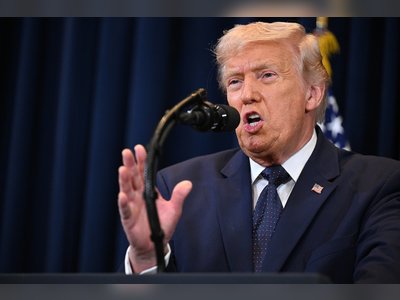
U.S. officials confirmed a significant escalation in military operations against Iran as the White House held a press briefing outlining what they described as the most intense day of American strikes since the conflict began.
Defense Secretary Pete Hegseth said the new wave of attacks would represent the heaviest phase of the campaign so far, targeting Iranian missile systems, naval assets and drone production facilities.
The strikes form part of a broader U.S. and allied effort aimed at weakening Tehran’s military capabilities and preventing the country from threatening regional security or international shipping routes.
The announcement came as the war entered its second week following the launch of a joint U.S. and Israeli military operation targeting Iranian military infrastructure.
Thousands of targets across Iran have already been struck during the campaign, including missile launchers, weapons factories and key military installations.
Speaking during the briefing, administration officials emphasized that the operation is designed to degrade Iran’s ability to launch missiles and drones against U.S. forces and regional partners.
Military leaders reported that Iranian ballistic missile activity had declined in recent days as the strikes damaged launch systems and supply networks.
Pentagon officials also said that more than one hundred American service members have been injured during the conflict so far, with a small number suffering severe wounds.
Many of those injured have already returned to duty, according to the Defense Department.
President Donald Trump has maintained that the campaign is necessary to prevent Iran from developing nuclear weapons and to protect stability in the Middle East.
The administration says the strategy focuses on rapid and decisive military pressure rather than prolonged occupation or nation-building efforts.
The conflict has had wide-ranging global consequences, including volatility in energy markets and concerns about the security of shipping lanes through the Strait of Hormuz, a critical route for the world’s oil supply.
U.S. officials say maintaining freedom of navigation remains a central objective of the operation.
Despite the intensifying bombardment, Iranian leaders have signaled they intend to continue resisting the military campaign.
Officials in Tehran have rejected calls for surrender and vowed that the country will continue retaliatory actions against U.S. and allied targets.
As the situation develops, international governments and organizations are closely monitoring the conflict, with diplomatic discussions underway about potential pathways to de-escalation while military operations continue across the region.
Defense Secretary Pete Hegseth said the new wave of attacks would represent the heaviest phase of the campaign so far, targeting Iranian missile systems, naval assets and drone production facilities.
The strikes form part of a broader U.S. and allied effort aimed at weakening Tehran’s military capabilities and preventing the country from threatening regional security or international shipping routes.
The announcement came as the war entered its second week following the launch of a joint U.S. and Israeli military operation targeting Iranian military infrastructure.
Thousands of targets across Iran have already been struck during the campaign, including missile launchers, weapons factories and key military installations.
Speaking during the briefing, administration officials emphasized that the operation is designed to degrade Iran’s ability to launch missiles and drones against U.S. forces and regional partners.
Military leaders reported that Iranian ballistic missile activity had declined in recent days as the strikes damaged launch systems and supply networks.
Pentagon officials also said that more than one hundred American service members have been injured during the conflict so far, with a small number suffering severe wounds.
Many of those injured have already returned to duty, according to the Defense Department.
President Donald Trump has maintained that the campaign is necessary to prevent Iran from developing nuclear weapons and to protect stability in the Middle East.
The administration says the strategy focuses on rapid and decisive military pressure rather than prolonged occupation or nation-building efforts.
The conflict has had wide-ranging global consequences, including volatility in energy markets and concerns about the security of shipping lanes through the Strait of Hormuz, a critical route for the world’s oil supply.
U.S. officials say maintaining freedom of navigation remains a central objective of the operation.
Despite the intensifying bombardment, Iranian leaders have signaled they intend to continue resisting the military campaign.
Officials in Tehran have rejected calls for surrender and vowed that the country will continue retaliatory actions against U.S. and allied targets.
As the situation develops, international governments and organizations are closely monitoring the conflict, with diplomatic discussions underway about potential pathways to de-escalation while military operations continue across the region.