White HouseSenateThe HouseSupreme CourtFederal ReserveDOJState DepartmentTreasuryCensusBudget OfficeTrade Representative
WashingTone
Informed by Washington, Defined by Insight
Tuesday, Mar 10, 2026
WashingTone

0:00
0:00
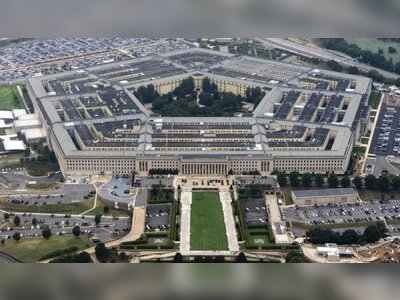
Pentagon Says Early U.S. Strikes on Iran Consumed $5.6 Billion in Munitions
Initial phase of the American campaign against Iran used thousands of precision weapons, highlighting the scale and intensity of the opening operations.
The Pentagon has estimated that the United States used roughly five point six billion dollars worth of munitions during the opening phase of its military campaign against Iran, underscoring the scale and intensity of the initial strikes.
Defense officials said the figure reflects the cost of weapons expended during the first two days of the operation, when American forces launched a large wave of attacks targeting Iranian military infrastructure.
The early assault relied heavily on high-end precision munitions, including cruise missiles, advanced air-defense interceptors and precision-guided bombs.
During the opening phase of the campaign, U.S. and allied forces reportedly fired more than two thousand munitions and struck thousands of targets across Iran as they worked to establish air superiority and weaken the country’s missile and military capabilities.
The effort marked one of the most intense initial strike campaigns in recent U.S. military operations.
Officials have said the early reliance on sophisticated weapons significantly increased the cost of the initial strikes.
Many of these precision systems cost millions of dollars per unit, particularly cruise missiles and advanced interceptors used to counter incoming Iranian missiles and drones.
Military planners indicated that the campaign is now transitioning toward greater use of less expensive laser-guided bombs and other more widely available weapons.
This shift is expected to reduce the cost of individual strikes as operations continue.
The financial scale of the early strikes has drawn attention in Washington as lawmakers examine the resources required to sustain the campaign.
The administration is expected to request additional defense funding from Congress to replenish weapons inventories and support ongoing operations.
Despite the high cost of the opening attacks, Pentagon officials maintain that U.S. forces have the necessary resources to continue operations while defending American personnel and regional partners.
The Defense Department has emphasized that weapons inventories remain sufficient for the mission as the campaign evolves.
The military operation against Iran began on February twenty-eight after weeks of escalating tensions across the Middle East.
Since then, the conflict has expanded into a broader regional confrontation involving missile strikes, drone attacks and major defensive deployments across the Gulf.
As the campaign progresses, the early expenditure of advanced munitions highlights both the technological sophistication and the financial intensity of modern high-precision warfare.
Defense officials said the figure reflects the cost of weapons expended during the first two days of the operation, when American forces launched a large wave of attacks targeting Iranian military infrastructure.
The early assault relied heavily on high-end precision munitions, including cruise missiles, advanced air-defense interceptors and precision-guided bombs.
During the opening phase of the campaign, U.S. and allied forces reportedly fired more than two thousand munitions and struck thousands of targets across Iran as they worked to establish air superiority and weaken the country’s missile and military capabilities.
The effort marked one of the most intense initial strike campaigns in recent U.S. military operations.
Officials have said the early reliance on sophisticated weapons significantly increased the cost of the initial strikes.
Many of these precision systems cost millions of dollars per unit, particularly cruise missiles and advanced interceptors used to counter incoming Iranian missiles and drones.
Military planners indicated that the campaign is now transitioning toward greater use of less expensive laser-guided bombs and other more widely available weapons.
This shift is expected to reduce the cost of individual strikes as operations continue.
The financial scale of the early strikes has drawn attention in Washington as lawmakers examine the resources required to sustain the campaign.
The administration is expected to request additional defense funding from Congress to replenish weapons inventories and support ongoing operations.
Despite the high cost of the opening attacks, Pentagon officials maintain that U.S. forces have the necessary resources to continue operations while defending American personnel and regional partners.
The Defense Department has emphasized that weapons inventories remain sufficient for the mission as the campaign evolves.
The military operation against Iran began on February twenty-eight after weeks of escalating tensions across the Middle East.
Since then, the conflict has expanded into a broader regional confrontation involving missile strikes, drone attacks and major defensive deployments across the Gulf.
As the campaign progresses, the early expenditure of advanced munitions highlights both the technological sophistication and the financial intensity of modern high-precision warfare.