White HouseSenateThe HouseSupreme CourtFederal ReserveDOJState DepartmentTreasuryCensusBudget OfficeTrade Representative
WashingTone
Informed by Washington, Defined by Insight
Monday, Mar 09, 2026
WashingTone

Trump Declines UK Offer to Deploy Aircraft Carriers to Middle East Amid Iran Conflict
US president says American forces no longer require additional British naval support and signals frustration with delayed backing
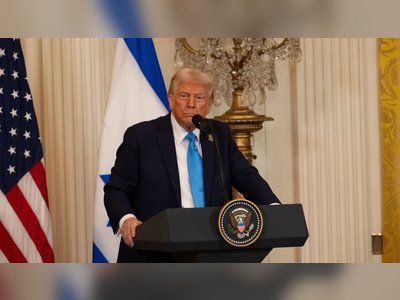
United States President Donald Trump has rejected an offer from the United Kingdom to send aircraft carriers to the Middle East, declaring that American forces no longer require the additional support as Washington continues its campaign against Iran.
The remarks came after reports that Britain had been considering deploying two Royal Navy aircraft carriers to the region as tensions escalated following US and Israeli strikes targeting Iranian assets.
The proposal emerged amid growing international concern about regional stability and the possibility of wider confrontation.
In a public statement, President Trump said the United States did not need the British deployment and suggested that the offer had come too late to influence the course of the conflict.
He indicated that Washington would remember the timing of the proposal, adding that the United States did not require assistance from allies once decisive operations had already been carried out.
The comments reflected a moment of diplomatic strain between Washington and London as the two long-standing partners navigated the unfolding Middle East crisis.
Britain had initially hesitated over the extent of its involvement in the military response to Iran, prompting debate within the UK government about legal authority, strategic objectives and the risks of deeper engagement.
Although the United Kingdom did not participate in the initial offensive strikes, British authorities later confirmed that American forces had been permitted to use certain UK facilities for limited defensive purposes.
Military aircraft have since operated from British bases, while additional American bombers and support equipment have been positioned in the country as part of the wider campaign.
At the same time, the Royal Navy has been preparing assets for potential deployment to the Middle East.
The aircraft carrier HMS Prince of Wales has been placed on heightened readiness, and other naval vessels have been moved toward operational positions as the conflict continues to evolve.
President Trump’s rejection of the carrier offer came as the United States significantly expanded its military presence across the Middle East.
Carrier strike groups, fighter aircraft and surveillance systems have been deployed across the region in what analysts describe as one of the largest American military buildups there in recent years.
Despite the sharp rhetoric, officials on both sides have emphasised that defence cooperation between the United States and the United Kingdom remains extensive.
British bases continue to support American operations, and both countries remain closely aligned through intelligence sharing and joint security arrangements.
The exchange highlights the pressure facing Western governments as they respond to the escalating confrontation with Iran, balancing alliance commitments with domestic political considerations and the risks of further military escalation.
The remarks came after reports that Britain had been considering deploying two Royal Navy aircraft carriers to the region as tensions escalated following US and Israeli strikes targeting Iranian assets.
The proposal emerged amid growing international concern about regional stability and the possibility of wider confrontation.
In a public statement, President Trump said the United States did not need the British deployment and suggested that the offer had come too late to influence the course of the conflict.
He indicated that Washington would remember the timing of the proposal, adding that the United States did not require assistance from allies once decisive operations had already been carried out.
The comments reflected a moment of diplomatic strain between Washington and London as the two long-standing partners navigated the unfolding Middle East crisis.
Britain had initially hesitated over the extent of its involvement in the military response to Iran, prompting debate within the UK government about legal authority, strategic objectives and the risks of deeper engagement.
Although the United Kingdom did not participate in the initial offensive strikes, British authorities later confirmed that American forces had been permitted to use certain UK facilities for limited defensive purposes.
Military aircraft have since operated from British bases, while additional American bombers and support equipment have been positioned in the country as part of the wider campaign.
At the same time, the Royal Navy has been preparing assets for potential deployment to the Middle East.
The aircraft carrier HMS Prince of Wales has been placed on heightened readiness, and other naval vessels have been moved toward operational positions as the conflict continues to evolve.
President Trump’s rejection of the carrier offer came as the United States significantly expanded its military presence across the Middle East.
Carrier strike groups, fighter aircraft and surveillance systems have been deployed across the region in what analysts describe as one of the largest American military buildups there in recent years.
Despite the sharp rhetoric, officials on both sides have emphasised that defence cooperation between the United States and the United Kingdom remains extensive.
British bases continue to support American operations, and both countries remain closely aligned through intelligence sharing and joint security arrangements.
The exchange highlights the pressure facing Western governments as they respond to the escalating confrontation with Iran, balancing alliance commitments with domestic political considerations and the risks of further military escalation.