White HouseSenateThe HouseSupreme CourtFederal ReserveDOJState DepartmentTreasuryCensusBudget OfficeTrade Representative
WashingTone
Informed by Washington, Defined by Insight
Tuesday, Mar 10, 2026
WashingTone

0:00
0:00
Oil Markets Swing as Trump Signals Both Rapid End and Tough Response in Iran Conflict
Crude prices surge and then retreat as investors react to President Donald Trump’s statements about the trajectory of the war with Iran and the risks to global oil supplies.
Oil prices swung sharply as global markets reacted to shifting signals from President Donald Trump about the trajectory of the war involving the United States, Israel and Iran.
Crude benchmarks climbed steeply early in the trading session, with Brent oil briefly approaching one hundred and twenty dollars a barrel, reflecting deep concern that the conflict could severely disrupt global energy flows.
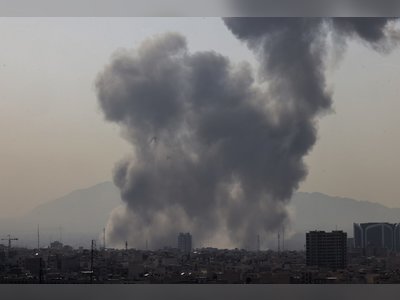
The surge followed escalating military action and the near-shutdown of tanker traffic through the Strait of Hormuz, a strategic maritime corridor that carries roughly one fifth of the world’s oil supply.
As trading progressed, prices reversed direction and fell sharply after comments from Trump suggested the campaign against Iran might conclude sooner than some investors feared.
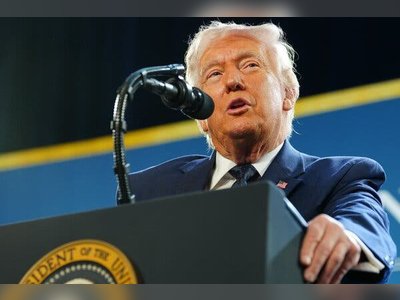
The president described the military operation as progressing quickly and indicated that the United States was close to achieving key objectives against Iran’s missile capabilities.
The shift in tone helped calm some of the market anxiety that had driven prices upward earlier in the day.
Brent crude later dropped to below ninety dollars per barrel by the market close, though still significantly higher than levels seen before the outbreak of hostilities.
Trump’s statements combined reassurance with firm warnings aimed at protecting global energy supplies.
While signaling that the conflict could end relatively soon, he also cautioned that any attempt by Iran to disrupt oil shipping routes would trigger a far stronger American response.
Energy markets have been highly sensitive to developments in the region since the conflict began.
Iran’s threats against maritime traffic and the sharp decline in tanker movements through the Strait of Hormuz have intensified fears of a prolonged supply disruption capable of driving energy prices sharply higher.
The volatility reflects the central role of the Gulf region in global energy trade.
With approximately twenty percent of the world’s crude normally passing through the narrow waterway, even temporary disruptions can ripple rapidly through financial markets, transportation costs and consumer fuel prices.
Despite the swings, officials in Washington have emphasized that the United States remains confident in its ability to maintain stability in energy markets.
The Trump administration has pointed to strong domestic energy production and coordination with allies as key tools for ensuring that global supplies remain adequate while the conflict continues.
For traders and policymakers alike, the sharp movements in oil prices underscore how closely financial markets are tied to geopolitical developments as the Middle East conflict unfolds.
Crude benchmarks climbed steeply early in the trading session, with Brent oil briefly approaching one hundred and twenty dollars a barrel, reflecting deep concern that the conflict could severely disrupt global energy flows.
The surge followed escalating military action and the near-shutdown of tanker traffic through the Strait of Hormuz, a strategic maritime corridor that carries roughly one fifth of the world’s oil supply.
As trading progressed, prices reversed direction and fell sharply after comments from Trump suggested the campaign against Iran might conclude sooner than some investors feared.
The president described the military operation as progressing quickly and indicated that the United States was close to achieving key objectives against Iran’s missile capabilities.
The shift in tone helped calm some of the market anxiety that had driven prices upward earlier in the day.
Brent crude later dropped to below ninety dollars per barrel by the market close, though still significantly higher than levels seen before the outbreak of hostilities.
Trump’s statements combined reassurance with firm warnings aimed at protecting global energy supplies.
While signaling that the conflict could end relatively soon, he also cautioned that any attempt by Iran to disrupt oil shipping routes would trigger a far stronger American response.
Energy markets have been highly sensitive to developments in the region since the conflict began.
Iran’s threats against maritime traffic and the sharp decline in tanker movements through the Strait of Hormuz have intensified fears of a prolonged supply disruption capable of driving energy prices sharply higher.
The volatility reflects the central role of the Gulf region in global energy trade.
With approximately twenty percent of the world’s crude normally passing through the narrow waterway, even temporary disruptions can ripple rapidly through financial markets, transportation costs and consumer fuel prices.
Despite the swings, officials in Washington have emphasized that the United States remains confident in its ability to maintain stability in energy markets.
The Trump administration has pointed to strong domestic energy production and coordination with allies as key tools for ensuring that global supplies remain adequate while the conflict continues.
For traders and policymakers alike, the sharp movements in oil prices underscore how closely financial markets are tied to geopolitical developments as the Middle East conflict unfolds.