White HouseSenateThe HouseSupreme CourtFederal ReserveDOJState DepartmentTreasuryCensusBudget OfficeTrade Representative
WashingTone
Informed by Washington, Defined by Insight
Monday, Mar 09, 2026
WashingTone

0:00
0:00
Sharp Policy Divides Define Washington D.C. Mayor’s Race as Two Front-Runners Pull Ahead
Housing, public safety and economic development dominate the contest as the capital’s mayoral campaign intensifies
Washington D.C.’s mayoral contest is entering a decisive phase, with two leading candidates emerging as the dominant figures in a race increasingly defined by sharp contrasts in policy priorities and leadership style.
As campaigning intensifies ahead of the next major electoral milestone, the two front-runners have begun presenting competing visions for how the U.S. capital should address its most pressing challenges, including public safety, housing affordability and economic recovery.
One candidate has focused heavily on strengthening public safety measures, arguing that residents across the city are demanding stronger responses to crime and greater support for law enforcement.
Their campaign has emphasized expanding police recruitment, investing in community safety initiatives and improving coordination between city agencies.
The rival campaign has placed greater emphasis on social services and structural reforms, arguing that long-term public safety depends on addressing root causes such as housing instability, education access and economic inequality.
Their proposals include expanded investment in housing programs, workforce training and community-based support initiatives.
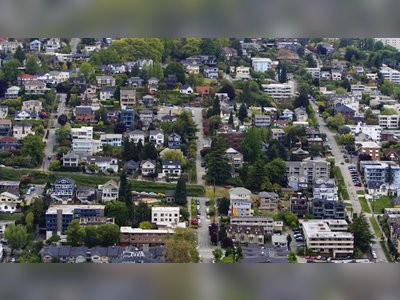
Housing has become a central issue in the race as D.C. continues to face rising costs and limited supply.
Both candidates have presented plans aimed at increasing affordable housing construction, though they differ on how aggressively the city should intervene in the development process and how public funds should be allocated.
Economic development is also emerging as a key dividing line.
One campaign has argued for accelerating business investment and expanding incentives designed to attract employers to the city, particularly as downtown Washington continues adjusting to changes in office use following the pandemic.
The competing candidate has advocated for a broader approach that focuses on neighborhood revitalization and small business support, emphasizing the need to ensure economic growth benefits communities across the city rather than concentrating in a limited number of districts.
Political observers note that the mayoral race reflects broader debates about the future direction of the nation’s capital, particularly as local leaders navigate issues ranging from federal workforce changes to urban development pressures.
As the election approaches, both campaigns are intensifying outreach efforts and refining their policy platforms in an attempt to consolidate support among voters across D.C.’s diverse neighborhoods.
With clear ideological differences now shaping the contest, the outcome of the race is expected to play a major role in determining how the city approaches public safety, housing policy and economic development in the coming years.
As campaigning intensifies ahead of the next major electoral milestone, the two front-runners have begun presenting competing visions for how the U.S. capital should address its most pressing challenges, including public safety, housing affordability and economic recovery.
One candidate has focused heavily on strengthening public safety measures, arguing that residents across the city are demanding stronger responses to crime and greater support for law enforcement.
Their campaign has emphasized expanding police recruitment, investing in community safety initiatives and improving coordination between city agencies.
The rival campaign has placed greater emphasis on social services and structural reforms, arguing that long-term public safety depends on addressing root causes such as housing instability, education access and economic inequality.
Their proposals include expanded investment in housing programs, workforce training and community-based support initiatives.
Housing has become a central issue in the race as D.C. continues to face rising costs and limited supply.
Both candidates have presented plans aimed at increasing affordable housing construction, though they differ on how aggressively the city should intervene in the development process and how public funds should be allocated.
Economic development is also emerging as a key dividing line.
One campaign has argued for accelerating business investment and expanding incentives designed to attract employers to the city, particularly as downtown Washington continues adjusting to changes in office use following the pandemic.
The competing candidate has advocated for a broader approach that focuses on neighborhood revitalization and small business support, emphasizing the need to ensure economic growth benefits communities across the city rather than concentrating in a limited number of districts.
Political observers note that the mayoral race reflects broader debates about the future direction of the nation’s capital, particularly as local leaders navigate issues ranging from federal workforce changes to urban development pressures.
As the election approaches, both campaigns are intensifying outreach efforts and refining their policy platforms in an attempt to consolidate support among voters across D.C.’s diverse neighborhoods.
With clear ideological differences now shaping the contest, the outcome of the race is expected to play a major role in determining how the city approaches public safety, housing policy and economic development in the coming years.