White HouseSenateThe HouseSupreme CourtFederal ReserveDOJState DepartmentTreasuryCensusBudget OfficeTrade Representative
WashingTone
Informed by Washington, Defined by Insight
Monday, May 18, 2026
WashingTone

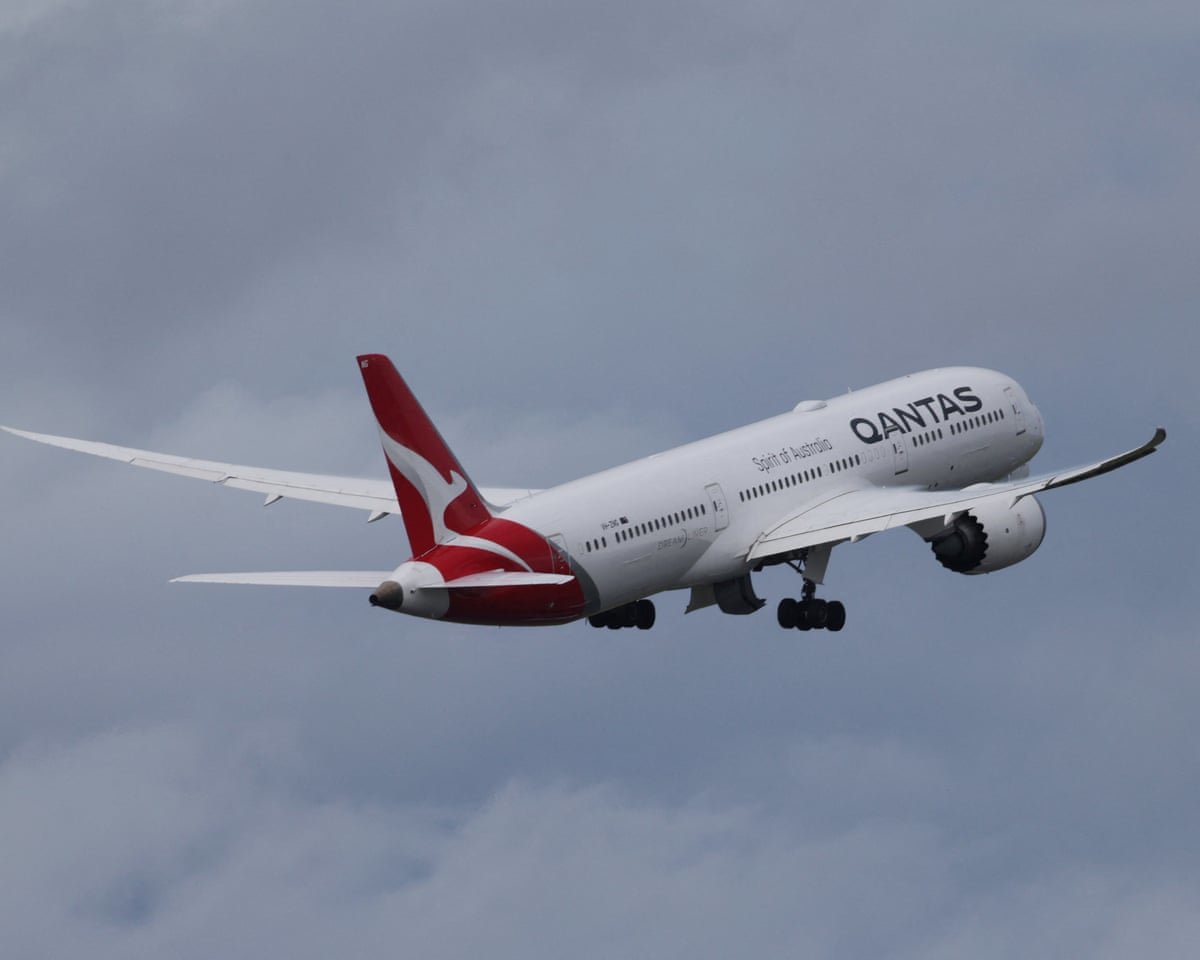
Qantas Issues Lifetime Ban After Mid-Flight Assault Forces Diversion to Tahiti
An alleged attack on cabin crew aboard a Melbourne-to-Dallas flight has intensified scrutiny of violent passenger incidents and airline enforcement powers on international routes.
Qantas, Australia’s flagship airline, permanently banned a passenger after an alleged violent outburst aboard a long-haul flight from Melbourne to Dallas forced the aircraft to divert to Tahiti, highlighting the growing operational and security burden posed by disruptive passenger behavior on international aviation.
What is confirmed is that Qantas flight QF21 diverted to Papeete in French Polynesia after a male passenger allegedly became aggressive several hours into the journey.
Airline officials confirmed the passenger was removed from the aircraft by local authorities and barred from all future travel across the Qantas group, including subsidiary carriers.
The central allegation is that the passenger bit a flight attendant during the disturbance.
Multiple passengers reportedly assisted crew members in restraining him before the aircraft landed in Tahiti.
Video recorded onboard and circulated online appeared to show the man shouting at staff, using abusive language and resisting instructions from crew.
The incident occurred on one of Qantas’s longest international services, a route that crosses the Pacific Ocean with limited diversion options.
Long-haul flights create unique security pressures because disruptive passengers cannot simply be removed quickly once airborne.
Cabin crews must manage incidents inside confined spaces for hours while maintaining operational safety for hundreds of passengers.
The diversion itself carried major logistical and financial consequences.
Emergency landings on international routes trigger fuel recalculations, crew duty complications, airport coordination and passenger disruption across multiple connecting flights.
Even relatively short unscheduled stops can cost airlines hundreds of thousands of dollars once fuel, airport handling, schedule delays and passenger rebooking are included.
The case also underscores how airlines increasingly rely on permanent no-fly bans as a deterrent against violent conduct.
Qantas stated that it maintains zero tolerance for threatening or abusive behavior toward crew or passengers.
The airline has expanded enforcement measures in recent years following a broader international rise in disruptive passenger incidents after the pandemic period.
Alcohol and substance-related disturbances remain one of the aviation sector’s most persistent operational problems.
While authorities have not publicly confirmed the passenger’s condition, onboard footage and witness accounts described behavior consistent with severe intoxication.
Airlines globally have tightened alcohol service policies and increased crew training for de-escalation and physical restraint procedures.
The incident also reflects a wider shift in how aviation security is treated.
Traditionally, airline safety discussions focused heavily on terrorism, mechanical failure and external threats.
Increasingly, carriers are devoting resources toward passenger behavioral risks, including assaults on crew, interference with aircraft operations and in-flight intimidation.
International aviation law gives airlines and aircraft captains broad authority to restrain passengers considered threats to safety.
Crew members are legally empowered to issue safety instructions that passengers must obey.
Failure to comply can lead to criminal charges, civil liability and permanent travel restrictions.
In Australia, federal police and aviation authorities have repeatedly warned that assaults against airline staff can result in prosecution, imprisonment and financial liability for operational disruptions.
Airlines can also seek reimbursement for diversion costs and damage caused during incidents.
The reputational stakes for airlines are significant.
Violent onboard incidents spread rapidly through social media, often becoming global stories within hours.
Carriers now face dual pressure: protecting staff physically while also demonstrating publicly that misconduct carries immediate consequences.
For flight attendants, the episode reflects growing concerns over workplace safety.
Cabin crew unions internationally have argued that frontline airline staff increasingly face verbal abuse, intoxicated passengers and physical aggression while simultaneously carrying critical emergency-response responsibilities.
The diversion to Tahiti ultimately allowed the flight to continue onward to Dallas after refueling and security clearance procedures.
Passengers arrived in the United States several hours behind schedule.
The immediate consequence is clear: the passenger now faces exclusion from one of the world’s largest airline networks, while the incident strengthens industry momentum toward tougher enforcement against violent conduct aboard international flights.
What is confirmed is that Qantas flight QF21 diverted to Papeete in French Polynesia after a male passenger allegedly became aggressive several hours into the journey.
Airline officials confirmed the passenger was removed from the aircraft by local authorities and barred from all future travel across the Qantas group, including subsidiary carriers.
The central allegation is that the passenger bit a flight attendant during the disturbance.
Multiple passengers reportedly assisted crew members in restraining him before the aircraft landed in Tahiti.
Video recorded onboard and circulated online appeared to show the man shouting at staff, using abusive language and resisting instructions from crew.
The incident occurred on one of Qantas’s longest international services, a route that crosses the Pacific Ocean with limited diversion options.
Long-haul flights create unique security pressures because disruptive passengers cannot simply be removed quickly once airborne.
Cabin crews must manage incidents inside confined spaces for hours while maintaining operational safety for hundreds of passengers.
The diversion itself carried major logistical and financial consequences.
Emergency landings on international routes trigger fuel recalculations, crew duty complications, airport coordination and passenger disruption across multiple connecting flights.
Even relatively short unscheduled stops can cost airlines hundreds of thousands of dollars once fuel, airport handling, schedule delays and passenger rebooking are included.
The case also underscores how airlines increasingly rely on permanent no-fly bans as a deterrent against violent conduct.
Qantas stated that it maintains zero tolerance for threatening or abusive behavior toward crew or passengers.
The airline has expanded enforcement measures in recent years following a broader international rise in disruptive passenger incidents after the pandemic period.
Alcohol and substance-related disturbances remain one of the aviation sector’s most persistent operational problems.
While authorities have not publicly confirmed the passenger’s condition, onboard footage and witness accounts described behavior consistent with severe intoxication.
Airlines globally have tightened alcohol service policies and increased crew training for de-escalation and physical restraint procedures.
The incident also reflects a wider shift in how aviation security is treated.
Traditionally, airline safety discussions focused heavily on terrorism, mechanical failure and external threats.
Increasingly, carriers are devoting resources toward passenger behavioral risks, including assaults on crew, interference with aircraft operations and in-flight intimidation.
International aviation law gives airlines and aircraft captains broad authority to restrain passengers considered threats to safety.
Crew members are legally empowered to issue safety instructions that passengers must obey.
Failure to comply can lead to criminal charges, civil liability and permanent travel restrictions.
In Australia, federal police and aviation authorities have repeatedly warned that assaults against airline staff can result in prosecution, imprisonment and financial liability for operational disruptions.
Airlines can also seek reimbursement for diversion costs and damage caused during incidents.
The reputational stakes for airlines are significant.
Violent onboard incidents spread rapidly through social media, often becoming global stories within hours.
Carriers now face dual pressure: protecting staff physically while also demonstrating publicly that misconduct carries immediate consequences.
For flight attendants, the episode reflects growing concerns over workplace safety.
Cabin crew unions internationally have argued that frontline airline staff increasingly face verbal abuse, intoxicated passengers and physical aggression while simultaneously carrying critical emergency-response responsibilities.
The diversion to Tahiti ultimately allowed the flight to continue onward to Dallas after refueling and security clearance procedures.
Passengers arrived in the United States several hours behind schedule.
The immediate consequence is clear: the passenger now faces exclusion from one of the world’s largest airline networks, while the incident strengthens industry momentum toward tougher enforcement against violent conduct aboard international flights.