White HouseSenateThe HouseSupreme CourtFederal ReserveDOJState DepartmentTreasuryCensusBudget OfficeTrade Representative
WashingTone
Informed by Washington, Defined by Insight
Monday, May 18, 2026
WashingTone

US-China Agriculture Deal Signals Attempt to Stabilize Trade Flows Amid Ongoing Tensions
White House says China will commit to at least seventeen billion dollars in annual U.S. farm imports, but details and enforcement mechanisms remain central questions
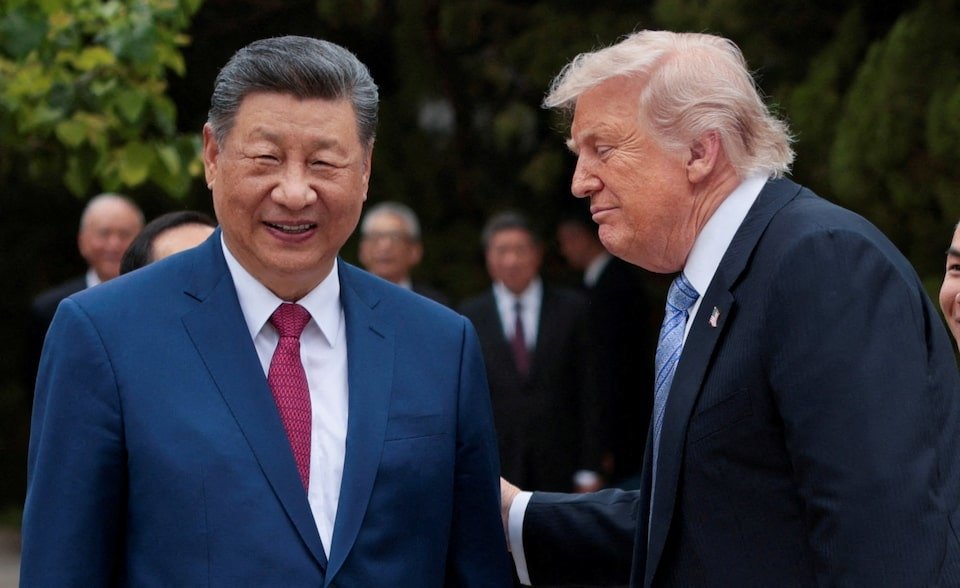
A SYSTEM-DRIVEN trade arrangement between the United States and China has been announced in which Beijing is said to commit to purchasing at least seventeen billion dollars in American agricultural products annually, according to a White House statement outlining the framework of a broader trade understanding between the two economies.
The announcement comes against the backdrop of sustained trade friction between Washington and Beijing, where agricultural exports have repeatedly been used as both an economic buffer and a political bargaining tool.
What is confirmed is the existence of the stated commitment as described by U.S. officials, which frames the agreement as a structured effort to expand Chinese imports of American farm goods including soybeans, corn, pork, and other commodity products that form a significant share of U.S. agricultural export revenues.
China has historically been one of the largest buyers of American agricultural output, but purchases have fluctuated sharply during periods of tariff escalation and diplomatic strain.
The key issue is not only the headline figure, but how such commitments are implemented and verified.
In previous phases of U.S.–China trade negotiations, similar purchase targets were announced but later affected by shifting market conditions, domestic demand changes in China, and broader geopolitical disputes.
The enforceability of import commitments of this scale depends heavily on pricing dynamics, shipping capacity, domestic policy in China, and whether procurement is state-directed or driven by private buyers.
Agricultural trade sits at the center of the economic relationship between the two countries because it directly affects politically sensitive constituencies in the United States, particularly farming regions that depend on export demand.
For China, agricultural imports are tied to food security planning, supply diversification, and inflation management in domestic food markets.
This makes agricultural commitments both economically significant and politically symbolic.
The broader context is a relationship defined by competing priorities: the United States seeks predictable access to Chinese markets for its producers, while China balances import needs against domestic production goals and strategic autonomy in food supply chains.
These competing incentives mean that even large headline agreements often require continuous negotiation at technical and commercial levels after initial announcements.
If fully implemented, a sustained annual purchase level of seventeen billion dollars would represent a significant stabilizing factor for U.S. agricultural exporters, particularly in commodity crops where China has historically been a dominant buyer.
At the same time, the durability of the commitment will depend on whether it survives fluctuations in tariffs, currency pressures, and broader diplomatic conditions between Washington and Beijing.
The announcement comes against the backdrop of sustained trade friction between Washington and Beijing, where agricultural exports have repeatedly been used as both an economic buffer and a political bargaining tool.
What is confirmed is the existence of the stated commitment as described by U.S. officials, which frames the agreement as a structured effort to expand Chinese imports of American farm goods including soybeans, corn, pork, and other commodity products that form a significant share of U.S. agricultural export revenues.
China has historically been one of the largest buyers of American agricultural output, but purchases have fluctuated sharply during periods of tariff escalation and diplomatic strain.
The key issue is not only the headline figure, but how such commitments are implemented and verified.
In previous phases of U.S.–China trade negotiations, similar purchase targets were announced but later affected by shifting market conditions, domestic demand changes in China, and broader geopolitical disputes.
The enforceability of import commitments of this scale depends heavily on pricing dynamics, shipping capacity, domestic policy in China, and whether procurement is state-directed or driven by private buyers.
Agricultural trade sits at the center of the economic relationship between the two countries because it directly affects politically sensitive constituencies in the United States, particularly farming regions that depend on export demand.
For China, agricultural imports are tied to food security planning, supply diversification, and inflation management in domestic food markets.
This makes agricultural commitments both economically significant and politically symbolic.
The broader context is a relationship defined by competing priorities: the United States seeks predictable access to Chinese markets for its producers, while China balances import needs against domestic production goals and strategic autonomy in food supply chains.
These competing incentives mean that even large headline agreements often require continuous negotiation at technical and commercial levels after initial announcements.
If fully implemented, a sustained annual purchase level of seventeen billion dollars would represent a significant stabilizing factor for U.S. agricultural exporters, particularly in commodity crops where China has historically been a dominant buyer.
At the same time, the durability of the commitment will depend on whether it survives fluctuations in tariffs, currency pressures, and broader diplomatic conditions between Washington and Beijing.