White HouseSenateThe HouseSupreme CourtFederal ReserveDOJState DepartmentTreasuryCensusBudget OfficeTrade Representative
WashingTone
Informed by Washington, Defined by Insight
Wednesday, May 20, 2026
WashingTone

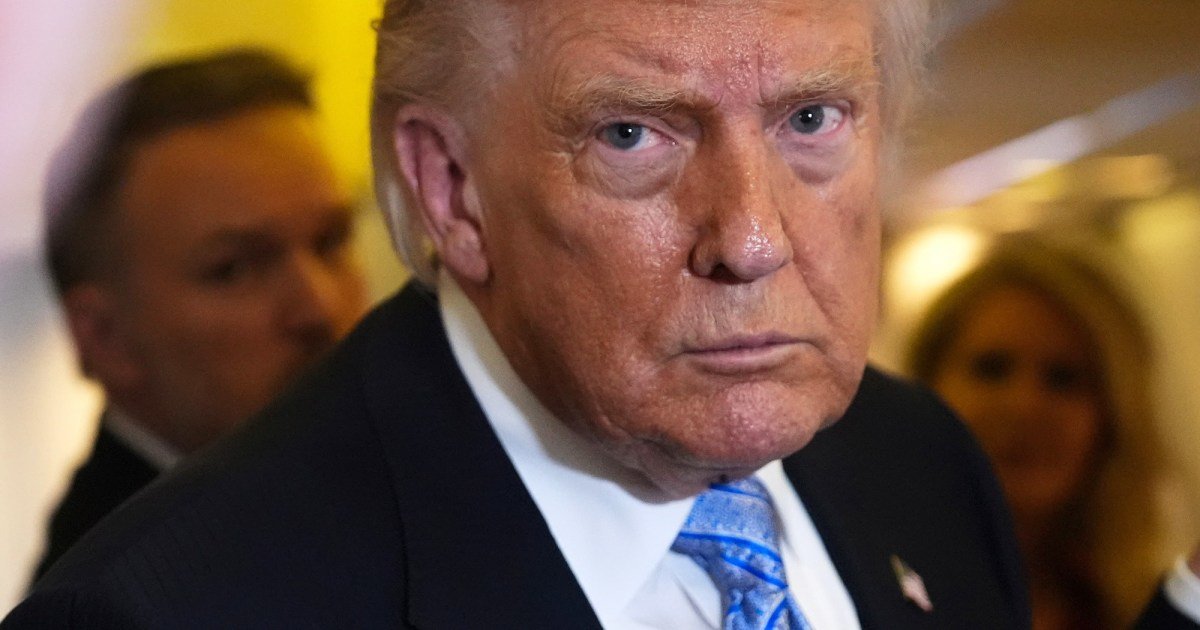
Trump Tower Australia Collapsed Before Construction Ever Began
A proposed ninety-one-storey Trump-branded skyscraper on Queensland’s Gold Coast unraveled within months amid financial disputes, political backlash and growing doubts about the viability of prestige real-estate branding.
The failed Trump Tower project on Australia’s Gold Coast was fundamentally an actor-driven story built around the commercial value — and political liability — of the Trump brand itself.
The proposed development, announced in February as a partnership between the Trump Organization and Australian developer Altus Property Group, was promoted as a one-and-a-half billion Australian dollar luxury resort and residential tower that would become the tallest building in the country.
By May, the deal had collapsed before a formal development application was even lodged.
What is confirmed is that the Trump Organization formally withdrew from the project after accusing its local partner of failing to meet financial obligations tied to the agreement.
The company publicly stated that Altus Property Group failed to satisfy basic contractual requirements necessary for the licensing arrangement to proceed.
The Trump Organization removed the project from its official materials shortly afterward.
The proposed tower was planned for Surfers Paradise on the Gold Coast, one of Australia’s most heavily developed beachfront tourism districts.
Promotional material described a ninety-one-storey building rising roughly three hundred and forty metres, including a luxury hotel, hundreds of apartments, restaurants, retail space, a beach club and high-end amenities designed to target wealthy international buyers before the Brisbane Olympic Games in two thousand thirty-two.
The project was never a traditional Trump-owned development.
Like many international Trump-branded towers, the arrangement relied on licensing the Trump name to a local developer rather than direct ownership or construction by the Trump Organization itself.
That business model has long depended on the assumption that the Trump brand adds prestige and pricing power to luxury real estate.
On the Gold Coast, that assumption became the central problem.
David Young, the chief executive of Altus Property Group, publicly argued that the Trump brand had become increasingly difficult to market in Australia.
He cited geopolitical tensions and backlash linked to the Middle East conflict involving Iran as factors damaging buyer sentiment.
The Trump Organization rejected that explanation and blamed Altus directly for failing to deliver financially.
The collapse exposed broader questions about whether Trump-branded luxury developments remain commercially viable outside strongly supportive political markets.
Australia has historically been one of the United States’ closest allies, but public opinion toward Donald Trump has remained deeply polarised.
Opposition to the tower rapidly escalated after the announcement, particularly across Queensland communities and online campaigns.
More than one hundred and twenty thousand people signed petitions opposing the development.
Critics argued the project would import divisive American political symbolism into a city already struggling with overdevelopment, housing affordability pressure and concerns about speculative luxury construction.
The backlash was not primarily about skyscrapers themselves.
The Gold Coast already contains some of Australia’s tallest residential towers.
The dispute instead centered on the political and cultural meaning attached to the Trump name.
Local officials also signaled caution.
Gold Coast authorities confirmed that no formal development application for a Trump-branded tower had been submitted before the partnership collapsed.
That distinction mattered because the project had already been widely marketed internationally despite lacking regulatory approval.
The site itself has remained vacant for years after multiple earlier redevelopment proposals failed to proceed.
The controversy also revived scrutiny of the Australian partner behind the proposal.
Investigations by Australian media outlets highlighted that David Young had previously faced bankruptcies and had been associated with failed businesses carrying substantial debts.
Young has denied wrongdoing and maintains that the project itself remains alive under a different luxury branding strategy.
Even before the collapse, industry analysts questioned whether the economics were realistic.
Ultra-luxury apartment towers require large volumes of presales, strong financing conditions and stable international capital flows.
Australia’s property market has slowed from pandemic-era highs, construction costs remain elevated and financing conditions have tightened significantly after years of interest rate increases.
The political timing compounded the commercial risk.
Since Donald Trump returned to the White House, his international business interests have again attracted intense scrutiny over ethics, influence and political exposure.
Trump-branded developments increasingly function not simply as luxury real estate products but as political symbols.
That creates a narrower buyer base and raises reputational concerns for lenders, investors and local governments.
The Gold Coast episode also illustrates a wider shift in global luxury branding.
For decades, developers sought celebrity-linked real estate projects to generate headlines and justify premium pricing.
But political identity now carries far greater commercial consequences than during the pre-social-media era.
Public campaigns can mobilise rapidly, and branded developments can become focal points for ideological conflict long before construction begins.
Despite the breakdown, neither side has abandoned Australia entirely.
The Trump Organization has stated it remains interested in future projects in the country.
Altus Property Group says it intends to continue pursuing redevelopment of the Surfers Paradise site under a different international luxury brand.
For now, however, the highest-profile attempt to bring the Trump real-estate brand into Australia ended as a stalled licensing agreement, a vacant beachfront block and a highly visible demonstration of how political identity now directly shapes global property markets.
The proposed development, announced in February as a partnership between the Trump Organization and Australian developer Altus Property Group, was promoted as a one-and-a-half billion Australian dollar luxury resort and residential tower that would become the tallest building in the country.
By May, the deal had collapsed before a formal development application was even lodged.
What is confirmed is that the Trump Organization formally withdrew from the project after accusing its local partner of failing to meet financial obligations tied to the agreement.
The company publicly stated that Altus Property Group failed to satisfy basic contractual requirements necessary for the licensing arrangement to proceed.
The Trump Organization removed the project from its official materials shortly afterward.
The proposed tower was planned for Surfers Paradise on the Gold Coast, one of Australia’s most heavily developed beachfront tourism districts.
Promotional material described a ninety-one-storey building rising roughly three hundred and forty metres, including a luxury hotel, hundreds of apartments, restaurants, retail space, a beach club and high-end amenities designed to target wealthy international buyers before the Brisbane Olympic Games in two thousand thirty-two.
The project was never a traditional Trump-owned development.
Like many international Trump-branded towers, the arrangement relied on licensing the Trump name to a local developer rather than direct ownership or construction by the Trump Organization itself.
That business model has long depended on the assumption that the Trump brand adds prestige and pricing power to luxury real estate.
On the Gold Coast, that assumption became the central problem.
David Young, the chief executive of Altus Property Group, publicly argued that the Trump brand had become increasingly difficult to market in Australia.
He cited geopolitical tensions and backlash linked to the Middle East conflict involving Iran as factors damaging buyer sentiment.
The Trump Organization rejected that explanation and blamed Altus directly for failing to deliver financially.
The collapse exposed broader questions about whether Trump-branded luxury developments remain commercially viable outside strongly supportive political markets.
Australia has historically been one of the United States’ closest allies, but public opinion toward Donald Trump has remained deeply polarised.
Opposition to the tower rapidly escalated after the announcement, particularly across Queensland communities and online campaigns.
More than one hundred and twenty thousand people signed petitions opposing the development.
Critics argued the project would import divisive American political symbolism into a city already struggling with overdevelopment, housing affordability pressure and concerns about speculative luxury construction.
The backlash was not primarily about skyscrapers themselves.
The Gold Coast already contains some of Australia’s tallest residential towers.
The dispute instead centered on the political and cultural meaning attached to the Trump name.
Local officials also signaled caution.
Gold Coast authorities confirmed that no formal development application for a Trump-branded tower had been submitted before the partnership collapsed.
That distinction mattered because the project had already been widely marketed internationally despite lacking regulatory approval.
The site itself has remained vacant for years after multiple earlier redevelopment proposals failed to proceed.
The controversy also revived scrutiny of the Australian partner behind the proposal.
Investigations by Australian media outlets highlighted that David Young had previously faced bankruptcies and had been associated with failed businesses carrying substantial debts.
Young has denied wrongdoing and maintains that the project itself remains alive under a different luxury branding strategy.
Even before the collapse, industry analysts questioned whether the economics were realistic.
Ultra-luxury apartment towers require large volumes of presales, strong financing conditions and stable international capital flows.
Australia’s property market has slowed from pandemic-era highs, construction costs remain elevated and financing conditions have tightened significantly after years of interest rate increases.
The political timing compounded the commercial risk.
Since Donald Trump returned to the White House, his international business interests have again attracted intense scrutiny over ethics, influence and political exposure.
Trump-branded developments increasingly function not simply as luxury real estate products but as political symbols.
That creates a narrower buyer base and raises reputational concerns for lenders, investors and local governments.
The Gold Coast episode also illustrates a wider shift in global luxury branding.
For decades, developers sought celebrity-linked real estate projects to generate headlines and justify premium pricing.
But political identity now carries far greater commercial consequences than during the pre-social-media era.
Public campaigns can mobilise rapidly, and branded developments can become focal points for ideological conflict long before construction begins.
Despite the breakdown, neither side has abandoned Australia entirely.
The Trump Organization has stated it remains interested in future projects in the country.
Altus Property Group says it intends to continue pursuing redevelopment of the Surfers Paradise site under a different international luxury brand.
For now, however, the highest-profile attempt to bring the Trump real-estate brand into Australia ended as a stalled licensing agreement, a vacant beachfront block and a highly visible demonstration of how political identity now directly shapes global property markets.