White HouseSenateThe HouseSupreme CourtFederal ReserveDOJState DepartmentTreasuryCensusBudget OfficeTrade Representative
WashingTone
Informed by Washington, Defined by Insight
Wednesday, May 20, 2026
WashingTone

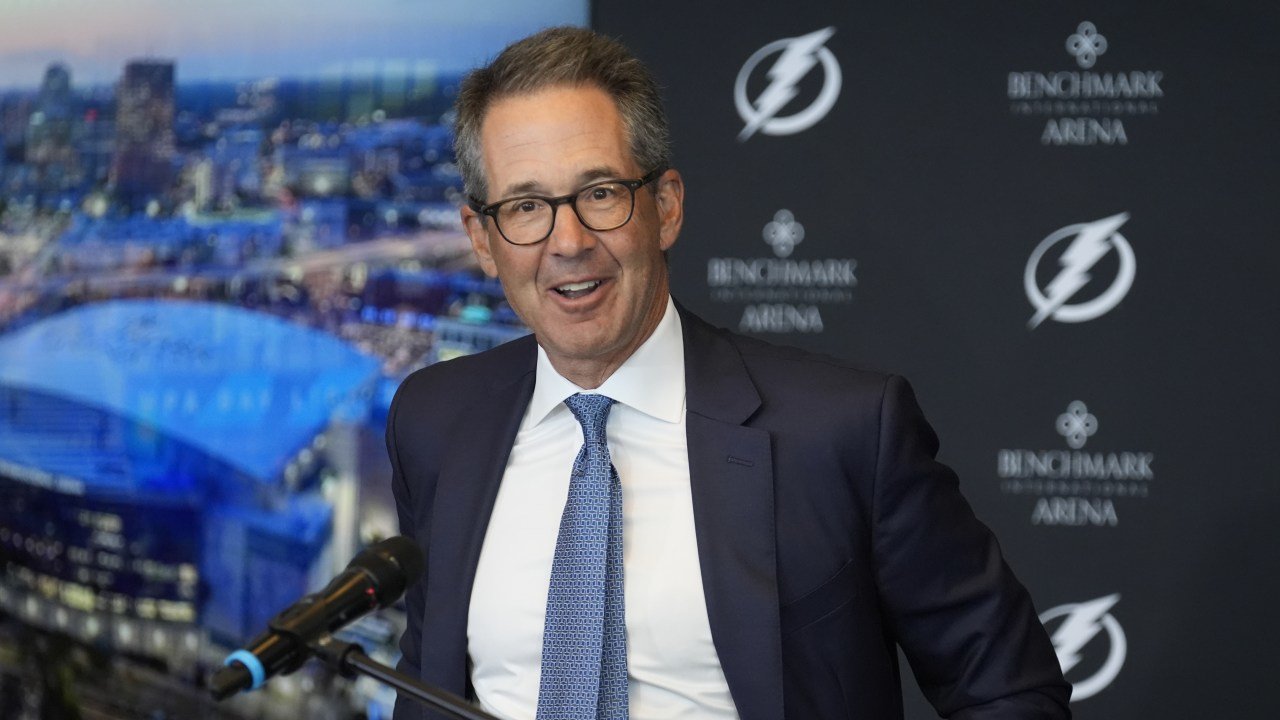
Blue Owl Co-Founder Sells Stake in Washington Commanders Amid Private Equity Exit Trend in Sports Ownership
The transaction reflects growing liquidity pressure and portfolio reshaping among institutional investors in high-value sports franchises
An ACTOR-DRIVEN shift in sports franchise ownership is unfolding as a co-founder of Blue Owl Capital has sold a stake in the Washington Commanders, marking another data point in the increasing financialization and turnover of equity positions in major US sports teams.
The Washington Commanders, a National Football League franchise based in the United States capital region, have undergone significant ownership changes in recent years following the departure of long-time controlling owner Daniel Snyder.
That transition opened the door for a consortium of institutional investors and high-net-worth individuals to acquire stakes in one of the league’s most valuable teams.
What is confirmed in the broader context is that professional sports franchises in the United States have become highly sought-after alternative assets for institutional capital.
Limited supply, strong media rights revenue, and global brand expansion have driven valuations upward across leagues such as the NFL, NBA, and English Premier League.
As a result, minority stakes in teams are frequently traded among private equity executives, sovereign-linked funds, and billionaire investors.
The sale by a Blue Owl Capital co-founder reflects a broader pattern in which private equity leaders who invest personally in sports franchises periodically rebalance their holdings.
These investments often sit alongside institutional capital strategies, and partial exits can be driven by liquidity needs, portfolio diversification, or shifts in valuation expectations rather than changes in outlook on the asset itself.
The Commanders themselves have been undergoing a multi-year restructuring phase, including ownership stabilization, stadium planning discussions, and efforts to rebuild brand value after years of organizational instability.
This has made the franchise a focal point for investors betting on long-term appreciation tied to both on-field performance and off-field commercial development.
Sports franchise ownership has increasingly blurred the line between cultural asset and financial instrument.
Minority stakes are now treated similarly to illiquid private equity positions, where entry and exit timing can be influenced by fundraising cycles, secondary market demand, and macroeconomic conditions affecting high-net-worth portfolios.
At the same time, the scarcity of top-tier sports franchises creates structural upward pressure on valuations.
NFL teams in particular benefit from national media contracts that generate predictable revenue streams, insulating them from some of the volatility seen in other entertainment sectors.
This makes even partial ownership stakes attractive to institutional investors seeking stable, prestige-linked returns.
However, increased financial turnover also raises governance questions.
As ownership becomes more fragmented, control rights, decision-making influence, and long-term strategic alignment can become more complex.
Leagues have historically imposed approval processes for ownership transfers to ensure stability, but the underlying trend is toward more frequent secondary transactions among approved investors.
The broader implication is that elite sports franchises are no longer purely legacy-owned cultural institutions but increasingly operate as hybrid financial assets embedded in global capital markets.
The sale of a stake in the Washington Commanders fits into this structural transformation, where liquidity events among major investors are becoming a routine feature of sports ownership ecosystems rather than isolated occurrences.
As capital continues to flow into professional sports, further secondary sales among early institutional investors are likely, reinforcing the cycle of rising valuations and periodic ownership reshuffling across major US franchises.
The Washington Commanders, a National Football League franchise based in the United States capital region, have undergone significant ownership changes in recent years following the departure of long-time controlling owner Daniel Snyder.
That transition opened the door for a consortium of institutional investors and high-net-worth individuals to acquire stakes in one of the league’s most valuable teams.
What is confirmed in the broader context is that professional sports franchises in the United States have become highly sought-after alternative assets for institutional capital.
Limited supply, strong media rights revenue, and global brand expansion have driven valuations upward across leagues such as the NFL, NBA, and English Premier League.
As a result, minority stakes in teams are frequently traded among private equity executives, sovereign-linked funds, and billionaire investors.
The sale by a Blue Owl Capital co-founder reflects a broader pattern in which private equity leaders who invest personally in sports franchises periodically rebalance their holdings.
These investments often sit alongside institutional capital strategies, and partial exits can be driven by liquidity needs, portfolio diversification, or shifts in valuation expectations rather than changes in outlook on the asset itself.
The Commanders themselves have been undergoing a multi-year restructuring phase, including ownership stabilization, stadium planning discussions, and efforts to rebuild brand value after years of organizational instability.
This has made the franchise a focal point for investors betting on long-term appreciation tied to both on-field performance and off-field commercial development.
Sports franchise ownership has increasingly blurred the line between cultural asset and financial instrument.
Minority stakes are now treated similarly to illiquid private equity positions, where entry and exit timing can be influenced by fundraising cycles, secondary market demand, and macroeconomic conditions affecting high-net-worth portfolios.
At the same time, the scarcity of top-tier sports franchises creates structural upward pressure on valuations.
NFL teams in particular benefit from national media contracts that generate predictable revenue streams, insulating them from some of the volatility seen in other entertainment sectors.
This makes even partial ownership stakes attractive to institutional investors seeking stable, prestige-linked returns.
However, increased financial turnover also raises governance questions.
As ownership becomes more fragmented, control rights, decision-making influence, and long-term strategic alignment can become more complex.
Leagues have historically imposed approval processes for ownership transfers to ensure stability, but the underlying trend is toward more frequent secondary transactions among approved investors.
The broader implication is that elite sports franchises are no longer purely legacy-owned cultural institutions but increasingly operate as hybrid financial assets embedded in global capital markets.
The sale of a stake in the Washington Commanders fits into this structural transformation, where liquidity events among major investors are becoming a routine feature of sports ownership ecosystems rather than isolated occurrences.
As capital continues to flow into professional sports, further secondary sales among early institutional investors are likely, reinforcing the cycle of rising valuations and periodic ownership reshuffling across major US franchises.