White HouseSenateThe HouseSupreme CourtFederal ReserveDOJState DepartmentTreasuryCensusBudget OfficeTrade Representative
WashingTone
Informed by Washington, Defined by Insight
Wednesday, May 20, 2026
WashingTone

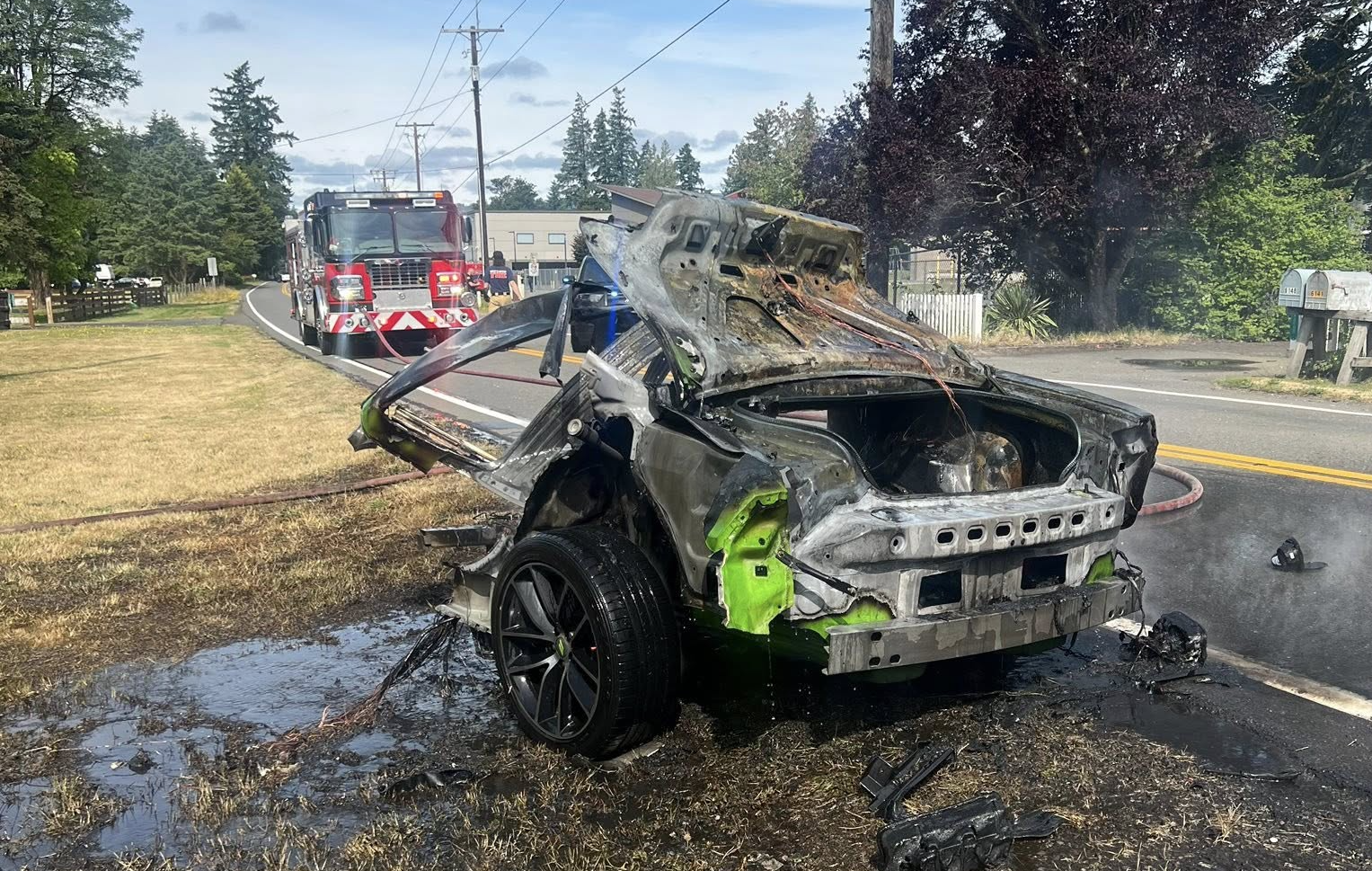
Traffic Deaths Decline Again on Washington Roads as Safety Measures Take Effect
New safety trends point to a continued drop in roadway fatalities, driven by enforcement, infrastructure changes, and shifting post-pandemic driving patterns
A SYSTEM-DRIVEN shift in road safety outcomes is reshaping transportation trends in Washington state, where roadway deaths have declined again following several years of elevated fatalities linked to post-pandemic driving behavior, higher speeds, and increased risk exposure.
What is confirmed in recent statewide transportation data trends is that fatal crashes have moved downward after a sharp rise earlier in the decade.
That earlier increase was widely associated with changes in driving behavior during and after the COVID-19 pandemic, including reduced traffic enforcement capacity, higher vehicle speeds on less congested roads, and an increase in impaired and distracted driving incidents.
The recent decline reflects a combination of enforcement, infrastructure, and behavioral factors.
Transportation agencies have expanded targeted enforcement campaigns focused on speeding and impaired driving, particularly during high-risk hours and holiday periods.
At the same time, local governments have continued redesigning high-injury corridors with measures such as road narrowing, improved pedestrian crossings, speed calming infrastructure, and updated traffic signal timing.
A major contributing factor is the gradual normalization of traffic volumes.
During the pandemic period, fewer vehicles on the road paradoxically led to more dangerous driving conditions, as open roads encouraged higher speeds and more severe crash outcomes.
As traffic patterns stabilized, some of these extreme risk conditions eased, contributing to fewer high-severity collisions.
Vehicle safety technology has also played a role.
Modern cars are increasingly equipped with automatic emergency braking, lane-keeping assistance, and collision warning systems, which reduce the likelihood of certain types of crashes.
While these systems do not eliminate human error, they can mitigate impact severity and reduce fatal outcomes in specific scenarios.
However, the decline in fatalities does not indicate a fully resolved safety problem.
Road deaths remain significantly higher than historical lows seen in earlier decades, and vulnerable road users such as pedestrians and cyclists continue to face disproportionate risk.
Urban growth and increased travel in densely populated corridors have also introduced new safety challenges.
Another structural factor is the persistence of high-risk driving behaviors, particularly speeding and impaired driving.
These remain leading contributors to fatal crashes across the state, even as enforcement strategies become more data-driven and geographically targeted.
The effectiveness of these interventions often depends on sustained funding and consistent implementation across jurisdictions.
The broader implication is that road safety in Washington is entering a stabilization phase rather than a full recovery.
Gains are being made, but they are incremental and dependent on continued policy pressure, infrastructure investment, and behavioral change among drivers.
Without sustained effort, the system remains vulnerable to reversals driven by economic conditions, traffic volume changes, or enforcement gaps.
The recent decline therefore reflects progress within a still-evolving safety system, where engineering, enforcement, and driver behavior continue to interact in determining whether fatalities rise or fall in the years ahead.
What is confirmed in recent statewide transportation data trends is that fatal crashes have moved downward after a sharp rise earlier in the decade.
That earlier increase was widely associated with changes in driving behavior during and after the COVID-19 pandemic, including reduced traffic enforcement capacity, higher vehicle speeds on less congested roads, and an increase in impaired and distracted driving incidents.
The recent decline reflects a combination of enforcement, infrastructure, and behavioral factors.
Transportation agencies have expanded targeted enforcement campaigns focused on speeding and impaired driving, particularly during high-risk hours and holiday periods.
At the same time, local governments have continued redesigning high-injury corridors with measures such as road narrowing, improved pedestrian crossings, speed calming infrastructure, and updated traffic signal timing.
A major contributing factor is the gradual normalization of traffic volumes.
During the pandemic period, fewer vehicles on the road paradoxically led to more dangerous driving conditions, as open roads encouraged higher speeds and more severe crash outcomes.
As traffic patterns stabilized, some of these extreme risk conditions eased, contributing to fewer high-severity collisions.
Vehicle safety technology has also played a role.
Modern cars are increasingly equipped with automatic emergency braking, lane-keeping assistance, and collision warning systems, which reduce the likelihood of certain types of crashes.
While these systems do not eliminate human error, they can mitigate impact severity and reduce fatal outcomes in specific scenarios.
However, the decline in fatalities does not indicate a fully resolved safety problem.
Road deaths remain significantly higher than historical lows seen in earlier decades, and vulnerable road users such as pedestrians and cyclists continue to face disproportionate risk.
Urban growth and increased travel in densely populated corridors have also introduced new safety challenges.
Another structural factor is the persistence of high-risk driving behaviors, particularly speeding and impaired driving.
These remain leading contributors to fatal crashes across the state, even as enforcement strategies become more data-driven and geographically targeted.
The effectiveness of these interventions often depends on sustained funding and consistent implementation across jurisdictions.
The broader implication is that road safety in Washington is entering a stabilization phase rather than a full recovery.
Gains are being made, but they are incremental and dependent on continued policy pressure, infrastructure investment, and behavioral change among drivers.
Without sustained effort, the system remains vulnerable to reversals driven by economic conditions, traffic volume changes, or enforcement gaps.
The recent decline therefore reflects progress within a still-evolving safety system, where engineering, enforcement, and driver behavior continue to interact in determining whether fatalities rise or fall in the years ahead.