White HouseSenateThe HouseSupreme CourtFederal ReserveDOJState DepartmentTreasuryCensusBudget OfficeTrade Representative
WashingTone
Informed by Washington, Defined by Insight
Wednesday, May 20, 2026
WashingTone

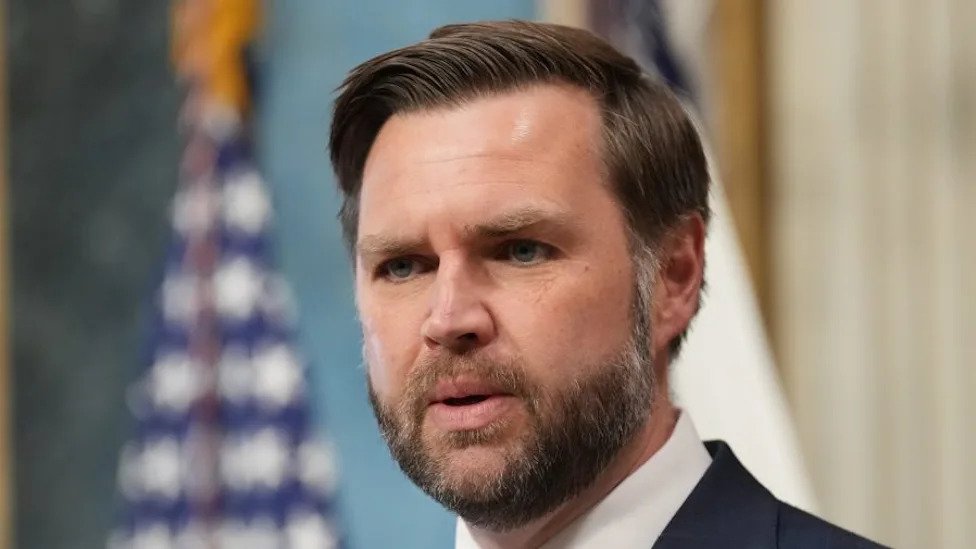
White House Signals Diplomatic Pressure as Iran Talks Continue Without Breakthrough
Vice President JD Vance leads briefing while US-Iran negotiations remain stalled, highlighting tensions over sanctions, enrichment limits, and regional security risks
SYSTEM-DRIVEN diplomatic negotiations between the United States and Iran are continuing amid persistent disagreement over key terms, as senior White House officials maintain public messaging aimed at reinforcing negotiating pressure while avoiding escalation.
The latest briefing led by Vice President JD Vance reflects an ongoing effort to project coordination within the administration while talks remain unresolved.
What is confirmed is that US-Iran negotiations have been taking place through indirect channels involving intermediaries, as both sides attempt to manage disputes over Iran’s nuclear program, sanctions relief, and regional security concerns.
These talks have repeatedly stalled in recent years due to disagreements over the scope of nuclear enrichment limits and verification mechanisms.
The White House briefing led by Vance was framed as part of a broader diplomatic posture emphasizing that the United States continues to prefer a negotiated outcome while keeping pressure mechanisms in place.
Public messaging from senior officials has consistently paired calls for diplomacy with warnings that Iran’s nuclear escalation could carry severe strategic consequences for regional stability.
At the center of the dispute is Iran’s uranium enrichment program and the extent to which it can be constrained under any renewed agreement.
The United States and its allies have long argued that strict limits and robust inspections are necessary to prevent weaponization pathways, while Iran has maintained that its nuclear activities are for civilian energy purposes and insists on sanctions relief as part of any deal.
The negotiations remain complicated by broader regional dynamics, including tensions involving proxy groups, maritime security incidents, and shifting alliances across the Middle East.
These factors have repeatedly influenced the pace and tone of diplomatic engagement, making progress dependent not only on bilateral US-Iran discussions but also on wider security developments.
Inside Washington, the administration’s approach reflects an attempt to balance competing pressures: preventing nuclear escalation while avoiding concessions that could be politically controversial domestically or weaken leverage in negotiations.
Vice presidential involvement in public briefings signals the political sensitivity of the issue and the importance placed on maintaining a unified executive message.
For Iran, negotiations are also shaped by economic constraints driven by sanctions and domestic political considerations.
The Iranian government faces pressure to secure economic relief while managing internal expectations regarding sovereignty and resistance to external demands on its nuclear program.
The outcome of the current diplomatic track will determine whether negotiations move toward a structured agreement framework or continue in a cycle of stalled engagement and intermittent escalation.
The direction of talks will also shape broader security calculations in the Middle East, particularly among US allies monitoring Iran’s nuclear trajectory and regional activity.
The latest briefing led by Vice President JD Vance reflects an ongoing effort to project coordination within the administration while talks remain unresolved.
What is confirmed is that US-Iran negotiations have been taking place through indirect channels involving intermediaries, as both sides attempt to manage disputes over Iran’s nuclear program, sanctions relief, and regional security concerns.
These talks have repeatedly stalled in recent years due to disagreements over the scope of nuclear enrichment limits and verification mechanisms.
The White House briefing led by Vance was framed as part of a broader diplomatic posture emphasizing that the United States continues to prefer a negotiated outcome while keeping pressure mechanisms in place.
Public messaging from senior officials has consistently paired calls for diplomacy with warnings that Iran’s nuclear escalation could carry severe strategic consequences for regional stability.
At the center of the dispute is Iran’s uranium enrichment program and the extent to which it can be constrained under any renewed agreement.
The United States and its allies have long argued that strict limits and robust inspections are necessary to prevent weaponization pathways, while Iran has maintained that its nuclear activities are for civilian energy purposes and insists on sanctions relief as part of any deal.
The negotiations remain complicated by broader regional dynamics, including tensions involving proxy groups, maritime security incidents, and shifting alliances across the Middle East.
These factors have repeatedly influenced the pace and tone of diplomatic engagement, making progress dependent not only on bilateral US-Iran discussions but also on wider security developments.
Inside Washington, the administration’s approach reflects an attempt to balance competing pressures: preventing nuclear escalation while avoiding concessions that could be politically controversial domestically or weaken leverage in negotiations.
Vice presidential involvement in public briefings signals the political sensitivity of the issue and the importance placed on maintaining a unified executive message.
For Iran, negotiations are also shaped by economic constraints driven by sanctions and domestic political considerations.
The Iranian government faces pressure to secure economic relief while managing internal expectations regarding sovereignty and resistance to external demands on its nuclear program.
The outcome of the current diplomatic track will determine whether negotiations move toward a structured agreement framework or continue in a cycle of stalled engagement and intermittent escalation.
The direction of talks will also shape broader security calculations in the Middle East, particularly among US allies monitoring Iran’s nuclear trajectory and regional activity.