White HouseSenateThe HouseSupreme CourtFederal ReserveDOJState DepartmentTreasuryCensusBudget OfficeTrade Representative
WashingTone
Informed by Washington, Defined by Insight
Wednesday, May 20, 2026
WashingTone

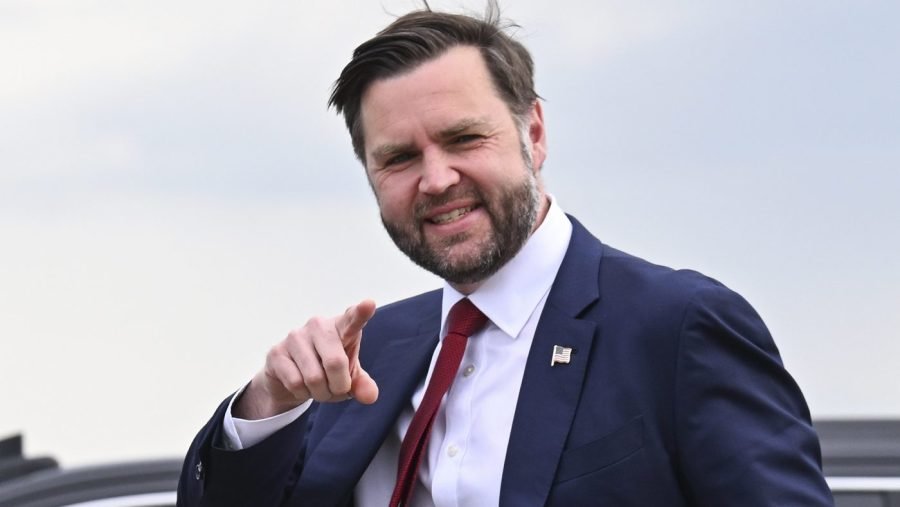
Vance steps into White House briefing spotlight as Rubio sets the precedent
Vice President expected to fill in for press briefing duties during Leavitt’s maternity leave, continuing a rotating lineup of senior officials shaping the administration’s public messaging
The White House’s use of senior administration officials to temporarily replace the press secretary has become an informal communications system shaped by personnel availability, political messaging demands, and growing public attention on key figures within the administration.
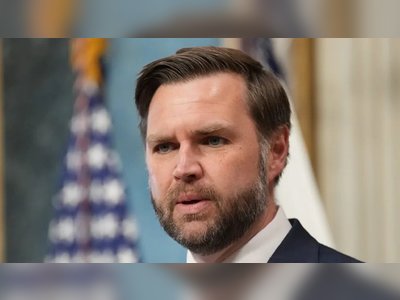
Vice President JD Vance is expected to take part in a White House press briefing on Tuesday, filling in for press secretary Karoline Leavitt, who is currently on maternity leave.
The arrangement follows a recent precedent set when Secretary of State Marco Rubio appeared at the briefing podium in a similar substitute role, an appearance that drew significant attention for its polished delivery and political undertones.
The rotating assignments reflect a broader operational adjustment in the White House communications structure, where senior officials temporarily assume briefing responsibilities while the press secretary is away.
This is not a formal change in hierarchy but a logistical substitution that has nonetheless taken on political significance due to the profiles of those stepping in.
Rubio’s prior briefing, in which he addressed questions on foreign policy and domestic priorities, was widely noted for its composed tone and expansive policy explanations.
The performance intensified ongoing speculation about his rising visibility within the administration and his long-term political prospects, even as officials have avoided confirming any electoral intentions.
Vance’s upcoming appearance places him in a similar position, giving him a high-profile platform in a controlled White House setting where messaging is closely aligned with administration priorities.
He has increasingly been visible in public-facing political roles, including campaign-style travel and policy messaging events tied to the administration’s domestic agenda.
The overlapping visibility of Vance and Rubio has also contributed to broader political speculation about the post-2028 Republican landscape.
Both are frequently discussed as leading figures in potential future presidential contests, though neither has announced candidacy plans.
The administration has publicly emphasized that such speculation is premature and that both officials remain focused on their current roles.
Within this context, the White House briefing room has evolved into more than a communications venue.
It has become a stage where senior officials demonstrate policy fluency, media discipline, and political presence, intentionally or not shaping perceptions of leadership beyond their formal job descriptions.
Vance’s participation continues that pattern, reinforcing the administration’s reliance on high-level officials to maintain messaging continuity during personnel absences while also elevating the public profiles of those stepping into the briefing role.
Vice President JD Vance is expected to take part in a White House press briefing on Tuesday, filling in for press secretary Karoline Leavitt, who is currently on maternity leave.
The arrangement follows a recent precedent set when Secretary of State Marco Rubio appeared at the briefing podium in a similar substitute role, an appearance that drew significant attention for its polished delivery and political undertones.
The rotating assignments reflect a broader operational adjustment in the White House communications structure, where senior officials temporarily assume briefing responsibilities while the press secretary is away.
This is not a formal change in hierarchy but a logistical substitution that has nonetheless taken on political significance due to the profiles of those stepping in.
Rubio’s prior briefing, in which he addressed questions on foreign policy and domestic priorities, was widely noted for its composed tone and expansive policy explanations.
The performance intensified ongoing speculation about his rising visibility within the administration and his long-term political prospects, even as officials have avoided confirming any electoral intentions.
Vance’s upcoming appearance places him in a similar position, giving him a high-profile platform in a controlled White House setting where messaging is closely aligned with administration priorities.
He has increasingly been visible in public-facing political roles, including campaign-style travel and policy messaging events tied to the administration’s domestic agenda.
The overlapping visibility of Vance and Rubio has also contributed to broader political speculation about the post-2028 Republican landscape.
Both are frequently discussed as leading figures in potential future presidential contests, though neither has announced candidacy plans.
The administration has publicly emphasized that such speculation is premature and that both officials remain focused on their current roles.
Within this context, the White House briefing room has evolved into more than a communications venue.
It has become a stage where senior officials demonstrate policy fluency, media discipline, and political presence, intentionally or not shaping perceptions of leadership beyond their formal job descriptions.
Vance’s participation continues that pattern, reinforcing the administration’s reliance on high-level officials to maintain messaging continuity during personnel absences while also elevating the public profiles of those stepping into the briefing role.