White HouseSenateThe HouseSupreme CourtFederal ReserveDOJState DepartmentTreasuryCensusBudget OfficeTrade Representative
WashingTone
Informed by Washington, Defined by Insight
Tuesday, May 12, 2026
WashingTone

Trump’s Oil Production Claim Doesn’t Match Global Output Data
The United States is the world’s largest oil producer, but combined output from Russia and Saudi Arabia remains higher, challenging the accuracy of recent political claims
Global oil production is a tightly tracked system shaped by national output, market controls, and strategic energy policy.
The United States, Russia, and Saudi Arabia are the three most influential producers, and comparisons between them often carry political as well as economic weight.
The claim that the United States produces more oil than Russia and Saudi Arabia combined does not align with widely established production data.
What is consistently confirmed across major energy tracking systems is that the United States is the world’s largest single producer of crude oil.
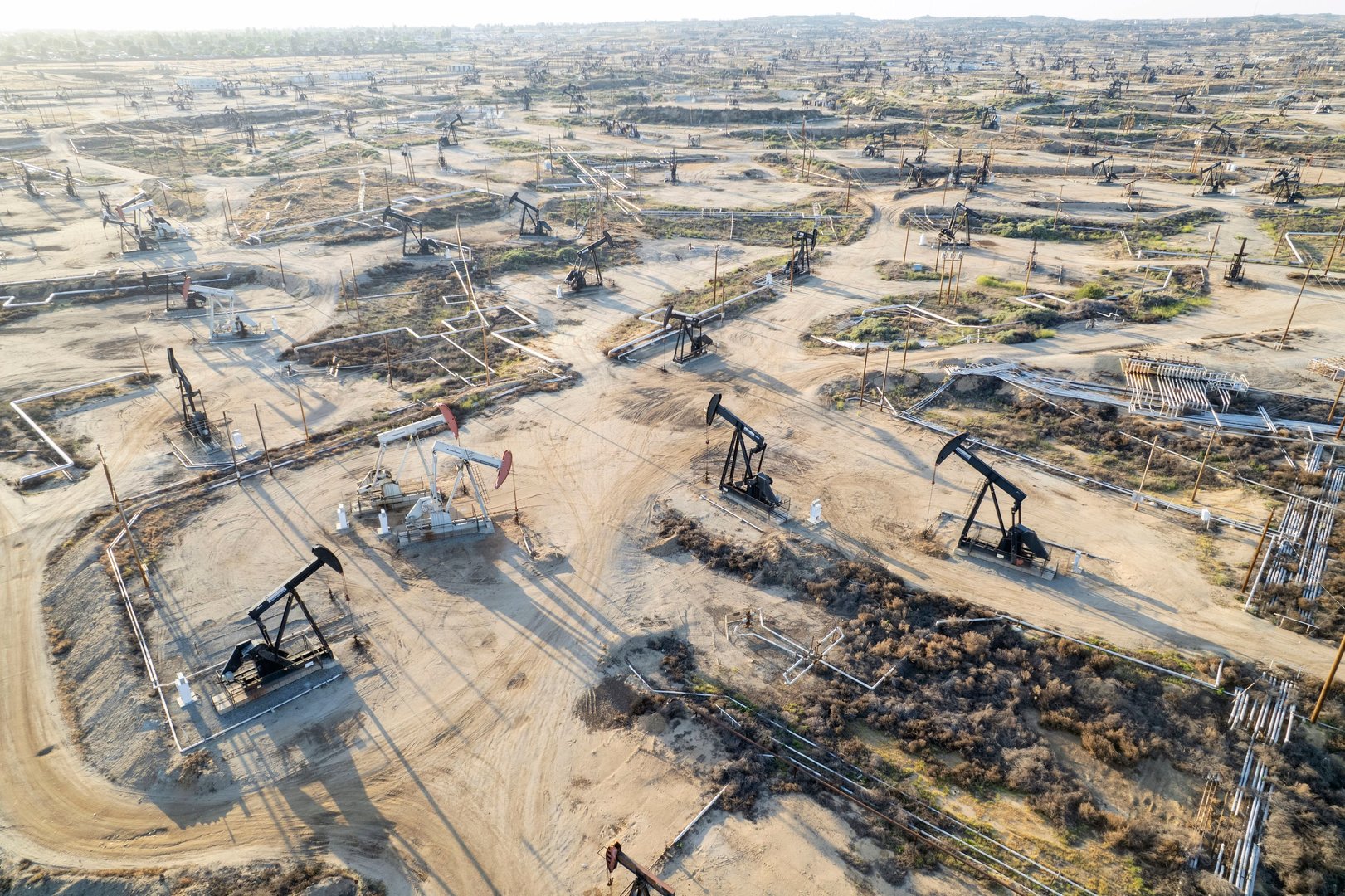
Its output has reached roughly the low-to-mid teens in millions of barrels per day in recent years, driven largely by shale production.
However, Russia and Saudi Arabia each produce substantial volumes on their own, typically in the high single-digit to low double-digit millions of barrels per day range.
When combined, their total output remains higher than that of the United States alone.
This makes the claim of U.S. production exceeding both countries together incorrect under standard global measurement.
The distinction matters because oil production is not only an economic indicator but also a geopolitical lever.
The United States’ rise to the top position reflects the expansion of shale extraction technologies, which significantly increased domestic supply over the past two decades.
Saudi Arabia, as a leading member of OPEC, and Russia, as a major non-OPEC producer within the OPEC+ framework, both retain strong influence over global pricing through coordinated production decisions.
Political statements about energy dominance often compress these complexities into simplified comparisons.
In practice, production leadership can refer to individual national output, export capacity, or influence over global pricing, each of which tells a different story.
The United States leads in total production, but not in combined output against its two closest competitors.
The broader context is a global oil market that remains structurally interdependent.
Even as the United States has reduced reliance on imports due to domestic production growth, global price dynamics continue to be shaped by supply decisions from all three major producers.
This means that comparisons require precise framing to avoid misleading conclusions about relative energy power.
In this case, verified production patterns show that while the United States is the largest single producer, it does not exceed the combined output of Russia and Saudi Arabia, reinforcing the importance of accurate statistical context in political claims about energy dominance.
The United States, Russia, and Saudi Arabia are the three most influential producers, and comparisons between them often carry political as well as economic weight.
The claim that the United States produces more oil than Russia and Saudi Arabia combined does not align with widely established production data.
What is consistently confirmed across major energy tracking systems is that the United States is the world’s largest single producer of crude oil.
Its output has reached roughly the low-to-mid teens in millions of barrels per day in recent years, driven largely by shale production.
However, Russia and Saudi Arabia each produce substantial volumes on their own, typically in the high single-digit to low double-digit millions of barrels per day range.
When combined, their total output remains higher than that of the United States alone.
This makes the claim of U.S. production exceeding both countries together incorrect under standard global measurement.
The distinction matters because oil production is not only an economic indicator but also a geopolitical lever.
The United States’ rise to the top position reflects the expansion of shale extraction technologies, which significantly increased domestic supply over the past two decades.
Saudi Arabia, as a leading member of OPEC, and Russia, as a major non-OPEC producer within the OPEC+ framework, both retain strong influence over global pricing through coordinated production decisions.
Political statements about energy dominance often compress these complexities into simplified comparisons.
In practice, production leadership can refer to individual national output, export capacity, or influence over global pricing, each of which tells a different story.
The United States leads in total production, but not in combined output against its two closest competitors.
The broader context is a global oil market that remains structurally interdependent.
Even as the United States has reduced reliance on imports due to domestic production growth, global price dynamics continue to be shaped by supply decisions from all three major producers.
This means that comparisons require precise framing to avoid misleading conclusions about relative energy power.
In this case, verified production patterns show that while the United States is the largest single producer, it does not exceed the combined output of Russia and Saudi Arabia, reinforcing the importance of accurate statistical context in political claims about energy dominance.