White HouseSenateThe HouseSupreme CourtFederal ReserveDOJState DepartmentTreasuryCensusBudget OfficeTrade Representative
WashingTone
Informed by Washington, Defined by Insight
Tuesday, May 12, 2026
WashingTone

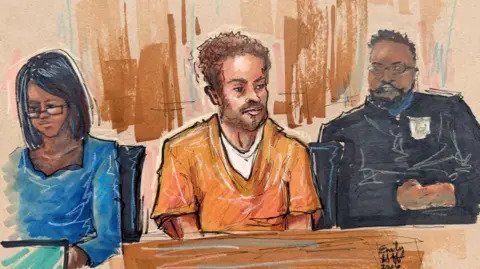
Washington Dinner Shooting Suspect Enters Not Guilty Plea as Case Moves to Trial Phase
Court proceedings begin in a high-profile shooting case, with the accused formally denying charges as prosecutors prepare evidence and witnesses
Actor-driven criminal proceedings are now shaping the legal trajectory of a Washington state shooting case in which a suspect accused of opening fire during a dinner gathering has formally entered a not guilty plea in court.
The plea marks the transition of the case from initial detention and charging into the pre-trial phase, where evidence will be examined and legal arguments prepared by both prosecution and defense.
What is confirmed is that the suspect is facing criminal charges connected to a shooting incident that occurred during a dinner event in Washington state, where multiple individuals were present.
Law enforcement responded to reports of gunfire, and an investigation led to the arrest and charging of the individual now appearing before the court.
The specific charges typically associated with such cases include violent offenses related to the use of a firearm, though final legal classification depends on prosecutorial filings and judicial review.
By entering a not guilty plea, the defendant is formally contesting the allegations.
This legal step requires the prosecution to prove the charges beyond a reasonable doubt in a trial setting unless a plea agreement is reached beforehand.
The plea itself does not provide new factual evidence but establishes the framework for adversarial proceedings.
The mechanism of the justice process in such cases involves several stages: arraignment, pre-trial motions, discovery, and potentially trial.
During discovery, both sides exchange evidence, including witness statements, forensic analysis, and any available video or physical evidence from the scene.
Pre-trial hearings may address evidentiary disputes, bail conditions, and procedural matters.
The stakes in cases involving alleged public shootings are particularly high due to the severity of potential charges and the broader public safety concerns they raise.
Prosecutors typically seek to establish intent, identity, and the sequence of events leading to the use of a firearm, while defense teams often challenge reliability of evidence, witness credibility, or procedural conduct during arrest and investigation.
The broader context of such cases in the United States reflects ongoing legal and social attention to gun-related violence, courtroom procedures involving firearm incidents, and the standards required to secure convictions in violent crime prosecutions.
These cases often draw public attention not only because of the immediate incident but also because they intersect with wider debates on firearm access and criminal accountability.
At this stage, the court process is focused on determining admissible evidence and establishing a timeline for trial.
The defendant remains presumed innocent under the law until proven guilty, and the case will proceed through the judicial system according to standard criminal procedure in Washington state.
The immediate implication of the not guilty plea is that a contested trial process is now expected unless both sides reach an agreement before proceedings begin in full.
The plea marks the transition of the case from initial detention and charging into the pre-trial phase, where evidence will be examined and legal arguments prepared by both prosecution and defense.
What is confirmed is that the suspect is facing criminal charges connected to a shooting incident that occurred during a dinner event in Washington state, where multiple individuals were present.
Law enforcement responded to reports of gunfire, and an investigation led to the arrest and charging of the individual now appearing before the court.
The specific charges typically associated with such cases include violent offenses related to the use of a firearm, though final legal classification depends on prosecutorial filings and judicial review.
By entering a not guilty plea, the defendant is formally contesting the allegations.
This legal step requires the prosecution to prove the charges beyond a reasonable doubt in a trial setting unless a plea agreement is reached beforehand.
The plea itself does not provide new factual evidence but establishes the framework for adversarial proceedings.
The mechanism of the justice process in such cases involves several stages: arraignment, pre-trial motions, discovery, and potentially trial.
During discovery, both sides exchange evidence, including witness statements, forensic analysis, and any available video or physical evidence from the scene.
Pre-trial hearings may address evidentiary disputes, bail conditions, and procedural matters.
The stakes in cases involving alleged public shootings are particularly high due to the severity of potential charges and the broader public safety concerns they raise.
Prosecutors typically seek to establish intent, identity, and the sequence of events leading to the use of a firearm, while defense teams often challenge reliability of evidence, witness credibility, or procedural conduct during arrest and investigation.
The broader context of such cases in the United States reflects ongoing legal and social attention to gun-related violence, courtroom procedures involving firearm incidents, and the standards required to secure convictions in violent crime prosecutions.
These cases often draw public attention not only because of the immediate incident but also because they intersect with wider debates on firearm access and criminal accountability.
At this stage, the court process is focused on determining admissible evidence and establishing a timeline for trial.
The defendant remains presumed innocent under the law until proven guilty, and the case will proceed through the judicial system according to standard criminal procedure in Washington state.
The immediate implication of the not guilty plea is that a contested trial process is now expected unless both sides reach an agreement before proceedings begin in full.