White HouseSenateThe HouseSupreme CourtFederal ReserveDOJState DepartmentTreasuryCensusBudget OfficeTrade Representative
WashingTone
Informed by Washington, Defined by Insight
Tuesday, May 12, 2026
WashingTone

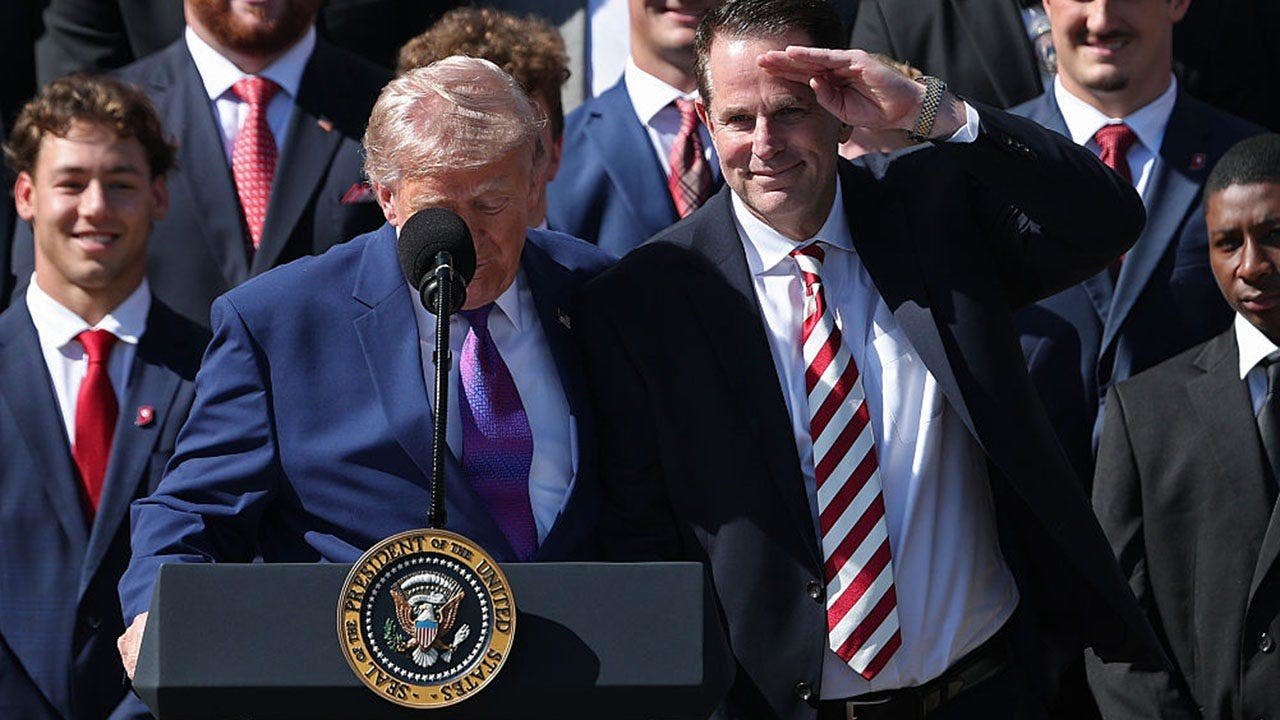
Trump Hosts Indiana Hoosiers at White House as Mendoza Calls In but Skips Visit
The national championship team’s Washington celebration moves ahead, but star quarterback Fernando Mendoza opts out due to NFL rookie obligations, highlighting the clash between college tradition and professional demands.
The White House hosted the Indiana Hoosiers football team to celebrate their 2025 national championship, continuing a long-standing tradition in which collegiate champions are formally honored in Washington.
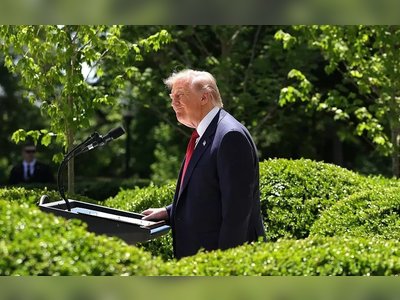
The event was overseen by former President Donald Trump, who welcomed the undefeated squad following its historic season.
The Hoosiers earned their invitation after completing a perfect campaign and winning the College Football Playoff national title, a victory that cemented one of the most successful seasons in program history.
The team’s visit included coaches, staff, and most players, marking a symbolic recognition of their achievement on a national stage.
However, attention quickly focused on the absence of quarterback Fernando Mendoza, the team’s star player and recent Heisman Trophy winner, who was selected first overall in the NFL Draft by the Las Vegas Raiders.
Mendoza did not attend the White House event in person but participated briefly by phone, acknowledging his teammates and the program while remaining away due to professional obligations.
What is confirmed is that Mendoza chose to skip the trip because of scheduling conflicts tied to his rookie transition into the NFL.
He cited organized team activities with the Raiders and the importance of establishing himself within his new team environment as the primary reason for his decision.
His absence reflects the increasingly compressed timeline between college seasons, NFL draft preparation, and professional training camps.
The decision highlights a broader structural tension in modern American football.
College championship celebrations traditionally occur months after the season ends, often overlapping with professional commitments for elite underclassmen who enter the draft early.
As a result, teams frequently face partial participation from top players who have already moved into professional leagues.
Within Indiana’s program, Mendoza’s leadership during the championship season remains central to the team’s success.
He guided the Hoosiers through an undefeated campaign, including key postseason victories that secured the national title.
His departure to the NFL marked the end of a historic collegiate run and the beginning of his professional career.
The White House event proceeded with the remainder of the roster and coaching staff, emphasizing institutional recognition of the team rather than individual participation.
Such visits are typically ceremonial, featuring speeches, photo opportunities, and acknowledgment of championship achievement.
The episode underscores how modern college athletics is increasingly shaped by professional-level timelines and obligations.
As elite players transition faster to the NFL, traditional celebratory rituals are adapting to accommodate competing schedules, leaving some symbolic moments partially incomplete even for championship-winning teams.
The event was overseen by former President Donald Trump, who welcomed the undefeated squad following its historic season.
The Hoosiers earned their invitation after completing a perfect campaign and winning the College Football Playoff national title, a victory that cemented one of the most successful seasons in program history.
The team’s visit included coaches, staff, and most players, marking a symbolic recognition of their achievement on a national stage.
However, attention quickly focused on the absence of quarterback Fernando Mendoza, the team’s star player and recent Heisman Trophy winner, who was selected first overall in the NFL Draft by the Las Vegas Raiders.
Mendoza did not attend the White House event in person but participated briefly by phone, acknowledging his teammates and the program while remaining away due to professional obligations.
What is confirmed is that Mendoza chose to skip the trip because of scheduling conflicts tied to his rookie transition into the NFL.
He cited organized team activities with the Raiders and the importance of establishing himself within his new team environment as the primary reason for his decision.
His absence reflects the increasingly compressed timeline between college seasons, NFL draft preparation, and professional training camps.
The decision highlights a broader structural tension in modern American football.
College championship celebrations traditionally occur months after the season ends, often overlapping with professional commitments for elite underclassmen who enter the draft early.
As a result, teams frequently face partial participation from top players who have already moved into professional leagues.
Within Indiana’s program, Mendoza’s leadership during the championship season remains central to the team’s success.
He guided the Hoosiers through an undefeated campaign, including key postseason victories that secured the national title.
His departure to the NFL marked the end of a historic collegiate run and the beginning of his professional career.
The White House event proceeded with the remainder of the roster and coaching staff, emphasizing institutional recognition of the team rather than individual participation.
Such visits are typically ceremonial, featuring speeches, photo opportunities, and acknowledgment of championship achievement.
The episode underscores how modern college athletics is increasingly shaped by professional-level timelines and obligations.
As elite players transition faster to the NFL, traditional celebratory rituals are adapting to accommodate competing schedules, leaving some symbolic moments partially incomplete even for championship-winning teams.