White HouseSenateThe HouseSupreme CourtFederal ReserveDOJState DepartmentTreasuryCensusBudget OfficeTrade Representative
WashingTone
Informed by Washington, Defined by Insight
Tuesday, May 12, 2026
WashingTone

Lawsuit Targets Reflecting Pool Overhaul Amid Claims of Skipped Historic Review
A nonprofit challenges a Trump-era renovation of the Lincoln Memorial Reflecting Pool, alleging improper contracting and violations of preservation law.
A legal dispute over federal authority in historic preservation has emerged around the Lincoln Memorial Reflecting Pool in Washington, D.C., after a nonprofit filed suit seeking to halt a major renovation project.
The case focuses on whether the government followed legally required procedures before altering one of the capital’s most iconic civic landmarks.
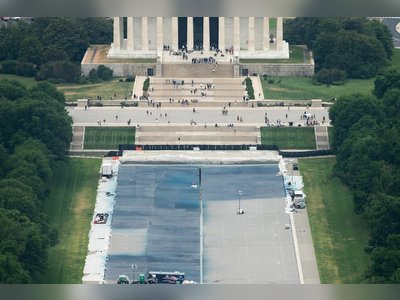
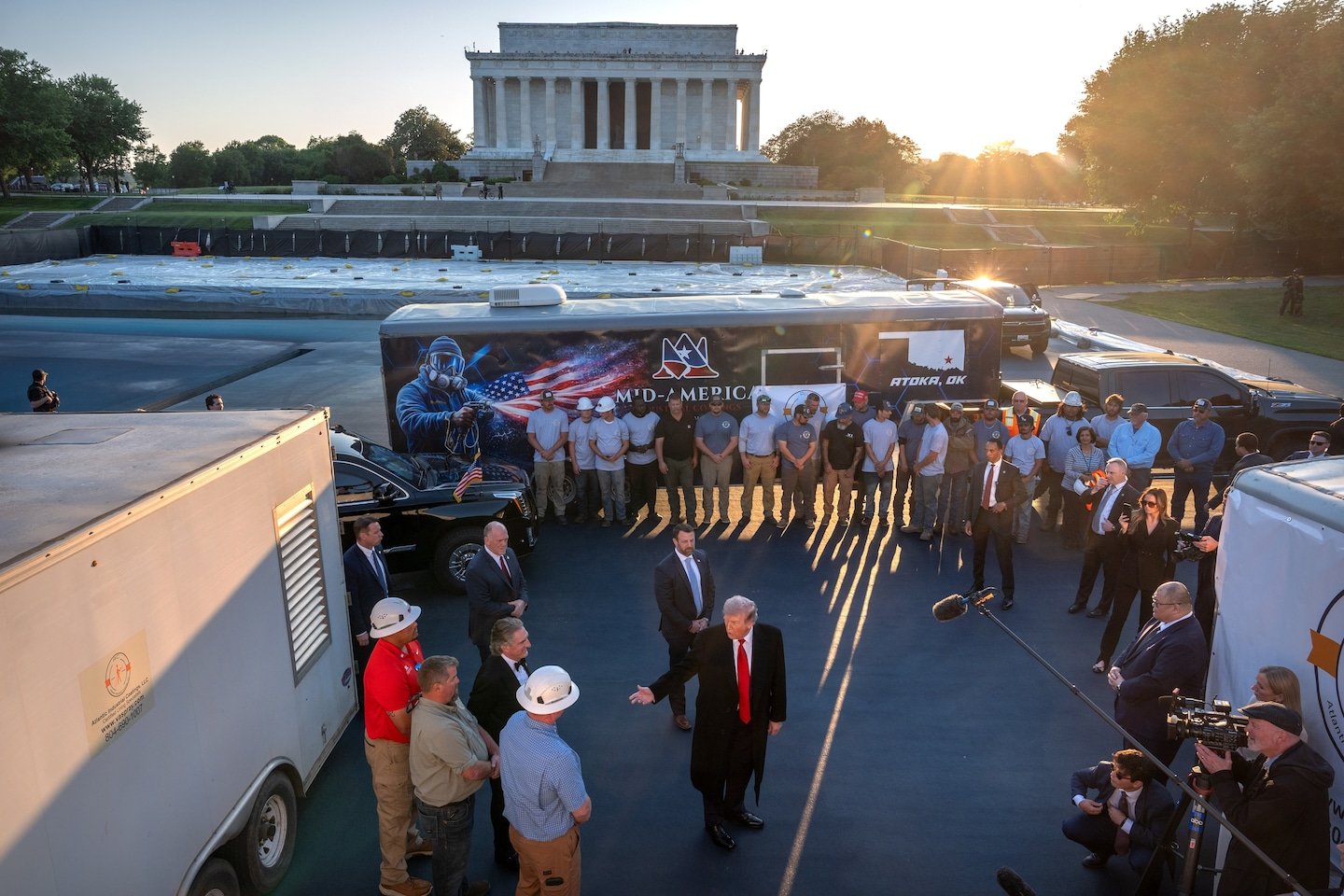
The project involves resurfacing the Reflecting Pool’s basin with a durable industrial coating described as “American flag blue.” The Reflecting Pool sits between the Lincoln Memorial and the Washington Monument and is part of the National Mall’s protected historic landscape.
Its muted stone-gray appearance has long been considered integral to its visual role, designed to emphasize reflection and architectural symmetry rather than color.
The Cultural Landscape Foundation, a preservation organization, argues that the Interior Department and National Park Service failed to comply with the National Historic Preservation Act before beginning construction.
The group claims that required consultations with federal design review bodies, including the Commission of Fine Arts, were not completed prior to work starting.
The lawsuit seeks to pause the project until those processes are followed.
The legal challenge also raises concerns about procurement.
The renovation was awarded through a no-bid contract valued at approximately $6.9 million to a private contractor.
Critics argue that the expedited justification for bypassing competitive bidding does not align with the scope of the project, while supporters say it was necessary to address urgent maintenance issues.
Government officials have defended the renovation as a necessary infrastructure upgrade.
They cite long-standing problems including water leakage, surface degradation, and maintenance inefficiencies.
The administration has also characterized the redesign as part of a broader effort to improve and modernize high-profile public spaces in Washington.
The Reflecting Pool holds significant symbolic and historical importance, having served as a backdrop for major national events, including civil rights demonstrations and presidential commemorations.
Preservation advocates argue that changes to its appearance affect not only aesthetics but also its historical integrity.
The court challenge now centers on whether the renovation can continue while legal proceedings are underway.
The outcome will determine how strictly federal preservation laws and design review requirements apply to executive-led redevelopment projects in nationally protected historic spaces.
The case focuses on whether the government followed legally required procedures before altering one of the capital’s most iconic civic landmarks.
The project involves resurfacing the Reflecting Pool’s basin with a durable industrial coating described as “American flag blue.” The Reflecting Pool sits between the Lincoln Memorial and the Washington Monument and is part of the National Mall’s protected historic landscape.
Its muted stone-gray appearance has long been considered integral to its visual role, designed to emphasize reflection and architectural symmetry rather than color.
The Cultural Landscape Foundation, a preservation organization, argues that the Interior Department and National Park Service failed to comply with the National Historic Preservation Act before beginning construction.
The group claims that required consultations with federal design review bodies, including the Commission of Fine Arts, were not completed prior to work starting.
The lawsuit seeks to pause the project until those processes are followed.
The legal challenge also raises concerns about procurement.
The renovation was awarded through a no-bid contract valued at approximately $6.9 million to a private contractor.
Critics argue that the expedited justification for bypassing competitive bidding does not align with the scope of the project, while supporters say it was necessary to address urgent maintenance issues.
Government officials have defended the renovation as a necessary infrastructure upgrade.
They cite long-standing problems including water leakage, surface degradation, and maintenance inefficiencies.
The administration has also characterized the redesign as part of a broader effort to improve and modernize high-profile public spaces in Washington.
The Reflecting Pool holds significant symbolic and historical importance, having served as a backdrop for major national events, including civil rights demonstrations and presidential commemorations.
Preservation advocates argue that changes to its appearance affect not only aesthetics but also its historical integrity.
The court challenge now centers on whether the renovation can continue while legal proceedings are underway.
The outcome will determine how strictly federal preservation laws and design review requirements apply to executive-led redevelopment projects in nationally protected historic spaces.