White HouseSenateThe HouseSupreme CourtFederal ReserveDOJState DepartmentTreasuryCensusBudget OfficeTrade Representative
WashingTone
Informed by Washington, Defined by Insight
Saturday, Apr 25, 2026
WashingTone

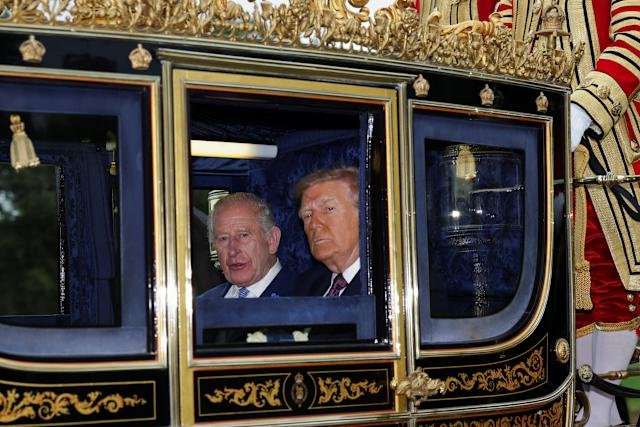
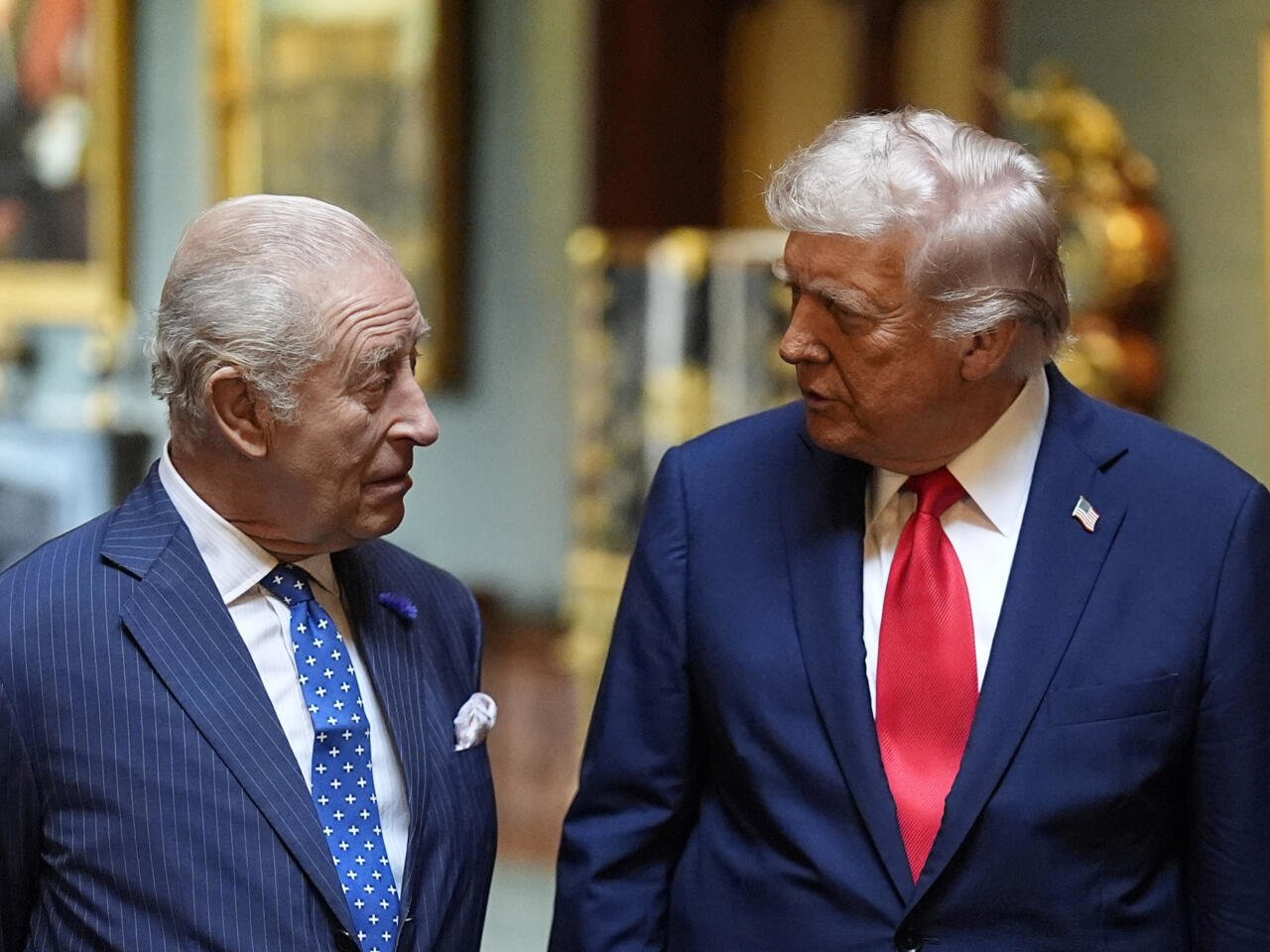
UK Lawmakers Question King Charles’ US State Visit Amid Rising Political Tensions
Opposition figures argue the planned 2026 visit risks legitimising Donald Trump’s foreign policy and deepening diplomatic strain during the Iran conflict
A political dispute in the United Kingdom has intensified over whether King Charles III should proceed with his scheduled state visit to the United States, as lawmakers raise concerns that the trip could be seen as endorsing President Donald Trump’s foreign policy at a moment of heightened international tension.
What is confirmed is that the visit is planned for late April 2026 and is intended to mark the 250th anniversary of American independence.
It would include formal state events in Washington, including a White House dinner hosted by President Trump, alongside additional stops in Virginia and New York.
It would also represent one of the most symbolically significant royal diplomatic engagements since Charles became monarch.
The political controversy is being driven primarily by Britain’s fractured response to the ongoing Iran conflict and the wider strain in UK–US relations.
Several lawmakers, particularly from opposition parties, argue that the visit risks being interpreted as a reward for Trump’s leadership at a time when his administration has faced criticism in the UK over military actions in the Middle East, tariff threats against allies, and increasingly confrontational rhetoric toward Prime Minister Keir Starmer’s government.
The key issue is not the ceremonial nature of the visit itself, but its political interpretation.
Critics argue that a state visit by the British monarch—who serves as head of state and symbol of national continuity—cannot be separated from diplomatic signaling.
They contend that hosting the King in Washington during an active geopolitical crisis could be perceived internationally as validation of US policy decisions, even though the monarchy does not set foreign policy.
Among the most vocal critics is the Liberal Democrat leadership, which has argued that the visit risks handing Trump a symbolic diplomatic victory.
Some Labour MPs have also questioned the timing, suggesting that the trip could place the King in an uncomfortable position if US–UK disagreements over the Iran conflict, trade policy, or military coordination remain unresolved.
Concerns have also been raised that domestic British public opinion is divided, with polling showing significant opposition to the visit proceeding under current global conditions.
Supporters of the visit within government and diplomatic circles argue the opposite: that maintaining high-level ceremonial engagement is a stabilising force in a volatile alliance.
They point to the strategic importance of the US–UK relationship in defence, intelligence sharing, and trade, and argue that the monarchy provides a non-partisan channel for continuity even when elected governments are politically misaligned.
The dispute has also exposed a structural tension in the constitutional role of the monarchy.
While state visits are conducted on government advice, they carry symbolic weight that can influence perceptions of political alignment.
This creates a grey zone where ceremonial diplomacy intersects with real-time geopolitical disputes, particularly when the host nation is led by a polarising figure.
The immediate consequence is that preparations for the visit continue despite sustained political pressure to reconsider or delay it.
Officials have not indicated any change in schedule, and planning for high-level ceremonies in Washington remains underway, keeping the UK–US diplomatic agenda on track even as domestic debate intensifies over whether the timing is politically appropriate.
What is confirmed is that the visit is planned for late April 2026 and is intended to mark the 250th anniversary of American independence.
It would include formal state events in Washington, including a White House dinner hosted by President Trump, alongside additional stops in Virginia and New York.
It would also represent one of the most symbolically significant royal diplomatic engagements since Charles became monarch.
The political controversy is being driven primarily by Britain’s fractured response to the ongoing Iran conflict and the wider strain in UK–US relations.
Several lawmakers, particularly from opposition parties, argue that the visit risks being interpreted as a reward for Trump’s leadership at a time when his administration has faced criticism in the UK over military actions in the Middle East, tariff threats against allies, and increasingly confrontational rhetoric toward Prime Minister Keir Starmer’s government.
The key issue is not the ceremonial nature of the visit itself, but its political interpretation.
Critics argue that a state visit by the British monarch—who serves as head of state and symbol of national continuity—cannot be separated from diplomatic signaling.
They contend that hosting the King in Washington during an active geopolitical crisis could be perceived internationally as validation of US policy decisions, even though the monarchy does not set foreign policy.
Among the most vocal critics is the Liberal Democrat leadership, which has argued that the visit risks handing Trump a symbolic diplomatic victory.
Some Labour MPs have also questioned the timing, suggesting that the trip could place the King in an uncomfortable position if US–UK disagreements over the Iran conflict, trade policy, or military coordination remain unresolved.
Concerns have also been raised that domestic British public opinion is divided, with polling showing significant opposition to the visit proceeding under current global conditions.
Supporters of the visit within government and diplomatic circles argue the opposite: that maintaining high-level ceremonial engagement is a stabilising force in a volatile alliance.
They point to the strategic importance of the US–UK relationship in defence, intelligence sharing, and trade, and argue that the monarchy provides a non-partisan channel for continuity even when elected governments are politically misaligned.
The dispute has also exposed a structural tension in the constitutional role of the monarchy.
While state visits are conducted on government advice, they carry symbolic weight that can influence perceptions of political alignment.
This creates a grey zone where ceremonial diplomacy intersects with real-time geopolitical disputes, particularly when the host nation is led by a polarising figure.
The immediate consequence is that preparations for the visit continue despite sustained political pressure to reconsider or delay it.
Officials have not indicated any change in schedule, and planning for high-level ceremonies in Washington remains underway, keeping the UK–US diplomatic agenda on track even as domestic debate intensifies over whether the timing is politically appropriate.