White HouseSenateThe HouseSupreme CourtFederal ReserveDOJState DepartmentTreasuryCensusBudget OfficeTrade Representative
WashingTone
Informed by Washington, Defined by Insight
Saturday, Apr 25, 2026
WashingTone

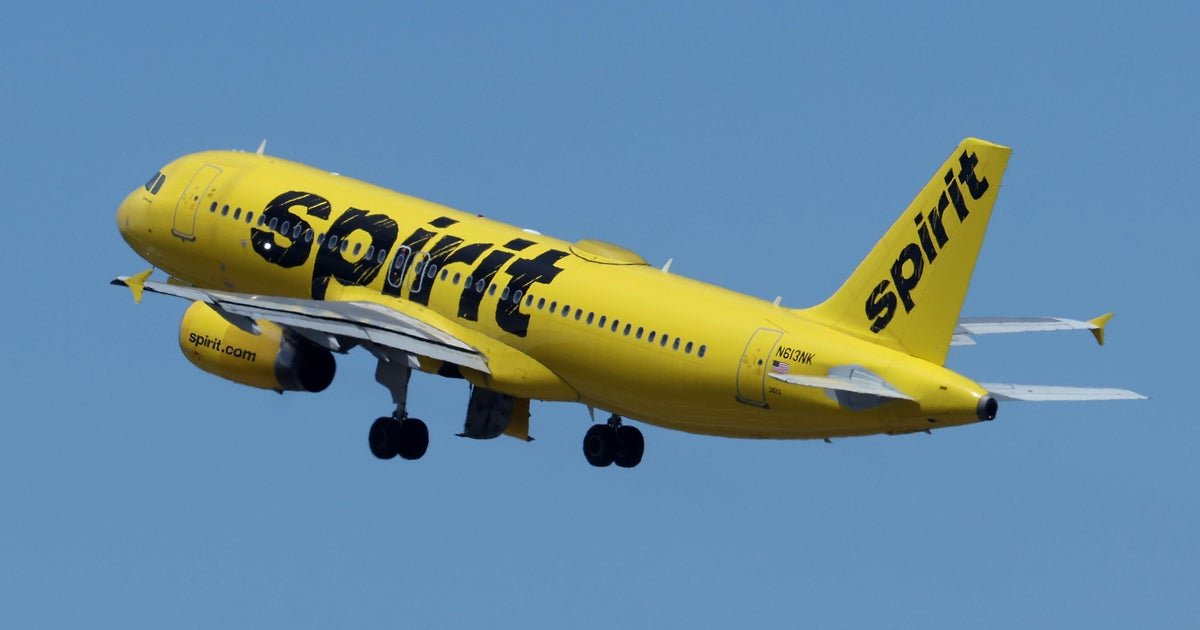
White House Explores Defense Production Act Role in Spirit Airlines Rescue as Bankruptcy Pressure Mounts
The administration is weighing an unusual federal intervention that could restructure Spirit Airlines, combine bailout lending with defense use of aircraft, and reshape airline ownership norms in bankruptcy law
A SYSTEM-DRIVEN intervention is emerging at the intersection of aviation policy, bankruptcy law, and national defense planning, as the White House explores whether the Defense Production Act could be used to stabilize Spirit Airlines during its financial collapse.
What is confirmed is that senior administration officials are actively discussing a plan that would use emergency federal powers to support Spirit Airlines while it undergoes bankruptcy proceedings.
The airline has already entered bankruptcy twice within two years and is facing renewed doubts about its ability to continue operating after missing key financial obligations and warning signals from creditors.
The Defense Production Act is a Cold War-era law designed to allow the federal government to direct or support private industry in ways that strengthen national security supply chains.
In this case, officials are examining whether its loan authority could be used to provide liquidity to Spirit Airlines under the argument that domestic air transport capacity has strategic value, particularly for military logistics.
The structure under consideration is not a simple bailout.
It reportedly involves a federal loan of around five hundred million dollars, with the government positioned as a senior creditor in bankruptcy proceedings.
In parallel, the state could receive equity-like claims that would give it a dominant ownership stake if the airline emerges from restructuring.
This would effectively place the government in a controlling financial position without an immediate full nationalization.
A key operational component of the proposal is the potential use of Spirit Airlines aircraft for defense-related transport.
The Pentagon would be able to access the airline’s unused capacity for moving troops or cargo if required.
This blurs the line between civilian airline infrastructure and military logistics, effectively treating commercial aircraft as surge capacity for national defense.
Spirit Airlines’ financial condition is central to the urgency of the discussion.
The carrier has struggled with repeated bankruptcies, rising operating costs, and pressure from creditors who have questioned its viability.
Industry-wide fuel price volatility and competitive pressures have intensified those problems, leaving the airline with limited room to recover through standard restructuring alone.
The broader implication of the plan is structural rather than corporate.
It would represent one of the most direct uses of federal industrial policy tools in a commercial aviation bankruptcy in recent years.
While the Defense Production Act has been used historically for supply chain stabilization and wartime production needs, its application to airline restructuring would expand its reach into the aviation market itself.
Inside the administration, there is reported disagreement over the approach.
Some officials view intervention as a way to preserve jobs and prevent liquidation of a major low-cost carrier.
Others argue that it risks distorting bankruptcy markets and delaying an inevitable failure, potentially exposing taxpayers to long-term financial risk if the airline cannot recover.
Spirit Airlines’ fate would ultimately depend on creditor approval and the feasibility of converting federal support into a sustainable restructuring plan.
If implemented, the proposal would leave the federal government not only as a lender of last resort but as a central stakeholder in the operational future of a commercial airline under court supervision.
What is confirmed is that senior administration officials are actively discussing a plan that would use emergency federal powers to support Spirit Airlines while it undergoes bankruptcy proceedings.
The airline has already entered bankruptcy twice within two years and is facing renewed doubts about its ability to continue operating after missing key financial obligations and warning signals from creditors.
The Defense Production Act is a Cold War-era law designed to allow the federal government to direct or support private industry in ways that strengthen national security supply chains.
In this case, officials are examining whether its loan authority could be used to provide liquidity to Spirit Airlines under the argument that domestic air transport capacity has strategic value, particularly for military logistics.
The structure under consideration is not a simple bailout.
It reportedly involves a federal loan of around five hundred million dollars, with the government positioned as a senior creditor in bankruptcy proceedings.
In parallel, the state could receive equity-like claims that would give it a dominant ownership stake if the airline emerges from restructuring.
This would effectively place the government in a controlling financial position without an immediate full nationalization.
A key operational component of the proposal is the potential use of Spirit Airlines aircraft for defense-related transport.
The Pentagon would be able to access the airline’s unused capacity for moving troops or cargo if required.
This blurs the line between civilian airline infrastructure and military logistics, effectively treating commercial aircraft as surge capacity for national defense.
Spirit Airlines’ financial condition is central to the urgency of the discussion.
The carrier has struggled with repeated bankruptcies, rising operating costs, and pressure from creditors who have questioned its viability.
Industry-wide fuel price volatility and competitive pressures have intensified those problems, leaving the airline with limited room to recover through standard restructuring alone.
The broader implication of the plan is structural rather than corporate.
It would represent one of the most direct uses of federal industrial policy tools in a commercial aviation bankruptcy in recent years.
While the Defense Production Act has been used historically for supply chain stabilization and wartime production needs, its application to airline restructuring would expand its reach into the aviation market itself.
Inside the administration, there is reported disagreement over the approach.
Some officials view intervention as a way to preserve jobs and prevent liquidation of a major low-cost carrier.
Others argue that it risks distorting bankruptcy markets and delaying an inevitable failure, potentially exposing taxpayers to long-term financial risk if the airline cannot recover.
Spirit Airlines’ fate would ultimately depend on creditor approval and the feasibility of converting federal support into a sustainable restructuring plan.
If implemented, the proposal would leave the federal government not only as a lender of last resort but as a central stakeholder in the operational future of a commercial airline under court supervision.