White HouseSenateThe HouseSupreme CourtFederal ReserveDOJState DepartmentTreasuryCensusBudget OfficeTrade Representative
WashingTone
Informed by Washington, Defined by Insight
Friday, May 15, 2026
WashingTone

White House Officials Take Stage at Christian Prayer Festival, Highlighting Faith’s Growing Political Visibility
Senior U.S. officials, including Marco Rubio and Pete Hegseth, participate in a high-profile religious gathering as debates over religion and governance resurface
The participation of senior United States officials in a major Christian prayer festival reflects a broader political and institutional dynamic in which public expressions of faith by government figures are increasingly intertwined with national political messaging.
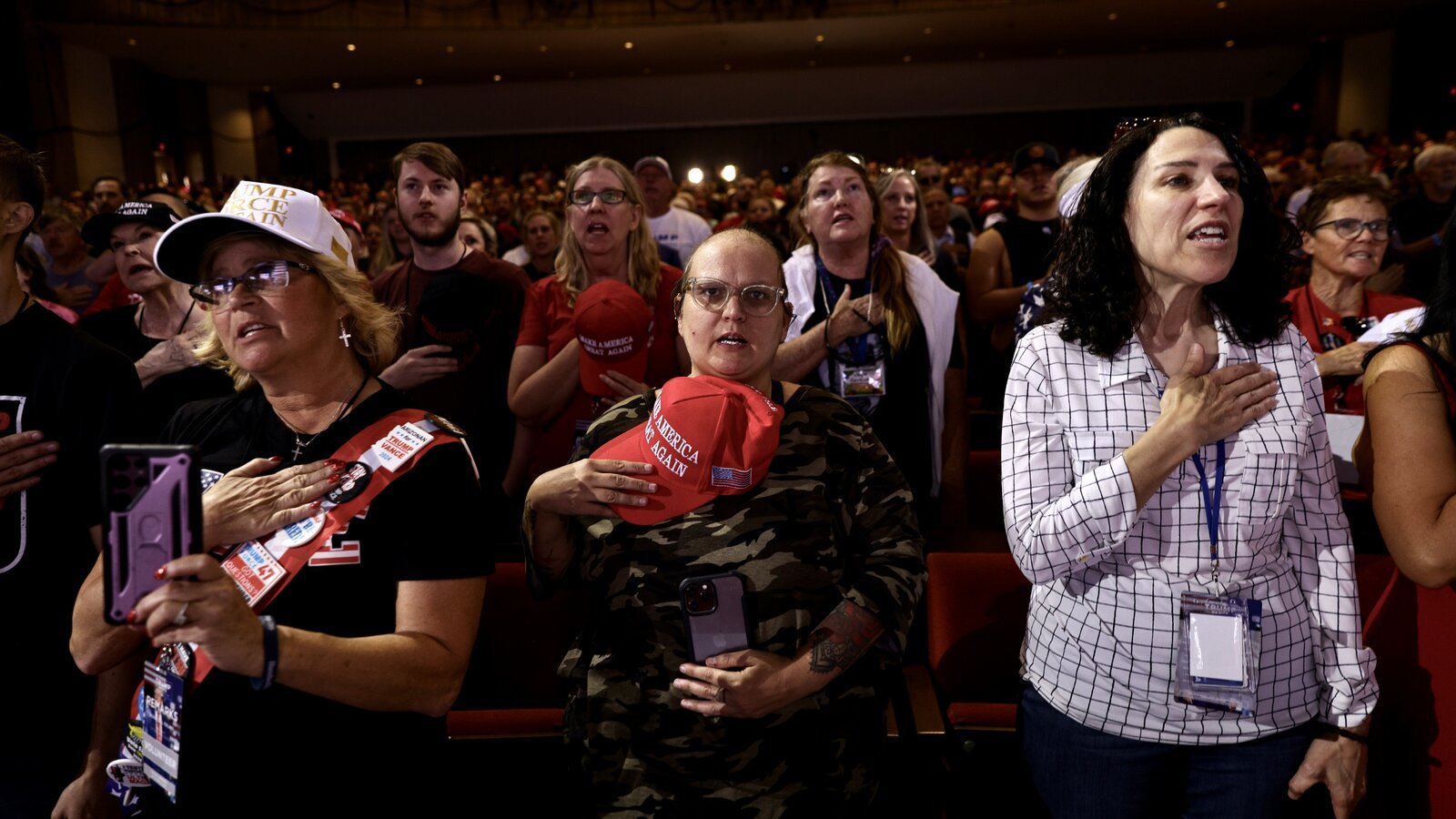
The event, which brought together religious leaders, political figures, and supporters in a large-scale worship setting, placed prominent administration-linked officials on a public stage typically associated with religious rather than governmental authority.
What is confirmed is that figures including Marco Rubio and Pete Hegseth were scheduled speakers at the festival, joining a lineup that blends religious leadership with political commentary.
Their presence underscores a deliberate engagement with faith-based constituencies that have long been influential in American electoral politics, particularly within conservative voting blocs.
The event itself functions as both a religious gathering and a platform for civic and cultural messaging, where themes of national identity, morality, and governance often intersect.
The mechanism driving the significance of this development lies in the evolving relationship between political institutions and faith-based mobilization in the United States.
While religious expression by public officials is not new, the scale and visibility of participation in organized religious festivals by senior government figures highlights an ongoing shift in how political communication is conducted.
These appearances serve not only as personal expressions of belief but also as signals to key demographic and ideological groups.
Supporters of such engagement view it as a legitimate acknowledgment of the role religious communities play in civil society and democratic participation.
They argue that public officials sharing faith-oriented messages strengthens cultural cohesion and reflects the values of a significant portion of the electorate.
Critics, however, raise concerns about the blurring of boundaries between state authority and religious endorsement, pointing to the constitutional principle of separation between church and state as a guiding framework for public office.
The broader political context includes heightened polarization over cultural and identity issues in the United States, where religious affiliation often overlaps with partisan alignment.
In this environment, appearances at faith-based events can carry implications beyond personal belief, functioning as strategic communication with targeted voter bases.
This dynamic has become increasingly visible across multiple administrations, though the tone and frequency of such engagements vary depending on political strategy and leadership style.
The event also reflects the continued organizational strength of large-scale evangelical and Christian networks in shaping public discourse.
These networks frequently host conferences, festivals, and media platforms that attract national attention and provide access points for political engagement.
As a result, participation by senior officials is often interpreted through both religious and electoral lenses.
The immediate consequence of such high-profile involvement is heightened scrutiny over how public officials balance personal faith, political messaging, and institutional neutrality.
As the United States moves deeper into an election-sensitive political cycle, these appearances are likely to remain a focal point in broader debates over the role of religion in public life and governance.
The event, which brought together religious leaders, political figures, and supporters in a large-scale worship setting, placed prominent administration-linked officials on a public stage typically associated with religious rather than governmental authority.
What is confirmed is that figures including Marco Rubio and Pete Hegseth were scheduled speakers at the festival, joining a lineup that blends religious leadership with political commentary.
Their presence underscores a deliberate engagement with faith-based constituencies that have long been influential in American electoral politics, particularly within conservative voting blocs.
The event itself functions as both a religious gathering and a platform for civic and cultural messaging, where themes of national identity, morality, and governance often intersect.
The mechanism driving the significance of this development lies in the evolving relationship between political institutions and faith-based mobilization in the United States.
While religious expression by public officials is not new, the scale and visibility of participation in organized religious festivals by senior government figures highlights an ongoing shift in how political communication is conducted.
These appearances serve not only as personal expressions of belief but also as signals to key demographic and ideological groups.
Supporters of such engagement view it as a legitimate acknowledgment of the role religious communities play in civil society and democratic participation.
They argue that public officials sharing faith-oriented messages strengthens cultural cohesion and reflects the values of a significant portion of the electorate.
Critics, however, raise concerns about the blurring of boundaries between state authority and religious endorsement, pointing to the constitutional principle of separation between church and state as a guiding framework for public office.
The broader political context includes heightened polarization over cultural and identity issues in the United States, where religious affiliation often overlaps with partisan alignment.
In this environment, appearances at faith-based events can carry implications beyond personal belief, functioning as strategic communication with targeted voter bases.
This dynamic has become increasingly visible across multiple administrations, though the tone and frequency of such engagements vary depending on political strategy and leadership style.
The event also reflects the continued organizational strength of large-scale evangelical and Christian networks in shaping public discourse.
These networks frequently host conferences, festivals, and media platforms that attract national attention and provide access points for political engagement.
As a result, participation by senior officials is often interpreted through both religious and electoral lenses.
The immediate consequence of such high-profile involvement is heightened scrutiny over how public officials balance personal faith, political messaging, and institutional neutrality.
As the United States moves deeper into an election-sensitive political cycle, these appearances are likely to remain a focal point in broader debates over the role of religion in public life and governance.