White HouseSenateThe HouseSupreme CourtFederal ReserveDOJState DepartmentTreasuryCensusBudget OfficeTrade Representative
WashingTone
Informed by Washington, Defined by Insight
Friday, May 15, 2026
WashingTone

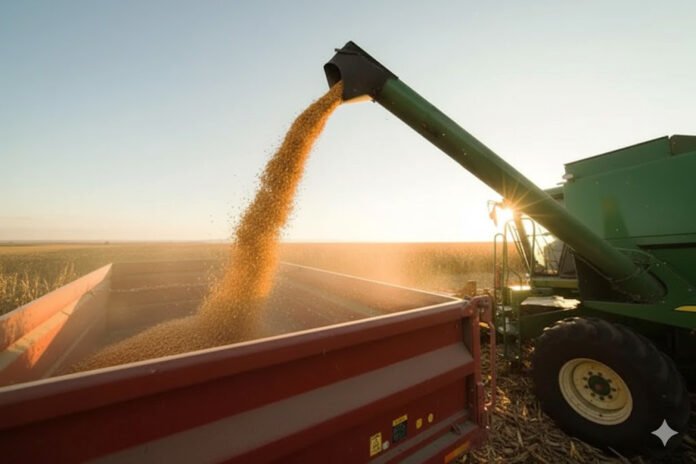
Thailand’s U.S. Corn Import Deal Could Reopen a Long-Closed Agricultural Trade Channel
A proposed memorandum of understanding may reshape grain supply chains, revive American corn exports to Thailand, and intensify regional competition in Southeast Asia’s feed market
SYSTEM-DRIVEN trade policy dynamics are shaping renewed agricultural negotiations between Thailand and the United States, centered on a proposed memorandum of understanding that could reopen Thailand’s market to U.S. corn exports after years of limited or no large-scale access.
What is confirmed is that discussions have focused on a formal framework intended to facilitate agricultural trade cooperation, particularly in corn, a key input for animal feed production.
Thailand’s domestic feed industry is structurally dependent on corn imports, but policy has historically prioritized protection of local farmers through import controls, seasonal restrictions, and tariff mechanisms designed to stabilize domestic prices.
The potential agreement is not yet a finalized trade treaty but a policy-level arrangement that could signal regulatory easing or coordinated import scheduling.
In practical terms, such a memorandum would not automatically eliminate barriers but would create a structured pathway for increased U.S. agricultural exports into Thailand’s feed supply chain, particularly for poultry and livestock production.
The mechanism at the center of the dispute is supply balancing.
Thailand operates a dual-interest system: it seeks to protect domestic corn producers while also ensuring sufficient low-cost feed inputs for its large poultry and livestock export industries.
The United States, as one of the world’s largest corn exporters, has long sought expanded access to Asian feed markets where demand is driven by rising meat consumption.
If implemented, the agreement could alter pricing dynamics in Thailand’s animal feed sector.
U.S. corn typically competes on scale, consistency, and export capacity, while Thai producers rely on domestic output supplemented by imports from regional suppliers.
A shift toward greater U.S. participation would increase competitive pressure on regional exporters and potentially stabilize input costs for Thai feed manufacturers.
The broader regional implication is intensified competition among corn-exporting countries in Southeast Asia.
Countries such as Thailand, Vietnam, and Indonesia manage agricultural import policies not only as economic tools but also as social stability mechanisms, given the political sensitivity of rural farming incomes.
Any adjustment in import policy therefore carries both economic and political consequences.
The negotiations also reflect a wider recalibration of agricultural trade relationships as global supply chains adapt to volatility in shipping costs, climate-related crop disruptions, and shifting demand patterns in protein consumption.
Corn, as a foundational feed grain, sits at the center of these adjustments, linking U.S. agricultural surplus production with Asian livestock demand growth.
For Thailand, the decision will ultimately hinge on balancing three competing pressures: protecting domestic farmers, maintaining competitive feed prices for export-oriented livestock producers, and managing diplomatic and trade relationships with major partners.
The memorandum, if finalized, would represent a structured attempt to reconcile these competing interests rather than a full liberalization of the market.
The outcome will determine whether U.S. corn regains a stable foothold in Thailand’s import system or remains constrained by protective agricultural policy, with direct consequences for feed pricing, regional grain trade flows, and the competitiveness of Thailand’s livestock export industry.
What is confirmed is that discussions have focused on a formal framework intended to facilitate agricultural trade cooperation, particularly in corn, a key input for animal feed production.
Thailand’s domestic feed industry is structurally dependent on corn imports, but policy has historically prioritized protection of local farmers through import controls, seasonal restrictions, and tariff mechanisms designed to stabilize domestic prices.
The potential agreement is not yet a finalized trade treaty but a policy-level arrangement that could signal regulatory easing or coordinated import scheduling.
In practical terms, such a memorandum would not automatically eliminate barriers but would create a structured pathway for increased U.S. agricultural exports into Thailand’s feed supply chain, particularly for poultry and livestock production.
The mechanism at the center of the dispute is supply balancing.
Thailand operates a dual-interest system: it seeks to protect domestic corn producers while also ensuring sufficient low-cost feed inputs for its large poultry and livestock export industries.
The United States, as one of the world’s largest corn exporters, has long sought expanded access to Asian feed markets where demand is driven by rising meat consumption.
If implemented, the agreement could alter pricing dynamics in Thailand’s animal feed sector.
U.S. corn typically competes on scale, consistency, and export capacity, while Thai producers rely on domestic output supplemented by imports from regional suppliers.
A shift toward greater U.S. participation would increase competitive pressure on regional exporters and potentially stabilize input costs for Thai feed manufacturers.
The broader regional implication is intensified competition among corn-exporting countries in Southeast Asia.
Countries such as Thailand, Vietnam, and Indonesia manage agricultural import policies not only as economic tools but also as social stability mechanisms, given the political sensitivity of rural farming incomes.
Any adjustment in import policy therefore carries both economic and political consequences.
The negotiations also reflect a wider recalibration of agricultural trade relationships as global supply chains adapt to volatility in shipping costs, climate-related crop disruptions, and shifting demand patterns in protein consumption.
Corn, as a foundational feed grain, sits at the center of these adjustments, linking U.S. agricultural surplus production with Asian livestock demand growth.
For Thailand, the decision will ultimately hinge on balancing three competing pressures: protecting domestic farmers, maintaining competitive feed prices for export-oriented livestock producers, and managing diplomatic and trade relationships with major partners.
The memorandum, if finalized, would represent a structured attempt to reconcile these competing interests rather than a full liberalization of the market.
The outcome will determine whether U.S. corn regains a stable foothold in Thailand’s import system or remains constrained by protective agricultural policy, with direct consequences for feed pricing, regional grain trade flows, and the competitiveness of Thailand’s livestock export industry.