White HouseSenateThe HouseSupreme CourtFederal ReserveDOJState DepartmentTreasuryCensusBudget OfficeTrade Representative
WashingTone
Informed by Washington, Defined by Insight
Friday, May 15, 2026
WashingTone

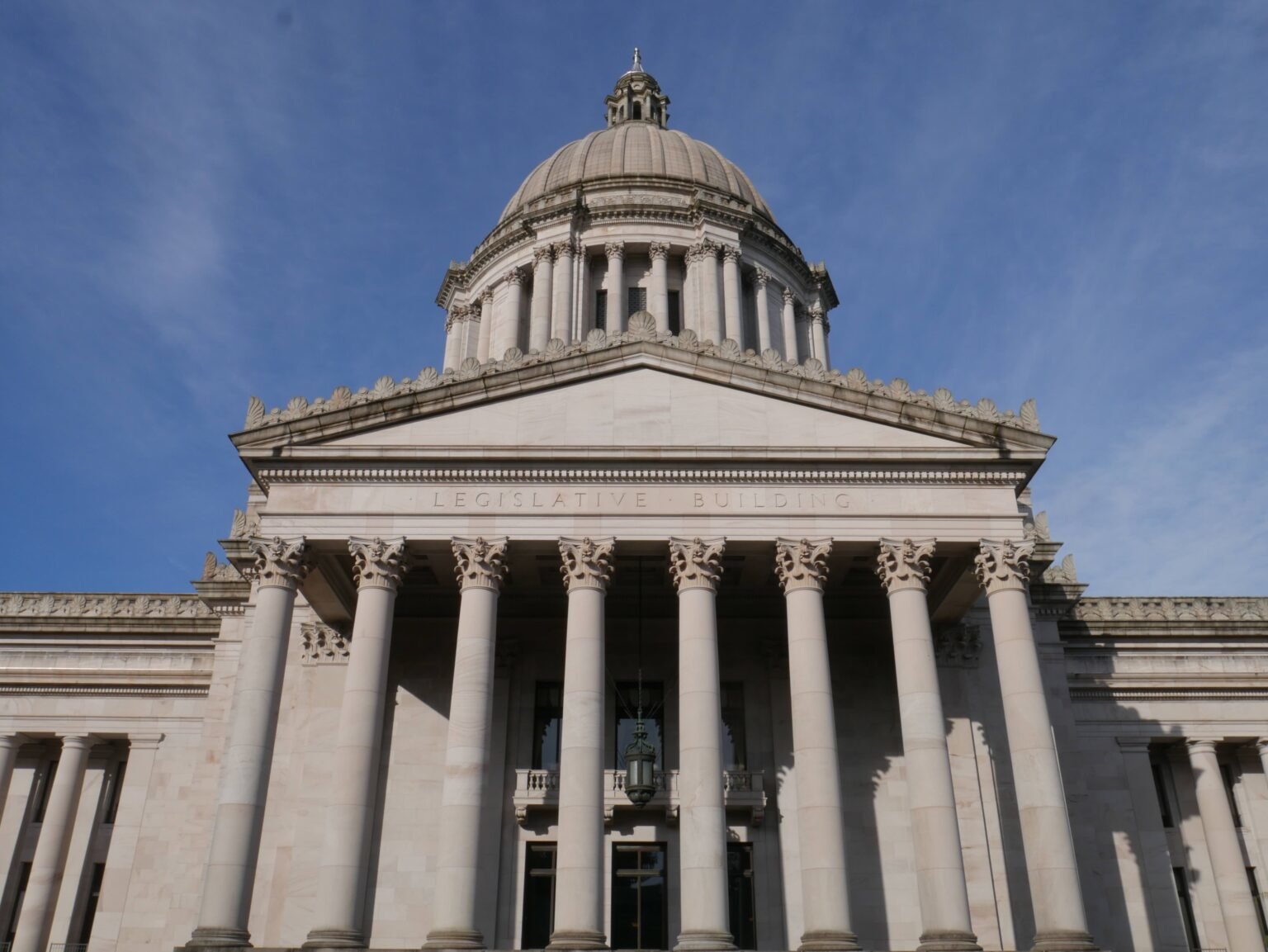
Legal Challenge Targets Washington State Legislative District Maps
A federal court is being asked to invalidate state legislative boundaries, raising questions over redistricting standards and electoral representation in Washington.
A system-driven legal dispute over electoral redistricting in Washington state has escalated as plaintiffs seek to have the state’s current legislative district maps struck down by a federal judge, arguing that the boundaries fail to meet required legal standards for fair representation.
The case centers on how state legislative districts were drawn following the most recent redistricting cycle, a process that occurs periodically to reflect population changes recorded in the census.
Redistricting determines how voters are grouped into districts for state elections, directly influencing political balance in legislatures and the weight of individual votes across regions.
At the heart of the challenge is the claim that the existing map does not adequately comply with federal requirements governing equal representation and voting fairness.
Such cases typically examine whether districts were drawn in a way that unlawfully dilutes voting strength, creates unequal population distribution between districts, or improperly considers political or demographic factors.
Washington’s legislative maps were produced through a state-level redistricting process designed to limit partisan manipulation by delegating drawing authority to a bipartisan or independent commission structure.
However, even maps produced under reform-oriented systems can face legal challenges if opponents argue that constitutional or statutory standards were not properly applied.
If a federal court were to agree with the plaintiffs, the consequences could include forcing the state to redraw its legislative districts before future elections or requiring interim adjustments overseen by a court-appointed process.
Such interventions are rare but can significantly disrupt election planning, candidate filing timelines, and voter district assignments.
The case also reflects a broader national pattern in which redistricting outcomes are increasingly litigated after each census cycle.
Across multiple states, disputes over district boundaries have become a recurring feature of election law, reflecting deep political and legal disagreement over how representation should be structured in closely divided electorates.
The immediate impact of the Washington challenge is procedural: it places the state’s legislative map under judicial review and introduces uncertainty into how future elections may be conducted if changes are ordered.
The broader implication is continued judicial involvement in defining the boundaries of political representation in a system where redistricting remains one of the most consequential and contested elements of electoral governance.
The case centers on how state legislative districts were drawn following the most recent redistricting cycle, a process that occurs periodically to reflect population changes recorded in the census.
Redistricting determines how voters are grouped into districts for state elections, directly influencing political balance in legislatures and the weight of individual votes across regions.
At the heart of the challenge is the claim that the existing map does not adequately comply with federal requirements governing equal representation and voting fairness.
Such cases typically examine whether districts were drawn in a way that unlawfully dilutes voting strength, creates unequal population distribution between districts, or improperly considers political or demographic factors.
Washington’s legislative maps were produced through a state-level redistricting process designed to limit partisan manipulation by delegating drawing authority to a bipartisan or independent commission structure.
However, even maps produced under reform-oriented systems can face legal challenges if opponents argue that constitutional or statutory standards were not properly applied.
If a federal court were to agree with the plaintiffs, the consequences could include forcing the state to redraw its legislative districts before future elections or requiring interim adjustments overseen by a court-appointed process.
Such interventions are rare but can significantly disrupt election planning, candidate filing timelines, and voter district assignments.
The case also reflects a broader national pattern in which redistricting outcomes are increasingly litigated after each census cycle.
Across multiple states, disputes over district boundaries have become a recurring feature of election law, reflecting deep political and legal disagreement over how representation should be structured in closely divided electorates.
The immediate impact of the Washington challenge is procedural: it places the state’s legislative map under judicial review and introduces uncertainty into how future elections may be conducted if changes are ordered.
The broader implication is continued judicial involvement in defining the boundaries of political representation in a system where redistricting remains one of the most consequential and contested elements of electoral governance.