White HouseSenateThe HouseSupreme CourtFederal ReserveDOJState DepartmentTreasuryCensusBudget OfficeTrade Representative
WashingTone
Informed by Washington, Defined by Insight
Friday, May 15, 2026
WashingTone

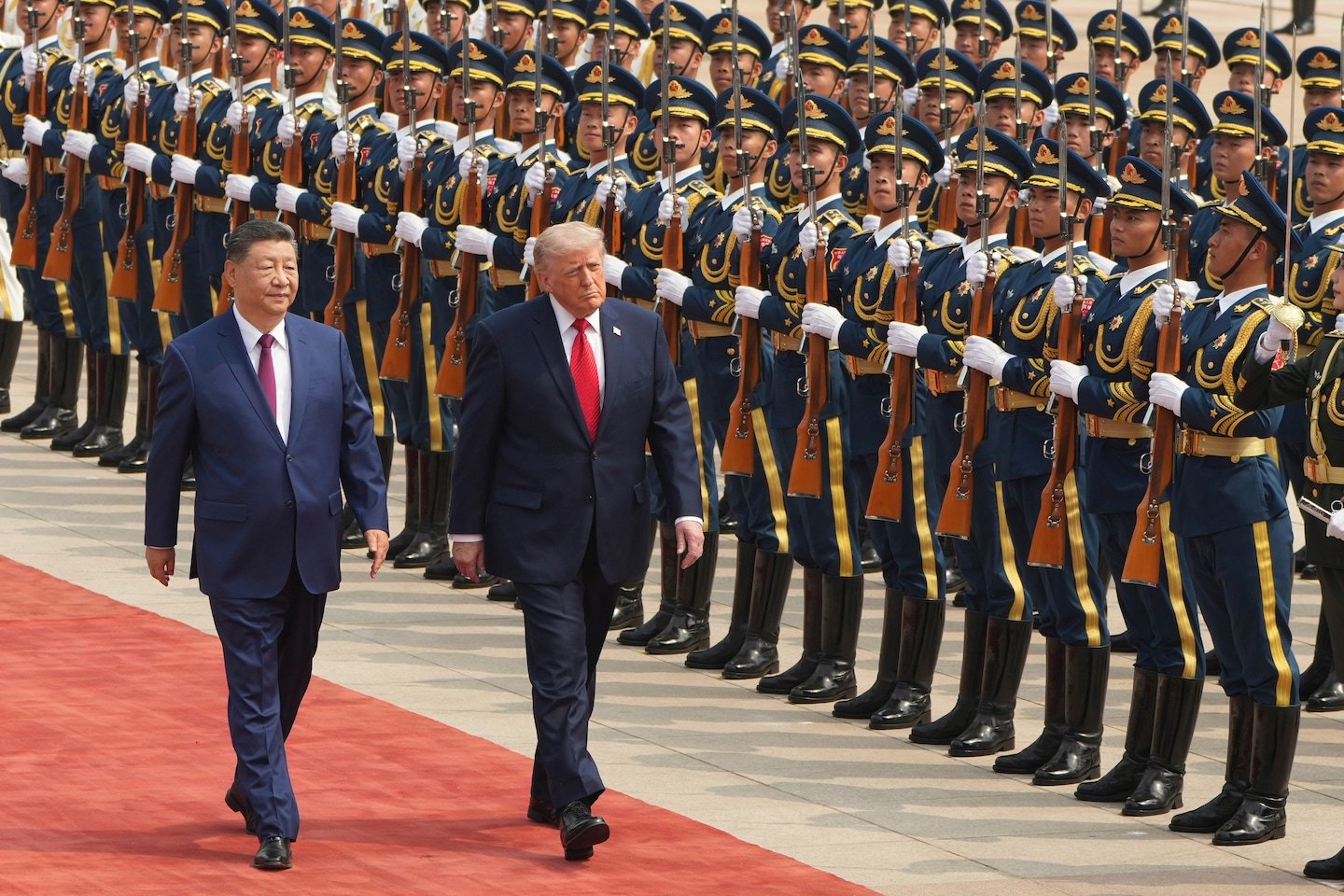
Xi Warns Washington Over Taiwan as US-China Tensions Deepen
Chinese leadership signals risks of military escalation if Taiwan policy is mishandled, underscoring growing strategic confrontation with the United States.
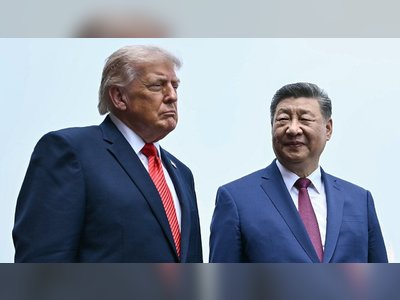
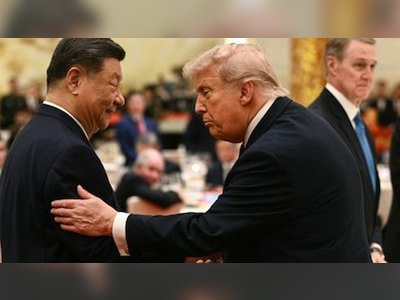
A system-driven escalation in US–China strategic competition has sharpened after Chinese President Xi Jinping issued a warning that mishandling Taiwan could trigger “conflicts,” reinforcing the island’s position as the central flashpoint in relations between Beijing and Washington.
The statement reflects Beijing’s long-standing position that Taiwan is a core national sovereignty issue and not subject to foreign interference.
China considers the island a breakaway province and has not ruled out the use of force to achieve unification.
The United States, while not formally recognizing Taiwan as an independent state, maintains security commitments under the Taiwan Relations Act, including arms sales and strategic ambiguity over direct military intervention.
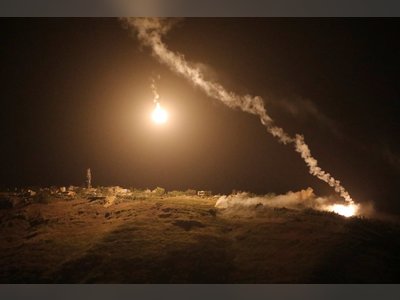
Xi’s warning comes amid heightened military activity in the Taiwan Strait, where China has increased air and naval operations near the island in recent years.
These maneuvers are widely interpreted as pressure tactics designed to deter formal moves toward independence in Taipei and to signal capability to enforce a blockade or rapid escalation scenario if necessary.
At the same time, Washington has strengthened security coordination with regional allies in the Indo-Pacific, including Japan, the Philippines, and Australia.
These moves are aimed at reinforcing deterrence and maintaining open maritime routes in a region central to global trade and semiconductor supply chains.
Taiwan itself remains a critical node in the global technology economy, producing a significant share of advanced semiconductor chips.
Any military conflict in the Taiwan Strait would have immediate and severe consequences for global manufacturing, financial markets, and supply chain stability, making the issue one of the most sensitive geopolitical fault lines in the world.
The warning highlights the structural nature of the dispute: it is not driven by a single incident but by competing political systems, sovereignty claims, and security doctrines that have steadily hardened over decades.
China views external support for Taiwan as erosion of its territorial integrity, while the United States frames its actions as preserving regional stability and preventing unilateral change to the status quo.
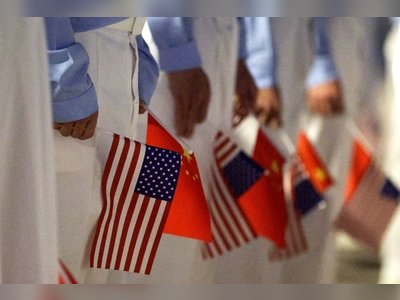
The immediate implication is an increase in diplomatic pressure and signaling between Beijing and Washington, with Taiwan remaining the central variable in an already strained relationship.
The longer-term trajectory points to continued military modernization, alliance building, and crisis management efforts on both sides aimed at preventing confrontation while preparing for potential escalation scenarios.
The statement reflects Beijing’s long-standing position that Taiwan is a core national sovereignty issue and not subject to foreign interference.
China considers the island a breakaway province and has not ruled out the use of force to achieve unification.
The United States, while not formally recognizing Taiwan as an independent state, maintains security commitments under the Taiwan Relations Act, including arms sales and strategic ambiguity over direct military intervention.
Xi’s warning comes amid heightened military activity in the Taiwan Strait, where China has increased air and naval operations near the island in recent years.
These maneuvers are widely interpreted as pressure tactics designed to deter formal moves toward independence in Taipei and to signal capability to enforce a blockade or rapid escalation scenario if necessary.
At the same time, Washington has strengthened security coordination with regional allies in the Indo-Pacific, including Japan, the Philippines, and Australia.
These moves are aimed at reinforcing deterrence and maintaining open maritime routes in a region central to global trade and semiconductor supply chains.
Taiwan itself remains a critical node in the global technology economy, producing a significant share of advanced semiconductor chips.
Any military conflict in the Taiwan Strait would have immediate and severe consequences for global manufacturing, financial markets, and supply chain stability, making the issue one of the most sensitive geopolitical fault lines in the world.
The warning highlights the structural nature of the dispute: it is not driven by a single incident but by competing political systems, sovereignty claims, and security doctrines that have steadily hardened over decades.
China views external support for Taiwan as erosion of its territorial integrity, while the United States frames its actions as preserving regional stability and preventing unilateral change to the status quo.
The immediate implication is an increase in diplomatic pressure and signaling between Beijing and Washington, with Taiwan remaining the central variable in an already strained relationship.
The longer-term trajectory points to continued military modernization, alliance building, and crisis management efforts on both sides aimed at preventing confrontation while preparing for potential escalation scenarios.