White HouseSenateThe HouseSupreme CourtFederal ReserveDOJState DepartmentTreasuryCensusBudget OfficeTrade Representative
WashingTone
Informed by Washington, Defined by Insight
Friday, May 15, 2026
WashingTone

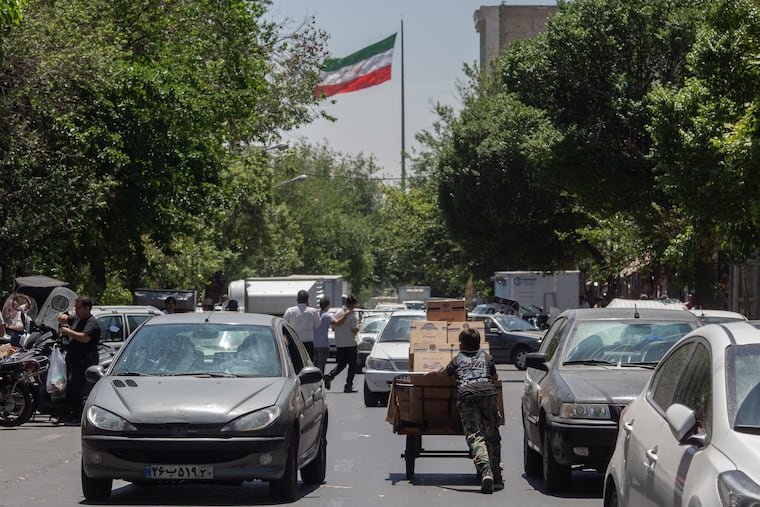
Alleged Gulf Involvement in Secret Operations Inside Iran Raises Regional Tensions
Reports of covert activity involving Saudi Arabia, the United Arab Emirates, and Iran point to an intensifying shadow conflict layered over already fragile Middle East security dynamics
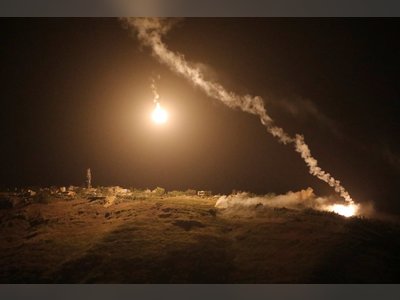
An emerging geopolitical conflict centered on covert operations and regional power competition is reshaping tensions between Iran and several Gulf Arab states, as intelligence-linked claims suggest Saudi Arabia and the United Arab Emirates may have been involved in secret activities inside Iranian territory.
What is confirmed is that allegations attributed to U.S. officials describe a pattern of clandestine operations and intelligence cooperation in the region involving multiple actors with longstanding strategic rivalry with Iran.
These claims place Saudi Arabia and the UAE in proximity to covert activity that reportedly occurred inside Iran, though the exact scope, methods, and operational details have not been independently verified in public.
The core of the story is the intensifying shadow conflict between Iran and its Gulf neighbors, which has increasingly unfolded through indirect means rather than open military confrontation.
Over the past decade, the region has seen repeated cycles of cyber operations, sabotage allegations, maritime incidents, and proxy conflicts across Yemen, Iraq, Syria, and the wider Gulf.
Iran has long accused regional rivals of supporting internal dissent, conducting intelligence operations, and enabling sabotage activities on its soil.
Saudi Arabia and the UAE, in turn, have accused Iran of backing armed non-state groups and destabilizing regional governments through proxy forces.
The current allegations, if accurate in scope, would represent a further escalation in this pattern of covert competition.
The United States occupies a sensitive position in this dynamic.
While Washington maintains security partnerships with Gulf states, it has also pursued diplomatic efforts aimed at de-escalation with Iran, including attempts to revive or replace earlier nuclear-related agreements.
Claims involving U.S. officials speaking about such operations highlight the complexity of intelligence relationships and the blurred line between monitoring, cooperation, and tacit awareness in regional security affairs.
No independently verified evidence has been made public detailing the nature of the alleged attacks inside Iran, nor has there been confirmation of direct operational involvement by Saudi or Emirati state institutions.
As a result, key factual questions remain unresolved, including the extent of state authorization, the operational chain of command, and whether the activities described reflect coordinated policy or fragmented intelligence activity.
The strategic stakes are significant.
Iran views its internal security environment as directly tied to external pressure from regional adversaries and global powers, and any confirmed foreign-linked operations inside its territory would likely intensify retaliatory posture in both covert and proxy arenas.
For Gulf states, persistent hostility with Iran reinforces the importance of deterrence and intelligence reach, particularly in response to perceived Iranian influence across neighboring conflict zones.
The immediate consequence is a renewed increase in regional suspicion at a time when diplomatic channels remain fragile.
Even unverified claims of covert action contribute to escalation risk by reinforcing threat perceptions on all sides, narrowing space for negotiation and increasing the likelihood of reciprocal intelligence activity across the region.
What is confirmed is that allegations attributed to U.S. officials describe a pattern of clandestine operations and intelligence cooperation in the region involving multiple actors with longstanding strategic rivalry with Iran.
These claims place Saudi Arabia and the UAE in proximity to covert activity that reportedly occurred inside Iran, though the exact scope, methods, and operational details have not been independently verified in public.
The core of the story is the intensifying shadow conflict between Iran and its Gulf neighbors, which has increasingly unfolded through indirect means rather than open military confrontation.
Over the past decade, the region has seen repeated cycles of cyber operations, sabotage allegations, maritime incidents, and proxy conflicts across Yemen, Iraq, Syria, and the wider Gulf.
Iran has long accused regional rivals of supporting internal dissent, conducting intelligence operations, and enabling sabotage activities on its soil.
Saudi Arabia and the UAE, in turn, have accused Iran of backing armed non-state groups and destabilizing regional governments through proxy forces.
The current allegations, if accurate in scope, would represent a further escalation in this pattern of covert competition.
The United States occupies a sensitive position in this dynamic.
While Washington maintains security partnerships with Gulf states, it has also pursued diplomatic efforts aimed at de-escalation with Iran, including attempts to revive or replace earlier nuclear-related agreements.
Claims involving U.S. officials speaking about such operations highlight the complexity of intelligence relationships and the blurred line between monitoring, cooperation, and tacit awareness in regional security affairs.
No independently verified evidence has been made public detailing the nature of the alleged attacks inside Iran, nor has there been confirmation of direct operational involvement by Saudi or Emirati state institutions.
As a result, key factual questions remain unresolved, including the extent of state authorization, the operational chain of command, and whether the activities described reflect coordinated policy or fragmented intelligence activity.
The strategic stakes are significant.
Iran views its internal security environment as directly tied to external pressure from regional adversaries and global powers, and any confirmed foreign-linked operations inside its territory would likely intensify retaliatory posture in both covert and proxy arenas.
For Gulf states, persistent hostility with Iran reinforces the importance of deterrence and intelligence reach, particularly in response to perceived Iranian influence across neighboring conflict zones.
The immediate consequence is a renewed increase in regional suspicion at a time when diplomatic channels remain fragile.
Even unverified claims of covert action contribute to escalation risk by reinforcing threat perceptions on all sides, narrowing space for negotiation and increasing the likelihood of reciprocal intelligence activity across the region.