White HouseSenateThe HouseSupreme CourtFederal ReserveDOJState DepartmentTreasuryCensusBudget OfficeTrade Representative
WashingTone
Informed by Washington, Defined by Insight
Friday, May 15, 2026
WashingTone


Energy System Under Strain as Washington Moves to Stabilize Fuel Prices Amid Middle East Escalation
Rising oil volatility tied to conflict involving Iran pressures U.S. policymakers, forcing renewed focus on strategic reserves, domestic supply tools, and inflation risks
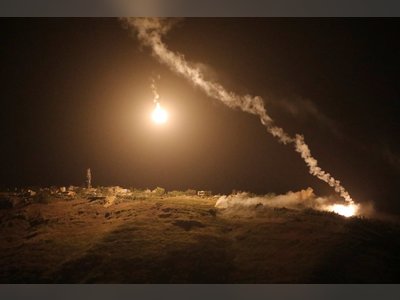
The global energy pricing system is facing renewed stress as geopolitical tensions involving Iran and broader Middle East instability feed directly into crude oil volatility, prompting urgent policy responses aimed at containing fuel price increases.
At the center of the issue is a familiar but structurally sensitive mechanism: global oil benchmarks react almost instantly to perceived supply risks, and even the threat of disruption in key shipping corridors can translate into higher gasoline prices in the United States within days.
What is confirmed is that U.S. policymakers are actively monitoring fuel price pressures linked to the escalation of regional conflict dynamics and are considering or deploying a mix of tools designed to stabilize domestic energy costs.
These typically include adjustments to strategic petroleum reserves, coordination with domestic producers, and regulatory or logistical measures intended to ease short-term supply constraints.
The aim is not to alter global oil markets directly, but to cushion domestic consumers from rapid price shocks.
The core transmission mechanism runs through global crude benchmarks such as Brent and West Texas Intermediate, where traders price in geopolitical risk premiums when supply routes, particularly around the Strait of Hormuz, are perceived to be under threat.
Iran’s position within this system is structurally important because of its proximity to critical maritime chokepoints and its role in regional energy geopolitics, meaning that even indirect escalation can tighten supply expectations and push prices upward.
Higher fuel costs feed quickly into broader inflation dynamics in the United States, affecting transportation, food distribution, and consumer sentiment.
This creates political pressure on the White House to respond, especially when energy-driven inflation risks undermine broader economic messaging.
Historically, administrations have responded to similar shocks by attempting to increase available supply in the short term or by signaling coordinated action with major producers to calm markets.
At the same time, structural limits reduce how quickly governments can offset global price movements.
Strategic reserves can smooth temporary spikes but cannot replace sustained production shifts.
Domestic output adjustments also lag behind market signals, while international coordination depends on complex relationships with oil-producing states whose own strategic incentives may not align with immediate price stabilization goals.
The result is a constrained policy environment in which Washington’s influence is indirect, and market psychology often matters as much as physical supply.
Traders respond not only to actual disruptions but to the probability of escalation, making communication and signaling a key part of economic management during geopolitical crises.
As energy markets continue to absorb risk from the evolving Middle East situation, the immediate focus remains on preventing a sustained spike in fuel costs that could spill over into broader inflationary pressure, shaping both domestic economic conditions and the administration’s policy priorities in the weeks ahead.
At the center of the issue is a familiar but structurally sensitive mechanism: global oil benchmarks react almost instantly to perceived supply risks, and even the threat of disruption in key shipping corridors can translate into higher gasoline prices in the United States within days.
What is confirmed is that U.S. policymakers are actively monitoring fuel price pressures linked to the escalation of regional conflict dynamics and are considering or deploying a mix of tools designed to stabilize domestic energy costs.
These typically include adjustments to strategic petroleum reserves, coordination with domestic producers, and regulatory or logistical measures intended to ease short-term supply constraints.
The aim is not to alter global oil markets directly, but to cushion domestic consumers from rapid price shocks.
The core transmission mechanism runs through global crude benchmarks such as Brent and West Texas Intermediate, where traders price in geopolitical risk premiums when supply routes, particularly around the Strait of Hormuz, are perceived to be under threat.
Iran’s position within this system is structurally important because of its proximity to critical maritime chokepoints and its role in regional energy geopolitics, meaning that even indirect escalation can tighten supply expectations and push prices upward.
Higher fuel costs feed quickly into broader inflation dynamics in the United States, affecting transportation, food distribution, and consumer sentiment.
This creates political pressure on the White House to respond, especially when energy-driven inflation risks undermine broader economic messaging.
Historically, administrations have responded to similar shocks by attempting to increase available supply in the short term or by signaling coordinated action with major producers to calm markets.
At the same time, structural limits reduce how quickly governments can offset global price movements.
Strategic reserves can smooth temporary spikes but cannot replace sustained production shifts.
Domestic output adjustments also lag behind market signals, while international coordination depends on complex relationships with oil-producing states whose own strategic incentives may not align with immediate price stabilization goals.
The result is a constrained policy environment in which Washington’s influence is indirect, and market psychology often matters as much as physical supply.
Traders respond not only to actual disruptions but to the probability of escalation, making communication and signaling a key part of economic management during geopolitical crises.
As energy markets continue to absorb risk from the evolving Middle East situation, the immediate focus remains on preventing a sustained spike in fuel costs that could spill over into broader inflationary pressure, shaping both domestic economic conditions and the administration’s policy priorities in the weeks ahead.