White HouseSenateThe HouseSupreme CourtFederal ReserveDOJState DepartmentTreasuryCensusBudget OfficeTrade Representative
WashingTone
Informed by Washington, Defined by Insight
Friday, May 15, 2026
WashingTone

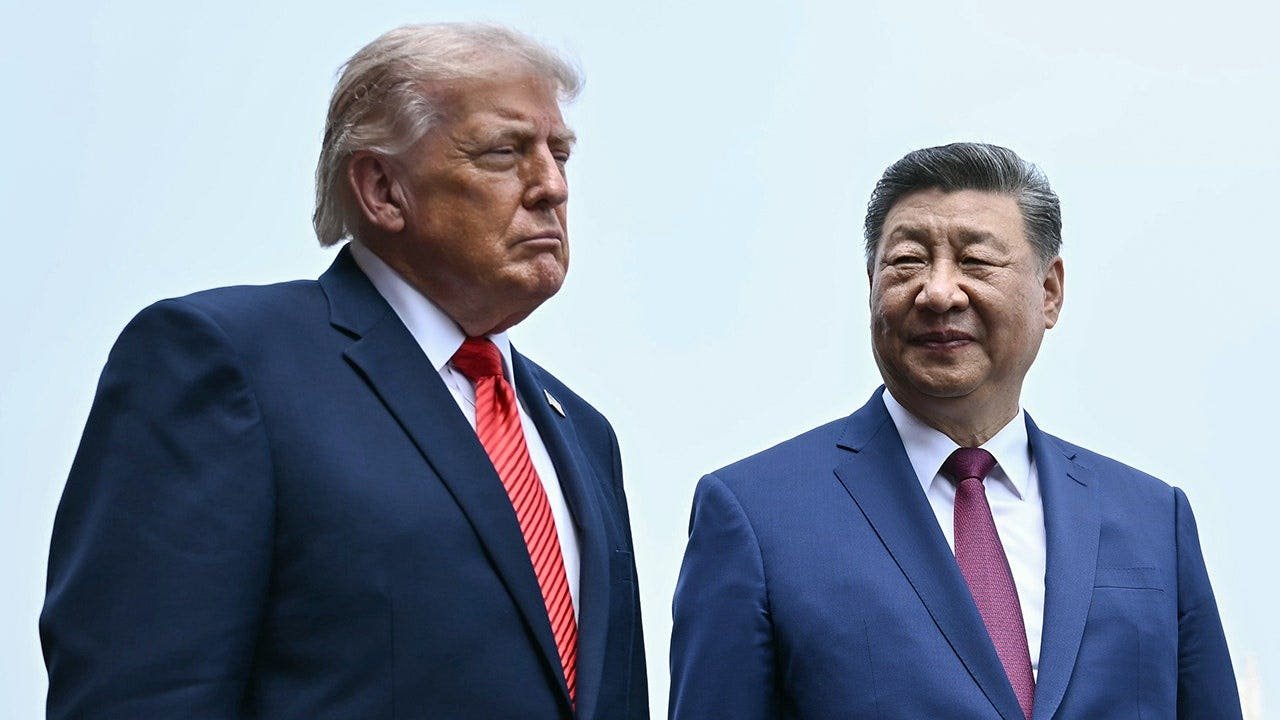
U.S.–China Diplomacy Under Strain as Taiwan Left Out of White House Readout
Omission highlights growing divergence in Washington–Beijing messaging as Xi Jinping signals Taiwan remains central to strategic tensions
High-level communication between the United States and China has once again exposed a widening gap in how both governments frame the most sensitive issue in their bilateral relationship: Taiwan.
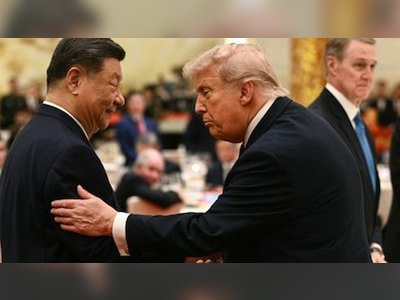
A recent White House summary of a conversation between President Donald Trump and Chinese President Xi Jinping did not include any reference to Taiwan, even as Chinese messaging placed the issue at the center of strategic warning language.
What is confirmed is that both sides issued their own interpretations of the exchange, with the United States emphasizing broader diplomatic engagement and China focusing on core security concerns.
The absence of Taiwan in the U.S. readout stands in contrast to Beijing’s consistent position that the island is the most consequential and non-negotiable issue in U.S.–China relations.
The underlying mechanism driving the significance of this divergence is not simply diplomatic wording but strategic signaling.
Official readouts are not neutral summaries; they are carefully constructed messages aimed at domestic audiences, allied governments, and financial markets.
What is included—and what is omitted—often reflects intentional prioritization of political messaging over full transcription of discussions.
Taiwan remains the most sensitive flashpoint in U.S.–China relations.
Beijing views it as part of its sovereign territory and has not ruled out the use of force to achieve unification.
Washington maintains a policy of strategic ambiguity, opposing unilateral changes to the status quo while simultaneously providing defensive support to Taiwan.
This structural ambiguity has long served as a stabilizing but fragile balance.
The omission of Taiwan from the White House readout does not necessarily indicate a shift in policy, but it does underscore how carefully calibrated public messaging has become.
In high-stakes diplomacy, absence of reference can be as meaningful as explicit language, particularly when counterpart governments emphasize the same issue as central to national security.
China’s warning posture around Taiwan reflects broader concerns in Beijing about external interference and domestic political legitimacy.
For Washington, the challenge lies in managing deterrence without triggering escalation, while also maintaining credibility with regional allies who depend on U.S. commitments in the Indo-Pacific.
The divergence in framing also reflects a broader pattern in U.S.–China communications: limited trust, competing narratives, and increasing reliance on signaling rather than detailed joint statements.
As strategic competition intensifies, even routine diplomatic exchanges are interpreted through the lens of military posture, alliance cohesion, and long-term geopolitical positioning.
The immediate consequence of this episode is renewed scrutiny of how both governments manage public diplomacy on Taiwan, a topic that continues to define the risk threshold in bilateral relations and shapes the strategic environment across the Indo-Pacific region.
A recent White House summary of a conversation between President Donald Trump and Chinese President Xi Jinping did not include any reference to Taiwan, even as Chinese messaging placed the issue at the center of strategic warning language.
What is confirmed is that both sides issued their own interpretations of the exchange, with the United States emphasizing broader diplomatic engagement and China focusing on core security concerns.
The absence of Taiwan in the U.S. readout stands in contrast to Beijing’s consistent position that the island is the most consequential and non-negotiable issue in U.S.–China relations.
The underlying mechanism driving the significance of this divergence is not simply diplomatic wording but strategic signaling.
Official readouts are not neutral summaries; they are carefully constructed messages aimed at domestic audiences, allied governments, and financial markets.
What is included—and what is omitted—often reflects intentional prioritization of political messaging over full transcription of discussions.
Taiwan remains the most sensitive flashpoint in U.S.–China relations.
Beijing views it as part of its sovereign territory and has not ruled out the use of force to achieve unification.
Washington maintains a policy of strategic ambiguity, opposing unilateral changes to the status quo while simultaneously providing defensive support to Taiwan.
This structural ambiguity has long served as a stabilizing but fragile balance.
The omission of Taiwan from the White House readout does not necessarily indicate a shift in policy, but it does underscore how carefully calibrated public messaging has become.
In high-stakes diplomacy, absence of reference can be as meaningful as explicit language, particularly when counterpart governments emphasize the same issue as central to national security.
China’s warning posture around Taiwan reflects broader concerns in Beijing about external interference and domestic political legitimacy.
For Washington, the challenge lies in managing deterrence without triggering escalation, while also maintaining credibility with regional allies who depend on U.S. commitments in the Indo-Pacific.
The divergence in framing also reflects a broader pattern in U.S.–China communications: limited trust, competing narratives, and increasing reliance on signaling rather than detailed joint statements.
As strategic competition intensifies, even routine diplomatic exchanges are interpreted through the lens of military posture, alliance cohesion, and long-term geopolitical positioning.
The immediate consequence of this episode is renewed scrutiny of how both governments manage public diplomacy on Taiwan, a topic that continues to define the risk threshold in bilateral relations and shapes the strategic environment across the Indo-Pacific region.