White HouseSenateThe HouseSupreme CourtFederal ReserveDOJState DepartmentTreasuryCensusBudget OfficeTrade Representative
WashingTone
Informed by Washington, Defined by Insight
Wednesday, May 20, 2026
WashingTone

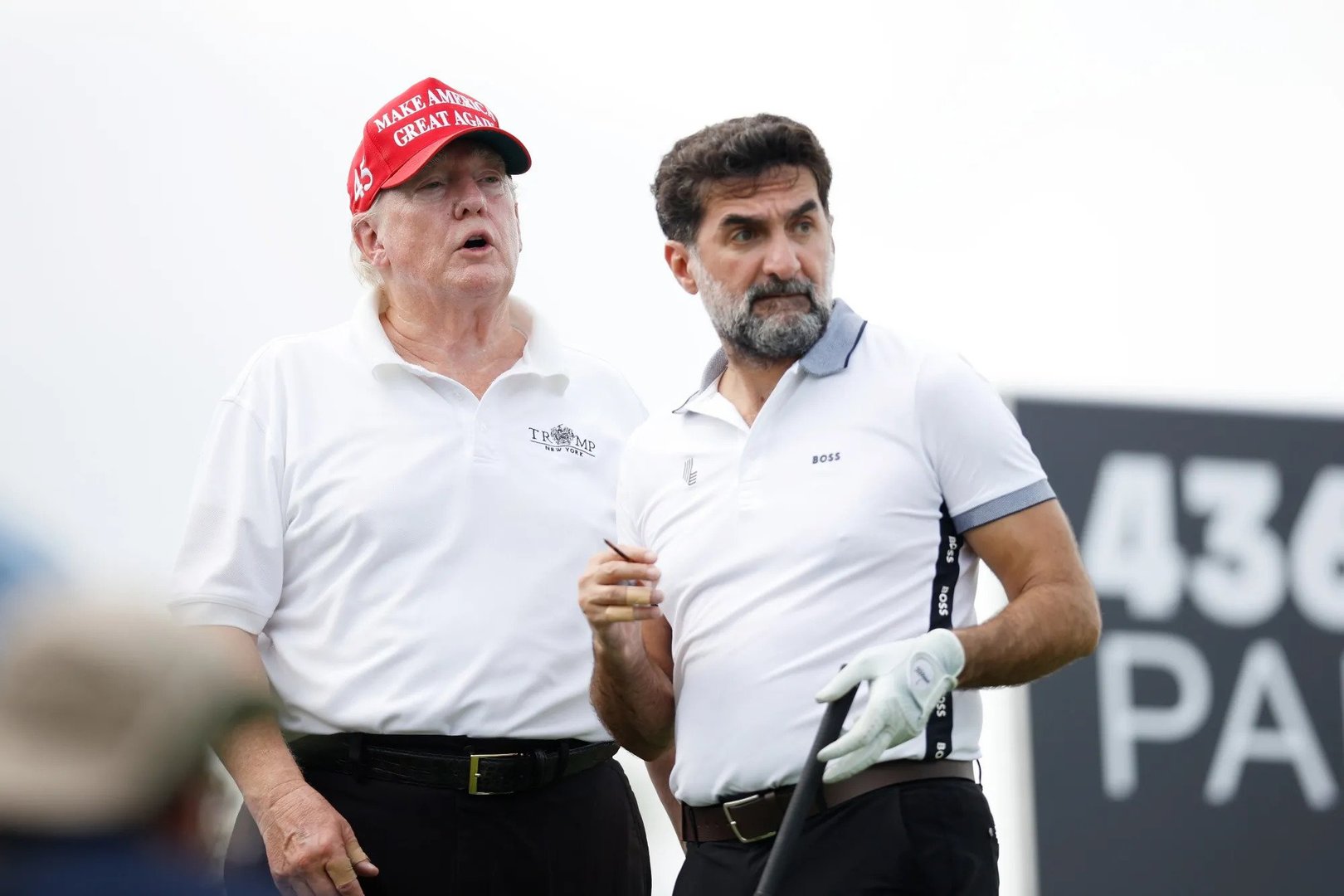
LIV Golf Faces Strategic Pressure as Saudi Investment Priorities Shift
The Saudi-backed league tied to high-profile U.S. political and business relationships is confronting rising costs and a broader recalibration of sovereign spending strategy
ACTOR-DRIVEN dynamics centered on Saudi Arabia’s Public Investment Fund and LIV Golf are reshaping the financial and political trajectory of the breakaway golf league as internal spending priorities shift amid broader economic diversification goals.
LIV Golf was launched as a high-profile investment project aimed at disrupting global professional golf, while also serving as a soft-power platform connecting Saudi capital to elite Western sports and political networks.
The league’s rapid expansion was underwritten by large-scale funding commitments designed to attract top players, establish new tournament formats, and secure global broadcasting visibility.
This approach positioned LIV Golf as both a commercial competitor to established tours and a geopolitical instrument of influence, linking sport, investment strategy, and international engagement.
However, the financial model underpinning LIV Golf has increasingly come under strain as the cost of maintaining elite participation and global operations remains high.
Guaranteed player contracts, elevated prize funds, and logistical requirements across multiple continents have created sustained expenditure levels that are not yet matched by equivalent commercial revenue streams.
Sponsorship depth, media rights monetization, and audience growth remain works in progress rather than fully mature revenue engines.
The broader context is a shift in how Saudi Arabia’s sovereign investment strategy allocates capital across major projects.
While flagship initiatives continue, there is growing emphasis on balancing visibility-driven investments with long-term economic return considerations.
This recalibration affects how non-core or high-burn ventures are evaluated, even when they carry significant soft-power value.
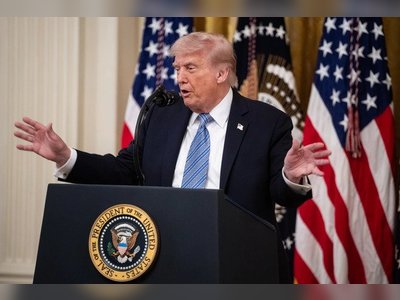
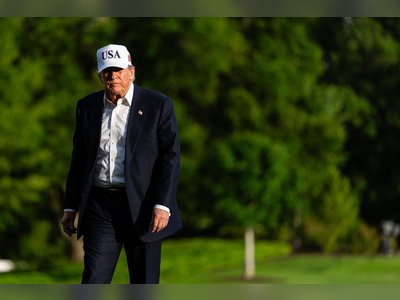
The reference to political connectivity, including perceived proximity to U.S. power brokers and former political figures, reflects LIV Golf’s broader role as a high-visibility platform rather than a purely sporting enterprise.
The league has operated at the intersection of business, diplomacy, and sport, amplifying both its influence and its exposure to scrutiny.
Claims of existential financial distress or imminent collapse are not confirmed.
What is evident is that the league remains dependent on continued external backing while it transitions from an expansion phase to a more stable operating model.
The central question is whether LIV Golf can evolve into a self-sustaining commercial entity or remain structurally reliant on sovereign funding.
The outcome will shape not only the future of LIV Golf but also broader expectations for how state-backed investments engage with global sports ecosystems, particularly in environments where financial performance and geopolitical objectives overlap.
LIV Golf was launched as a high-profile investment project aimed at disrupting global professional golf, while also serving as a soft-power platform connecting Saudi capital to elite Western sports and political networks.
The league’s rapid expansion was underwritten by large-scale funding commitments designed to attract top players, establish new tournament formats, and secure global broadcasting visibility.
This approach positioned LIV Golf as both a commercial competitor to established tours and a geopolitical instrument of influence, linking sport, investment strategy, and international engagement.
However, the financial model underpinning LIV Golf has increasingly come under strain as the cost of maintaining elite participation and global operations remains high.
Guaranteed player contracts, elevated prize funds, and logistical requirements across multiple continents have created sustained expenditure levels that are not yet matched by equivalent commercial revenue streams.
Sponsorship depth, media rights monetization, and audience growth remain works in progress rather than fully mature revenue engines.
The broader context is a shift in how Saudi Arabia’s sovereign investment strategy allocates capital across major projects.
While flagship initiatives continue, there is growing emphasis on balancing visibility-driven investments with long-term economic return considerations.
This recalibration affects how non-core or high-burn ventures are evaluated, even when they carry significant soft-power value.
The reference to political connectivity, including perceived proximity to U.S. power brokers and former political figures, reflects LIV Golf’s broader role as a high-visibility platform rather than a purely sporting enterprise.
The league has operated at the intersection of business, diplomacy, and sport, amplifying both its influence and its exposure to scrutiny.
Claims of existential financial distress or imminent collapse are not confirmed.
What is evident is that the league remains dependent on continued external backing while it transitions from an expansion phase to a more stable operating model.
The central question is whether LIV Golf can evolve into a self-sustaining commercial entity or remain structurally reliant on sovereign funding.
The outcome will shape not only the future of LIV Golf but also broader expectations for how state-backed investments engage with global sports ecosystems, particularly in environments where financial performance and geopolitical objectives overlap.