White HouseSenateThe HouseSupreme CourtFederal ReserveDOJState DepartmentTreasuryCensusBudget OfficeTrade Representative
WashingTone
Informed by Washington, Defined by Insight
Wednesday, May 20, 2026
WashingTone

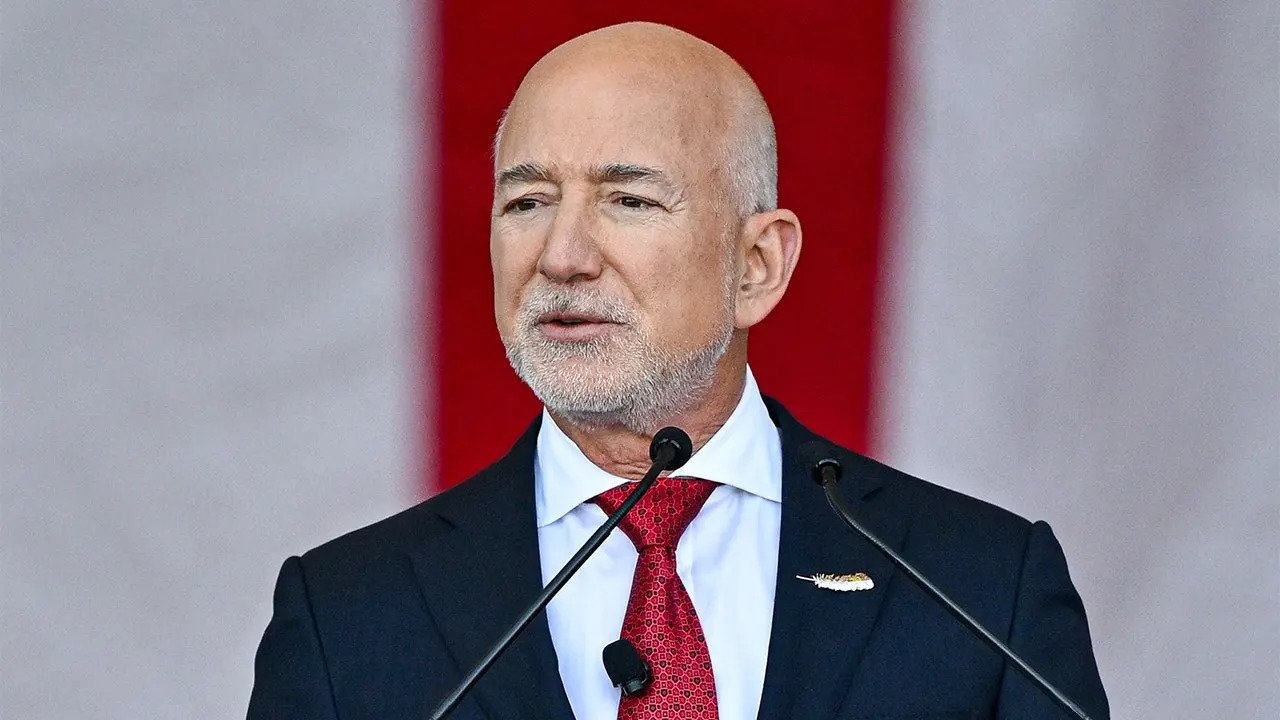
Bezos Defends Washington Post Layoffs as Profit Pressure Reshapes Newsroom Strategy
The Amazon founder faces internal criticism over cuts, arguing the paper must operate sustainably despite his personal wealth
A restructuring push at the Washington Post, the American newspaper owned by Amazon founder Jeff Bezos, has intensified debate over how legacy media outlets should balance editorial mission with financial sustainability.
The dispute centers on workforce reductions and cost-cutting measures that have prompted internal concern about the paper’s direction and independence.
What is confirmed is that the Washington Post has undergone layoffs and broader organizational changes as part of a financial restructuring effort aimed at stabilizing long-term operations.
Bezos, who acquired the newspaper in 2013, has publicly defended the need for profitability and operational discipline, arguing that personal wealth does not eliminate the requirement for a media organization to function on a sustainable business model.
The confrontation reflects a broader tension across the journalism industry, where advertising revenue has declined and digital subscription growth has not fully offset legacy losses.
Media companies have increasingly turned to layoffs, consolidation of editorial roles, and investment in automation and digital product development to reduce costs while attempting to maintain output.
Within the Washington Post, the changes have been met with internal resistance from staff concerned about the impact on newsroom capacity and editorial quality.
The underlying disagreement is not only financial but also structural: whether a major newspaper owned by a billionaire should prioritize profitability in the same way as a commercial enterprise or operate under a subsidized model that tolerates sustained losses.
Bezos’ position has consistently emphasized that editorial independence and financial viability are distinct.
He has argued that dependence on continuous owner funding creates long-term vulnerability, while a self-sustaining model provides stability even under shifting media consumption patterns.
Critics counter that aggressive cost controls risk undermining journalistic depth at a time when public trust in media is already strained.
The situation at the Washington Post is part of a wider recalibration across elite news organizations as they confront declining print revenues, volatile digital advertising markets, and competition from platform-based content distribution.
The outcome of this restructuring will influence not only staffing levels but also the paper’s capacity to invest in investigative reporting and international coverage.
As the changes proceed, the Washington Post is moving toward a leaner operating model designed to reduce fixed costs while maintaining core reporting functions, signaling a shift in how high-end journalism is financed in a structurally constrained media economy.
The dispute centers on workforce reductions and cost-cutting measures that have prompted internal concern about the paper’s direction and independence.
What is confirmed is that the Washington Post has undergone layoffs and broader organizational changes as part of a financial restructuring effort aimed at stabilizing long-term operations.
Bezos, who acquired the newspaper in 2013, has publicly defended the need for profitability and operational discipline, arguing that personal wealth does not eliminate the requirement for a media organization to function on a sustainable business model.
The confrontation reflects a broader tension across the journalism industry, where advertising revenue has declined and digital subscription growth has not fully offset legacy losses.
Media companies have increasingly turned to layoffs, consolidation of editorial roles, and investment in automation and digital product development to reduce costs while attempting to maintain output.
Within the Washington Post, the changes have been met with internal resistance from staff concerned about the impact on newsroom capacity and editorial quality.
The underlying disagreement is not only financial but also structural: whether a major newspaper owned by a billionaire should prioritize profitability in the same way as a commercial enterprise or operate under a subsidized model that tolerates sustained losses.
Bezos’ position has consistently emphasized that editorial independence and financial viability are distinct.
He has argued that dependence on continuous owner funding creates long-term vulnerability, while a self-sustaining model provides stability even under shifting media consumption patterns.
Critics counter that aggressive cost controls risk undermining journalistic depth at a time when public trust in media is already strained.
The situation at the Washington Post is part of a wider recalibration across elite news organizations as they confront declining print revenues, volatile digital advertising markets, and competition from platform-based content distribution.
The outcome of this restructuring will influence not only staffing levels but also the paper’s capacity to invest in investigative reporting and international coverage.
As the changes proceed, the Washington Post is moving toward a leaner operating model designed to reduce fixed costs while maintaining core reporting functions, signaling a shift in how high-end journalism is financed in a structurally constrained media economy.