White HouseSenateThe HouseSupreme CourtFederal ReserveDOJState DepartmentTreasuryCensusBudget OfficeTrade Representative
WashingTone
Informed by Washington, Defined by Insight
Wednesday, May 20, 2026
WashingTone

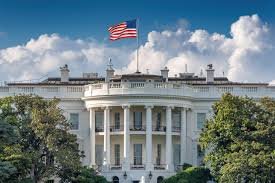
White House Orders Nationwide Citizenship Verification System for Federal Elections
Executive order directs federal agencies to build citizenship databases and reshape mail-in ballot handling, triggering immediate legal and constitutional challenges over election authority.
SYSTEM-DRIVEN — the story is fundamentally about the structure of U.S. election administration and the legal boundaries between federal authority, state control, and federal agencies.
The White House has issued an executive order establishing a federal framework to verify U.S. citizenship for participation in federal elections, a move that significantly expands the role of national agencies in voter eligibility verification and mail ballot distribution.
The order directs the Department of Homeland Security and the Social Security Administration to compile a centralized list of individuals confirmed as U.S. citizens who will be of voting age by upcoming federal elections.
These lists are intended to be shared with state election officials and updated before each federal election cycle.
The stated purpose is to reduce the risk of non-citizen registration and improve the accuracy of voter rolls.
In parallel, the order instructs the U.S. Postal Service to change how mail-in and absentee ballots are handled.
Ballots would be required to be transmitted using secure, trackable envelopes marked as official election mail, with unique identifiers designed to monitor delivery and return.
Mail ballots would only be sent to individuals appearing on designated participation lists, effectively linking federal eligibility screening with postal distribution systems.
The Department of Justice is also directed to prioritize enforcement actions against election-related violations, including alleged distribution of ballots to ineligible individuals.
The order includes provisions for potential withholding of federal funds from states deemed noncompliant with implementation requirements, increasing the stakes of federal-state coordination.
What is confirmed is that the executive order was signed at the end of March 2026 and immediately framed by the administration as a measure to strengthen election integrity and prevent non-citizen voting.
The order cites existing federal laws and data systems, including immigration and social security databases, as the basis for constructing citizenship verification tools.
The core constitutional tension arises from the division of authority over elections.
The U.S. Constitution assigns primary responsibility for election administration to states, while Congress holds authority to regulate federal election standards.
The executive branch’s role is generally limited to enforcement of existing law rather than redesigning election procedures.
The order attempts to justify its actions through federal enforcement powers and interagency coordination.
Legal opposition formed rapidly, with multiple state officials and attorneys general signaling or initiating challenges.
Critics argue the order shifts practical control over voter eligibility toward federal agencies and could constrain state-run voter registration systems, particularly in states with broad mail voting access.
Supporters argue it addresses gaps in citizenship verification and strengthens public confidence in election integrity.
The implementation faces technical and administrative hurdles, including how federal databases will be synchronized, how individuals will correct errors in citizenship records, and how states will reconcile federal lists with their own voter registration systems.
These operational questions are central to whether the order can be executed at scale before upcoming federal elections.
The result is a direct expansion of federal involvement in the infrastructure of voting eligibility verification, setting up a collision between administrative implementation, constitutional interpretation, and election law enforcement that is now moving into courts and state-federal negotiations.
The White House has issued an executive order establishing a federal framework to verify U.S. citizenship for participation in federal elections, a move that significantly expands the role of national agencies in voter eligibility verification and mail ballot distribution.
The order directs the Department of Homeland Security and the Social Security Administration to compile a centralized list of individuals confirmed as U.S. citizens who will be of voting age by upcoming federal elections.
These lists are intended to be shared with state election officials and updated before each federal election cycle.
The stated purpose is to reduce the risk of non-citizen registration and improve the accuracy of voter rolls.
In parallel, the order instructs the U.S. Postal Service to change how mail-in and absentee ballots are handled.
Ballots would be required to be transmitted using secure, trackable envelopes marked as official election mail, with unique identifiers designed to monitor delivery and return.
Mail ballots would only be sent to individuals appearing on designated participation lists, effectively linking federal eligibility screening with postal distribution systems.
The Department of Justice is also directed to prioritize enforcement actions against election-related violations, including alleged distribution of ballots to ineligible individuals.
The order includes provisions for potential withholding of federal funds from states deemed noncompliant with implementation requirements, increasing the stakes of federal-state coordination.
What is confirmed is that the executive order was signed at the end of March 2026 and immediately framed by the administration as a measure to strengthen election integrity and prevent non-citizen voting.
The order cites existing federal laws and data systems, including immigration and social security databases, as the basis for constructing citizenship verification tools.
The core constitutional tension arises from the division of authority over elections.
The U.S. Constitution assigns primary responsibility for election administration to states, while Congress holds authority to regulate federal election standards.
The executive branch’s role is generally limited to enforcement of existing law rather than redesigning election procedures.
The order attempts to justify its actions through federal enforcement powers and interagency coordination.
Legal opposition formed rapidly, with multiple state officials and attorneys general signaling or initiating challenges.
Critics argue the order shifts practical control over voter eligibility toward federal agencies and could constrain state-run voter registration systems, particularly in states with broad mail voting access.
Supporters argue it addresses gaps in citizenship verification and strengthens public confidence in election integrity.
The implementation faces technical and administrative hurdles, including how federal databases will be synchronized, how individuals will correct errors in citizenship records, and how states will reconcile federal lists with their own voter registration systems.
These operational questions are central to whether the order can be executed at scale before upcoming federal elections.
The result is a direct expansion of federal involvement in the infrastructure of voting eligibility verification, setting up a collision between administrative implementation, constitutional interpretation, and election law enforcement that is now moving into courts and state-federal negotiations.