White HouseSenateThe HouseSupreme CourtFederal ReserveDOJState DepartmentTreasuryCensusBudget OfficeTrade Representative
WashingTone
Informed by Washington, Defined by Insight
Wednesday, May 20, 2026
WashingTone

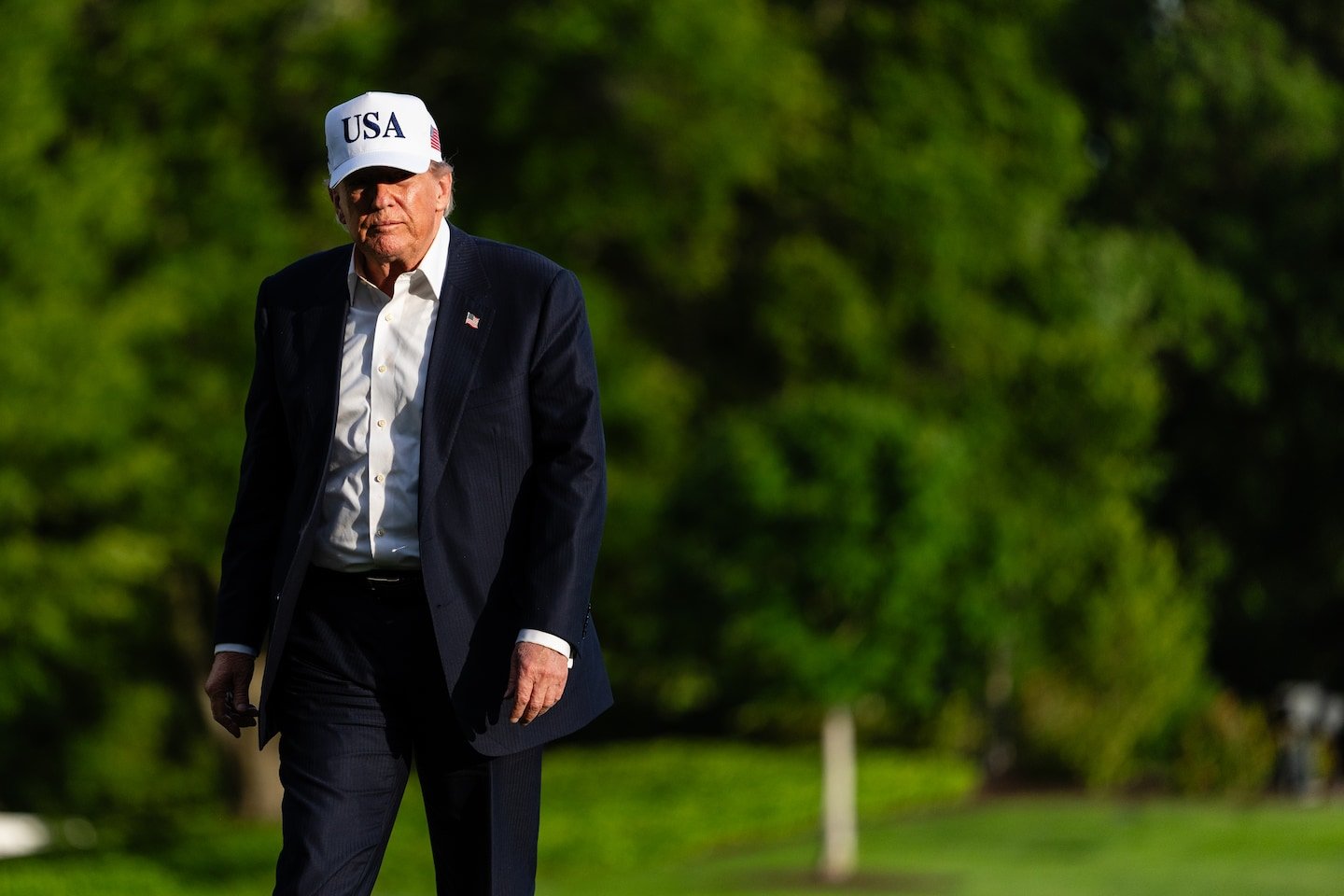
The Trump paradox: GOP gains in loyalty, strain in broader electability
Republicans are increasingly aligned with Donald Trump’s political brand, but that same alignment is reshaping electoral risks and internal party tensions
A SYSTEM-DRIVEN transformation inside the Republican Party is producing a political paradox in which closer alignment with Donald Trump strengthens primary performance while simultaneously creating structural challenges in broader general-election competitiveness.
What is confirmed is that the Republican Party’s electoral strategy, candidate selection, and messaging have become increasingly centered on Donald Trump’s political identity since his rise to the presidency and continued dominance of the party’s primary electorate.
This alignment has reshaped how candidates campaign, raise funds, and position themselves in both primary and general election environments.
The central mechanism behind this shift is the difference between primary and general electorate behavior.
Republican primaries are typically decided by a smaller, more ideologically engaged voter base that is highly responsive to Trump’s messaging on immigration, economic nationalism, and institutional distrust.
Candidates who align closely with Trump often gain decisive advantages in these contests, as endorsement effects and voter loyalty translate into immediate electoral momentum.
However, the same political positioning that strengthens performance in primaries can create vulnerabilities in general elections, where the electorate is broader, less partisan, and more moderate.
In competitive districts and swing states, candidates closely associated with Trump’s rhetoric or policy framing can face resistance from independent voters and suburban constituencies that have shown fluctuating support for Republican candidates in recent national cycles.
This duality has created a strategic tension within the Republican Party.
On one side, party actors recognize that Trump’s endorsement remains one of the most powerful forces in Republican primary politics, often determining nominee viability.
On the other, there is growing awareness among strategists that overreliance on Trump-aligned messaging may limit the party’s ability to expand its coalition beyond its core base.
The effect is most visible in candidate recruitment and campaign messaging.
Some Republican candidates have adopted explicit alignment with Trump to secure primary support, while subtly moderating their tone in general election contexts.
Others, particularly in competitive districts, attempt to balance acknowledgment of Trump’s influence with localized messaging focused on economic issues and district-specific concerns.
This balancing act is complicated by the structural realities of modern U.S. political communication.
Social media amplification, partisan news ecosystems, and nationalized campaign fundraising have reduced the space for strictly local political identities.
As a result, alignment with Trump is not easily compartmentalized between primary and general election phases, and public positioning often carries consequences across the entire electoral cycle.
The broader implication is a party increasingly defined by a single dominant political brand.
While this consolidation has increased message discipline and voter mobilization in Republican primaries, it has also narrowed the range of acceptable political expression within the party, reducing internal diversity of viewpoints on key policy areas such as foreign policy, trade, and institutional governance.
As future election cycles approach, Republican strategists face a structural tradeoff: continued reliance on Trump’s political influence may secure short-term primary victories, but it also forces the party to manage long-term questions about coalition expansion and competitiveness in diverse electoral environments.
What is confirmed is that the Republican Party’s electoral strategy, candidate selection, and messaging have become increasingly centered on Donald Trump’s political identity since his rise to the presidency and continued dominance of the party’s primary electorate.
This alignment has reshaped how candidates campaign, raise funds, and position themselves in both primary and general election environments.
The central mechanism behind this shift is the difference between primary and general electorate behavior.
Republican primaries are typically decided by a smaller, more ideologically engaged voter base that is highly responsive to Trump’s messaging on immigration, economic nationalism, and institutional distrust.
Candidates who align closely with Trump often gain decisive advantages in these contests, as endorsement effects and voter loyalty translate into immediate electoral momentum.
However, the same political positioning that strengthens performance in primaries can create vulnerabilities in general elections, where the electorate is broader, less partisan, and more moderate.
In competitive districts and swing states, candidates closely associated with Trump’s rhetoric or policy framing can face resistance from independent voters and suburban constituencies that have shown fluctuating support for Republican candidates in recent national cycles.
This duality has created a strategic tension within the Republican Party.
On one side, party actors recognize that Trump’s endorsement remains one of the most powerful forces in Republican primary politics, often determining nominee viability.
On the other, there is growing awareness among strategists that overreliance on Trump-aligned messaging may limit the party’s ability to expand its coalition beyond its core base.
The effect is most visible in candidate recruitment and campaign messaging.
Some Republican candidates have adopted explicit alignment with Trump to secure primary support, while subtly moderating their tone in general election contexts.
Others, particularly in competitive districts, attempt to balance acknowledgment of Trump’s influence with localized messaging focused on economic issues and district-specific concerns.
This balancing act is complicated by the structural realities of modern U.S. political communication.
Social media amplification, partisan news ecosystems, and nationalized campaign fundraising have reduced the space for strictly local political identities.
As a result, alignment with Trump is not easily compartmentalized between primary and general election phases, and public positioning often carries consequences across the entire electoral cycle.
The broader implication is a party increasingly defined by a single dominant political brand.
While this consolidation has increased message discipline and voter mobilization in Republican primaries, it has also narrowed the range of acceptable political expression within the party, reducing internal diversity of viewpoints on key policy areas such as foreign policy, trade, and institutional governance.
As future election cycles approach, Republican strategists face a structural tradeoff: continued reliance on Trump’s political influence may secure short-term primary victories, but it also forces the party to manage long-term questions about coalition expansion and competitiveness in diverse electoral environments.