White HouseSenateThe HouseSupreme CourtFederal ReserveDOJState DepartmentTreasuryCensusBudget OfficeTrade Representative
WashingTone
Informed by Washington, Defined by Insight
Wednesday, May 20, 2026
WashingTone

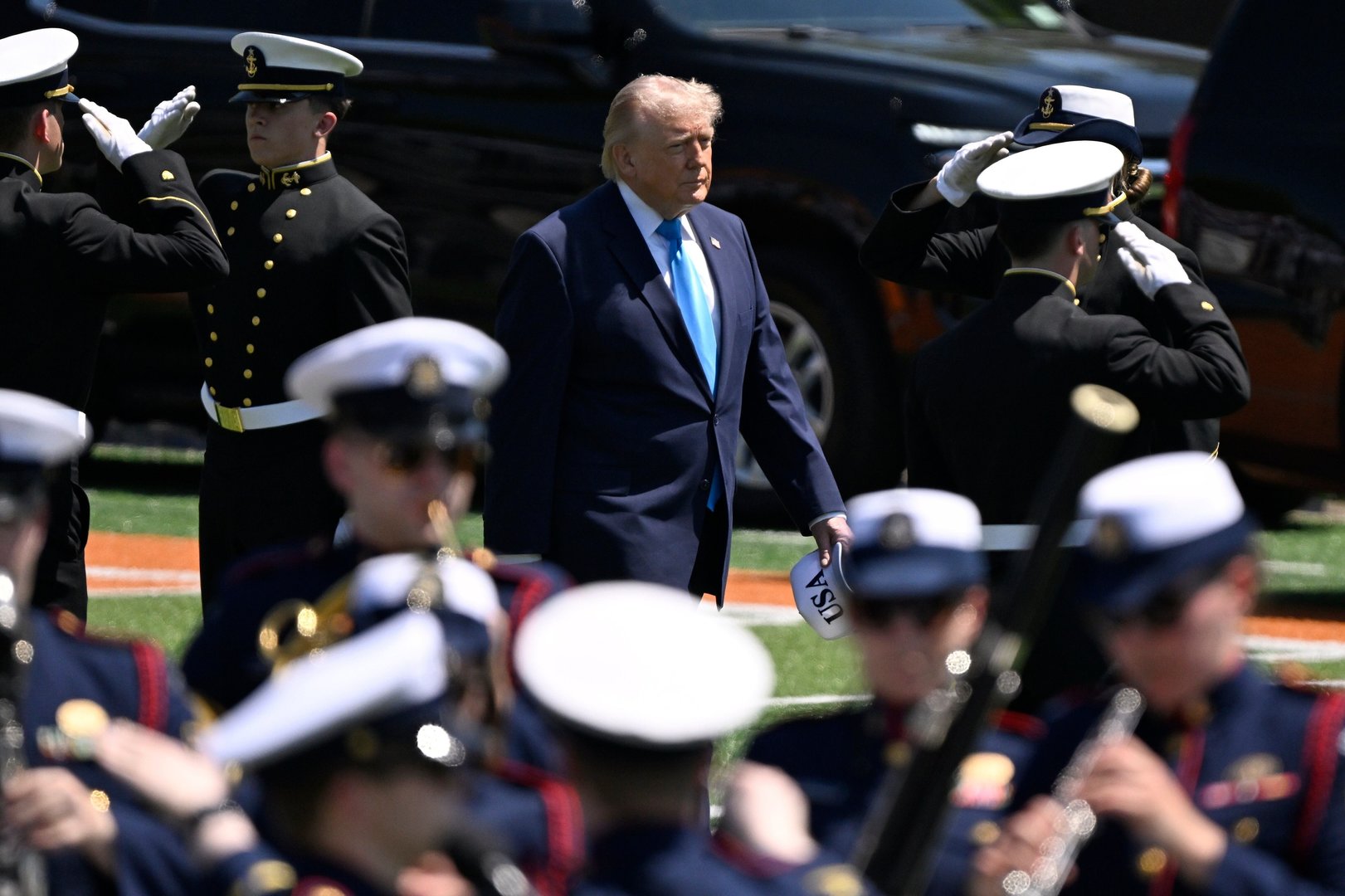
Trump Frames Coast Guard Graduation as Call for ‘National Resurgence’
At a U.S. Coast Guard Academy commencement, Trump delivered a speech focused on military readiness, national strength, and institutional reform themes
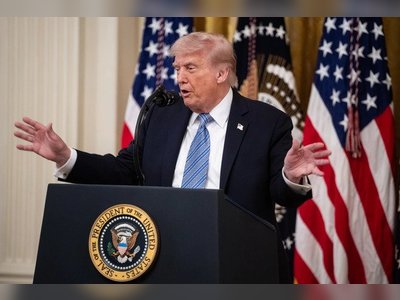
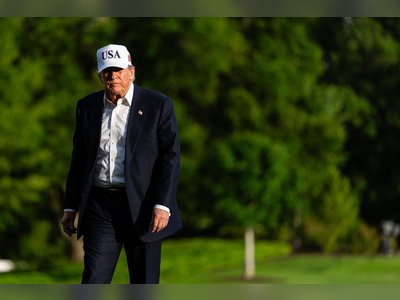
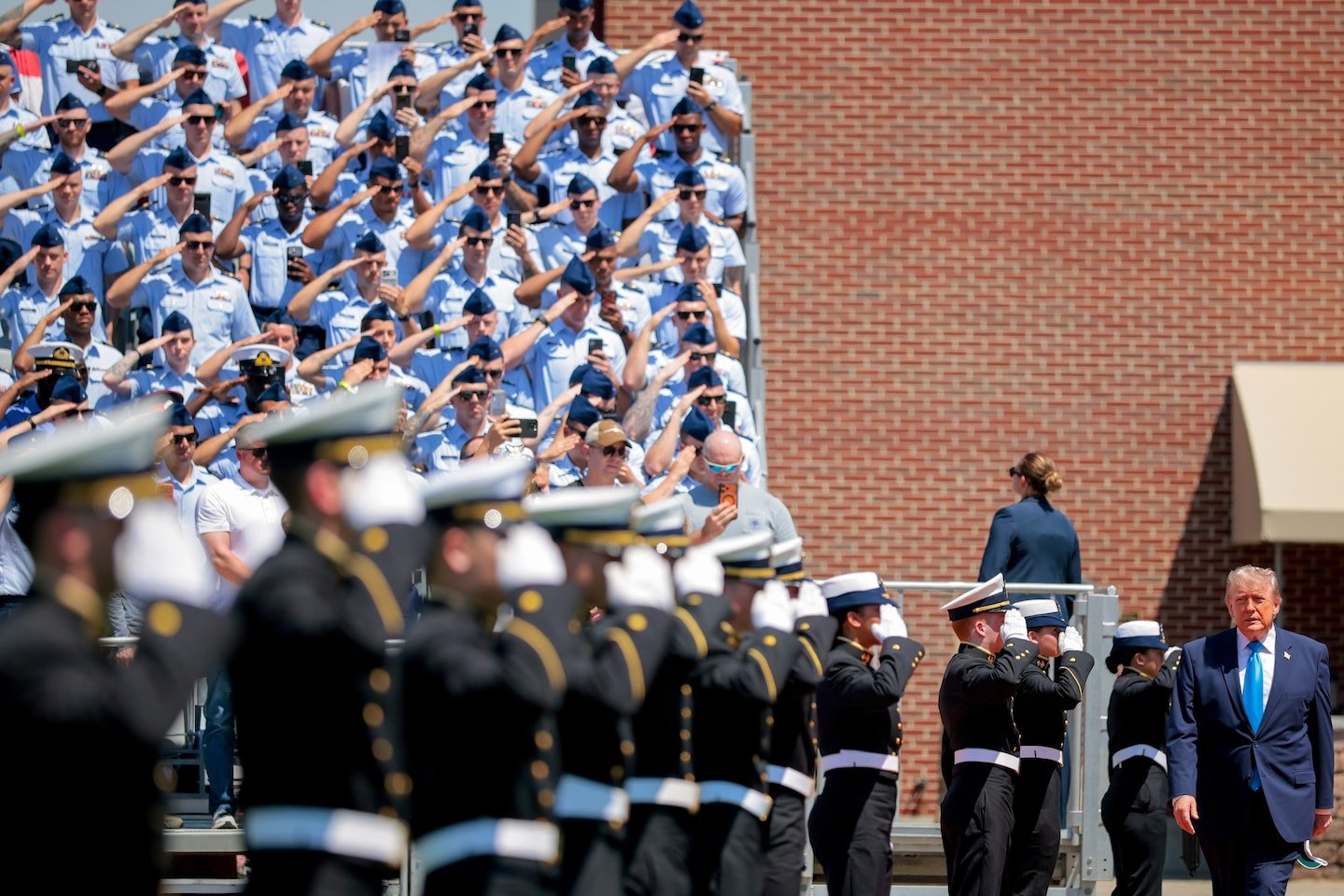
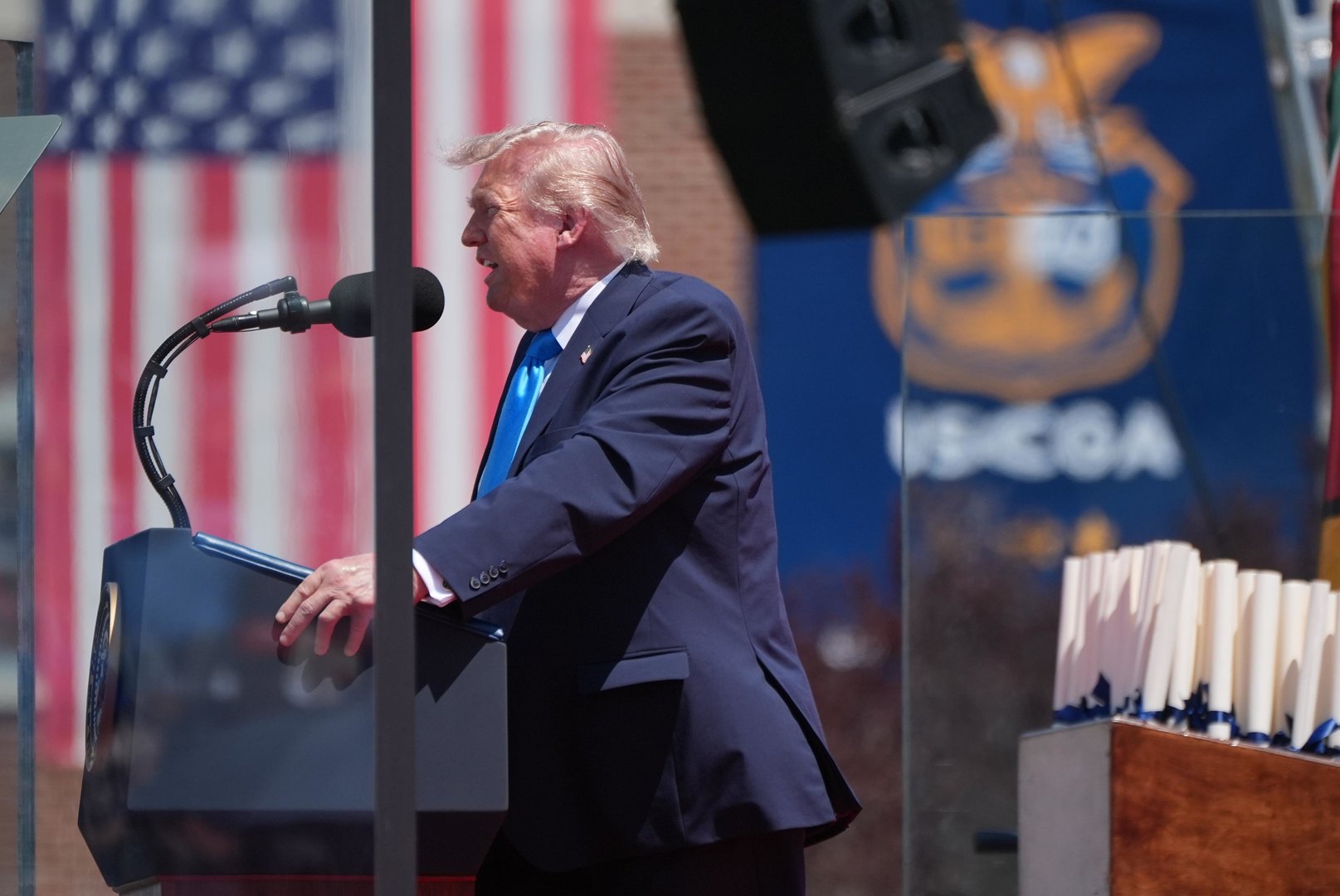
An actor-driven political address by Donald Trump at a U.S. Coast Guard Academy commencement ceremony centered on themes of military discipline, national strength, and what he described as the need for a broader “national resurgence” in the United States.
The event took place at the graduation of new officers from the United States Coast Guard Academy, one of the country’s five federal service academies responsible for training future leaders of the maritime security service.
The Coast Guard operates under the Department of Homeland Security in peacetime and can be transferred to the Department of the Navy during wartime, giving its leadership training a dual civilian-military strategic role.
In his remarks, Trump urged graduates to view their careers as part of a wider mission to restore institutional strength and operational effectiveness across U.S. national security agencies.
He emphasized leadership, discipline, and service, framing the moment as one requiring renewed commitment to defense readiness and national cohesion.
The speech fits into a broader pattern of Trump’s messaging to military audiences, where he frequently highlights issues such as border security, military modernization, and bureaucratic reform.
In this context, the Coast Guard graduation served both as a ceremonial milestone for cadets and as a platform for broader political messaging about the direction of U.S. national policy.
Graduation ceremonies at service academies typically include addresses from senior political or military figures, but they are generally structured around non-partisan themes of service, duty, and sacrifice.
Trump’s framing of a “national resurgence” reflects his broader political narrative emphasizing institutional renewal and stronger enforcement of national security priorities.
The Coast Guard itself has faced increasing operational demands in recent years, including maritime law enforcement, search and rescue missions, Arctic operations, and migrant interdiction activities.
These pressures have placed greater emphasis on leadership training and resource allocation, particularly as global maritime security challenges expand.
Against this backdrop, the address underscores the intersection between military education and political messaging in high-profile national ceremonies.
While the immediate function of the event was the commissioning of new officers, the broader significance lies in how such platforms are used to signal policy priorities and shape public perceptions of military readiness.
The graduates now enter active service across a range of Coast Guard missions, including coastal security, environmental protection enforcement, and maritime safety operations, carrying forward responsibilities that directly affect domestic security and international maritime operations.
The event took place at the graduation of new officers from the United States Coast Guard Academy, one of the country’s five federal service academies responsible for training future leaders of the maritime security service.
The Coast Guard operates under the Department of Homeland Security in peacetime and can be transferred to the Department of the Navy during wartime, giving its leadership training a dual civilian-military strategic role.
In his remarks, Trump urged graduates to view their careers as part of a wider mission to restore institutional strength and operational effectiveness across U.S. national security agencies.
He emphasized leadership, discipline, and service, framing the moment as one requiring renewed commitment to defense readiness and national cohesion.
The speech fits into a broader pattern of Trump’s messaging to military audiences, where he frequently highlights issues such as border security, military modernization, and bureaucratic reform.
In this context, the Coast Guard graduation served both as a ceremonial milestone for cadets and as a platform for broader political messaging about the direction of U.S. national policy.
Graduation ceremonies at service academies typically include addresses from senior political or military figures, but they are generally structured around non-partisan themes of service, duty, and sacrifice.
Trump’s framing of a “national resurgence” reflects his broader political narrative emphasizing institutional renewal and stronger enforcement of national security priorities.
The Coast Guard itself has faced increasing operational demands in recent years, including maritime law enforcement, search and rescue missions, Arctic operations, and migrant interdiction activities.
These pressures have placed greater emphasis on leadership training and resource allocation, particularly as global maritime security challenges expand.
Against this backdrop, the address underscores the intersection between military education and political messaging in high-profile national ceremonies.
While the immediate function of the event was the commissioning of new officers, the broader significance lies in how such platforms are used to signal policy priorities and shape public perceptions of military readiness.
The graduates now enter active service across a range of Coast Guard missions, including coastal security, environmental protection enforcement, and maritime safety operations, carrying forward responsibilities that directly affect domestic security and international maritime operations.