White HouseSenateThe HouseSupreme CourtFederal ReserveDOJState DepartmentTreasuryCensusBudget OfficeTrade Representative
WashingTone
Informed by Washington, Defined by Insight
Tuesday, May 12, 2026
WashingTone

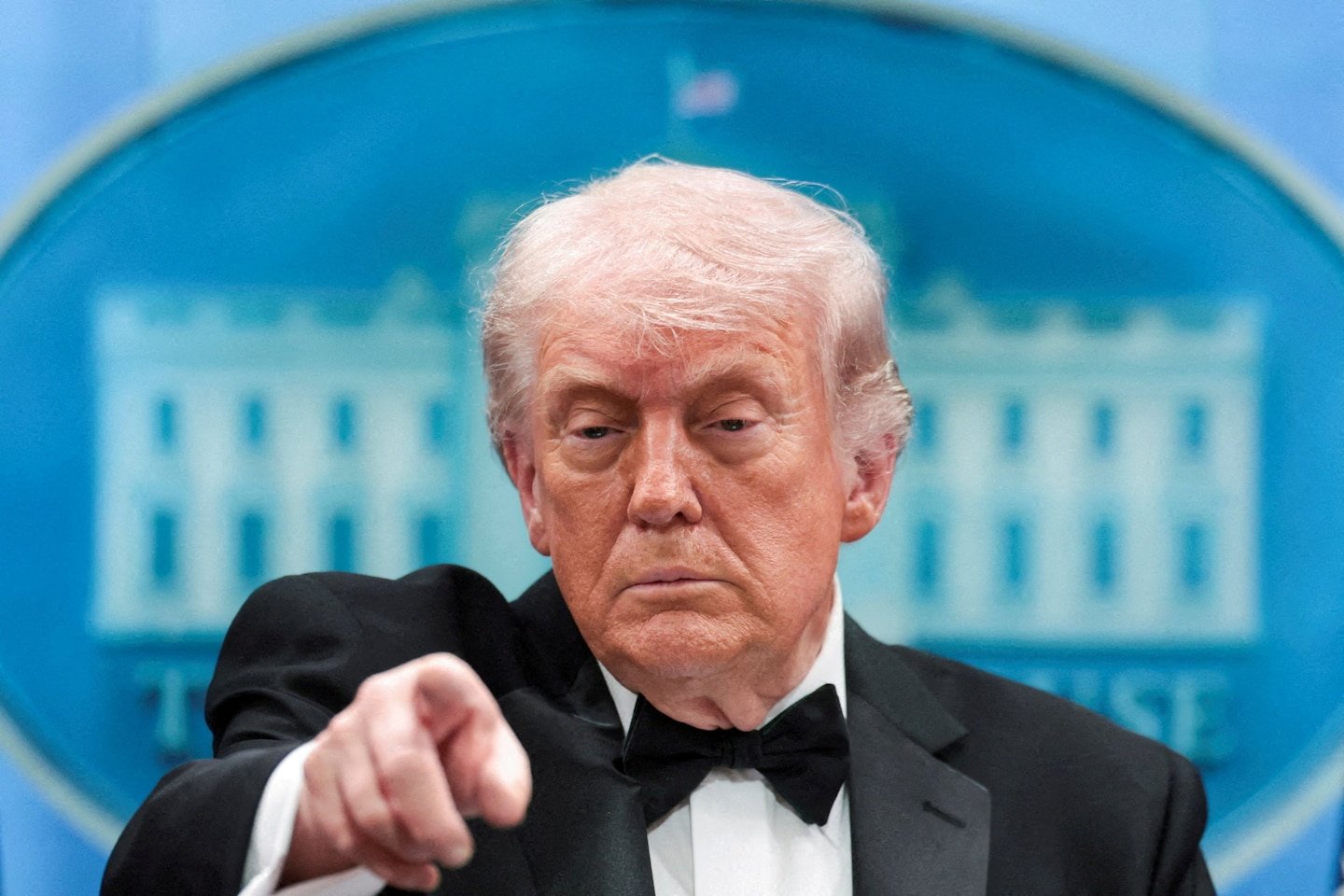
Survey Finds Significant Share of Americans Believe Trump Assassination Attempts Were Fabricated
Polling highlights deep polarization and widespread distrust in political information, with beliefs diverging sharply along partisan lines
Actor-driven political perception has become a defining feature of how major events are interpreted in the United States, particularly in the aftermath of reported assassination attempts involving Donald Trump during the 2024 election cycle.
A recent survey-based analysis indicates that a substantial portion of Americans believe at least one of these incidents was staged or not genuine, reflecting broader patterns of distrust in official accounts and media reporting.
The belief in fabricated assassination attempts does not rest on verified evidence that such events were staged.
Official accounts of the incidents describe them as real security events investigated by law enforcement agencies, with individuals arrested or identified in connection with alleged attack attempts.
What is confirmed is that investigations were conducted and security protocols were activated in response to perceived threats against the former president during public appearances and campaign-related activities.
The survey findings instead measure public perception, not factual verification.
They show that attitudes toward the incidents are heavily influenced by political identity and media consumption patterns.
Supporters of Donald Trump are significantly more likely to accept the events as legitimate assassination attempts, while opponents and politically unaffiliated respondents show higher levels of skepticism, with some expressing the view that the events were exaggerated or staged for political advantage.
This divergence reflects a broader structural problem in the information environment: declining trust in shared factual baselines.
Political violence, or threats of it, is particularly sensitive because it intersects with emotional identity, institutional credibility, and electoral competition.
In such contexts, perception can become detached from evidentiary standards, especially when competing narratives circulate rapidly on social media platforms.
The mechanism driving these beliefs is not limited to a single event but to cumulative distrust in institutions, including law enforcement, federal agencies, traditional media, and political leadership.
Over time, repeated exposure to conflicting narratives about major events has created an environment where segments of the public selectively accept or reject official explanations based on prior political alignment rather than independent verification.
The stakes of this phenomenon are significant.
When large portions of the public doubt the authenticity of politically sensitive security incidents, it weakens the legitimacy of official investigative processes and complicates responses to genuine threats.
It also increases the risk that future real incidents will be met with skepticism, delaying consensus on protective or corrective action.
At the same time, the survey results do not establish the truth or falsity of any assassination attempt claim.
They reflect belief distribution, not forensic findings.
Law enforcement agencies continue to treat reported incidents involving threats against political figures as serious matters subject to investigation, and no credible official body has substantiated claims that the reported assassination attempts against Donald Trump were staged.
The broader implication is that political polarization in the United States has evolved beyond disagreement over policy into disagreement over factual reality itself.
This creates a structural instability in public discourse, where even high-profile security events are interpreted through competing realities rather than shared evidentiary standards.
That shift has consequences for governance, public trust, and the resilience of democratic institutions.
The result is a political environment in which perception can rival official record, and where belief in or rejection of major events becomes a marker of identity as much as an assessment of fact.
A recent survey-based analysis indicates that a substantial portion of Americans believe at least one of these incidents was staged or not genuine, reflecting broader patterns of distrust in official accounts and media reporting.
The belief in fabricated assassination attempts does not rest on verified evidence that such events were staged.
Official accounts of the incidents describe them as real security events investigated by law enforcement agencies, with individuals arrested or identified in connection with alleged attack attempts.
What is confirmed is that investigations were conducted and security protocols were activated in response to perceived threats against the former president during public appearances and campaign-related activities.
The survey findings instead measure public perception, not factual verification.
They show that attitudes toward the incidents are heavily influenced by political identity and media consumption patterns.
Supporters of Donald Trump are significantly more likely to accept the events as legitimate assassination attempts, while opponents and politically unaffiliated respondents show higher levels of skepticism, with some expressing the view that the events were exaggerated or staged for political advantage.
This divergence reflects a broader structural problem in the information environment: declining trust in shared factual baselines.
Political violence, or threats of it, is particularly sensitive because it intersects with emotional identity, institutional credibility, and electoral competition.
In such contexts, perception can become detached from evidentiary standards, especially when competing narratives circulate rapidly on social media platforms.
The mechanism driving these beliefs is not limited to a single event but to cumulative distrust in institutions, including law enforcement, federal agencies, traditional media, and political leadership.
Over time, repeated exposure to conflicting narratives about major events has created an environment where segments of the public selectively accept or reject official explanations based on prior political alignment rather than independent verification.
The stakes of this phenomenon are significant.
When large portions of the public doubt the authenticity of politically sensitive security incidents, it weakens the legitimacy of official investigative processes and complicates responses to genuine threats.
It also increases the risk that future real incidents will be met with skepticism, delaying consensus on protective or corrective action.
At the same time, the survey results do not establish the truth or falsity of any assassination attempt claim.
They reflect belief distribution, not forensic findings.
Law enforcement agencies continue to treat reported incidents involving threats against political figures as serious matters subject to investigation, and no credible official body has substantiated claims that the reported assassination attempts against Donald Trump were staged.
The broader implication is that political polarization in the United States has evolved beyond disagreement over policy into disagreement over factual reality itself.
This creates a structural instability in public discourse, where even high-profile security events are interpreted through competing realities rather than shared evidentiary standards.
That shift has consequences for governance, public trust, and the resilience of democratic institutions.
The result is a political environment in which perception can rival official record, and where belief in or rejection of major events becomes a marker of identity as much as an assessment of fact.