White HouseSenateThe HouseSupreme CourtFederal ReserveDOJState DepartmentTreasuryCensusBudget OfficeTrade Representative
WashingTone
Informed by Washington, Defined by Insight
Wednesday, May 20, 2026
WashingTone

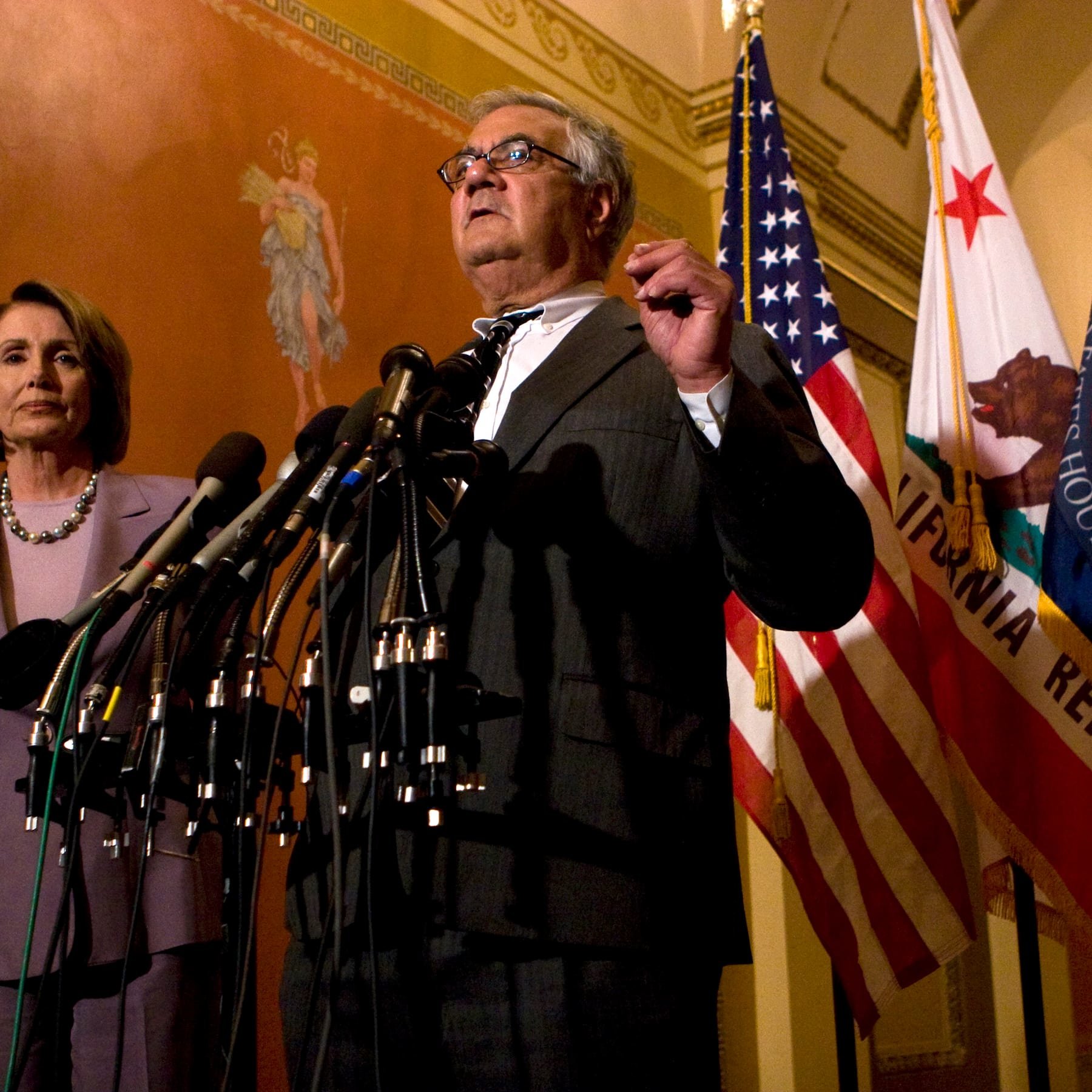
Barney Frank, Key Architect of Modern U.S. Financial Reform, Dies at 86
Former congressman and early openly gay lawmaker shaped banking regulation after the 2008 crisis and helped transform U.S. financial oversight
Barney Frank, a former U.S. congressman and a central figure in modern American financial regulation as well as LGBTQ political representation, has died at the age of eighty-six.
His death marks the end of a career that spanned decades in which he helped reshape both economic governance and social inclusion in American public life.
Frank served in the U.S. House of Representatives from Massachusetts for over three decades, becoming one of the most influential lawmakers on financial policy during his tenure.
He rose to prominence as chair of the House Financial Services Committee, where he played a decisive role in crafting the Dodd-Frank Wall Street Reform and Consumer Protection Act following the 2008 global financial crisis.
That legislation significantly expanded federal oversight of banks, introduced new consumer protections, and established mechanisms intended to reduce systemic financial risk.
A key driver of his political legacy was his central role in stabilizing the financial system after the crisis.
The Dodd-Frank framework created new regulatory institutions and imposed stricter capital and reporting requirements on major financial firms.
Supporters credit the law with reducing the likelihood of another systemic banking collapse, while critics argue it increased compliance burdens and constrained lending activity.
Frank remained one of the most visible defenders of the reform package in the years after its passage.
Beyond economic policy, Frank was also a landmark figure in LGBTQ political history.
He became one of the first openly gay members of Congress, coming out in the late 1980s during a period when such disclosure carried significant political risk.
His public identity and long electoral success contributed to a broader shift in representation within American politics and helped normalize LGBTQ participation in federal government institutions.
Throughout his career, Frank was known for a direct, often combative political style and for his willingness to engage in complex legislative negotiations.
He frequently worked across ideological lines on financial matters, while remaining a consistent advocate for expanded regulation of the banking sector and consumer financial protections.
His influence extended beyond legislation into institutional design.
Many of the regulatory structures governing mortgage markets, derivatives trading, and banking supervision in the United States reflect frameworks he helped shape or negotiate.
These systems remain central to the functioning of the modern American financial system.
In later years, Frank continued to participate in public policy discussions, particularly on financial regulation and housing markets, while also serving in advisory and private sector roles.
His career is widely viewed as a rare combination of legislative longevity, technical policy influence, and cultural impact on representation in national politics.
His death closes a chapter in U.S. political history defined by major financial upheaval, regulatory transformation, and evolving social norms, leaving behind a legislative legacy embedded in the structure of the country’s financial system and in the trajectory of LGBTQ political inclusion.
His death marks the end of a career that spanned decades in which he helped reshape both economic governance and social inclusion in American public life.
Frank served in the U.S. House of Representatives from Massachusetts for over three decades, becoming one of the most influential lawmakers on financial policy during his tenure.
He rose to prominence as chair of the House Financial Services Committee, where he played a decisive role in crafting the Dodd-Frank Wall Street Reform and Consumer Protection Act following the 2008 global financial crisis.
That legislation significantly expanded federal oversight of banks, introduced new consumer protections, and established mechanisms intended to reduce systemic financial risk.
A key driver of his political legacy was his central role in stabilizing the financial system after the crisis.
The Dodd-Frank framework created new regulatory institutions and imposed stricter capital and reporting requirements on major financial firms.
Supporters credit the law with reducing the likelihood of another systemic banking collapse, while critics argue it increased compliance burdens and constrained lending activity.
Frank remained one of the most visible defenders of the reform package in the years after its passage.
Beyond economic policy, Frank was also a landmark figure in LGBTQ political history.
He became one of the first openly gay members of Congress, coming out in the late 1980s during a period when such disclosure carried significant political risk.
His public identity and long electoral success contributed to a broader shift in representation within American politics and helped normalize LGBTQ participation in federal government institutions.
Throughout his career, Frank was known for a direct, often combative political style and for his willingness to engage in complex legislative negotiations.
He frequently worked across ideological lines on financial matters, while remaining a consistent advocate for expanded regulation of the banking sector and consumer financial protections.
His influence extended beyond legislation into institutional design.
Many of the regulatory structures governing mortgage markets, derivatives trading, and banking supervision in the United States reflect frameworks he helped shape or negotiate.
These systems remain central to the functioning of the modern American financial system.
In later years, Frank continued to participate in public policy discussions, particularly on financial regulation and housing markets, while also serving in advisory and private sector roles.
His career is widely viewed as a rare combination of legislative longevity, technical policy influence, and cultural impact on representation in national politics.
His death closes a chapter in U.S. political history defined by major financial upheaval, regulatory transformation, and evolving social norms, leaving behind a legislative legacy embedded in the structure of the country’s financial system and in the trajectory of LGBTQ political inclusion.