White HouseSenateThe HouseSupreme CourtFederal ReserveDOJState DepartmentTreasuryCensusBudget OfficeTrade Representative
WashingTone
Informed by Washington, Defined by Insight
Thursday, May 07, 2026
WashingTone

Satellite Evidence Suggests Wider Iranian Strikes on U.S. Military Assets Than Publicly Acknowledged
New imagery points to broader damage claims amid rising scrutiny of regional escalation dynamics and military transparency in the Gulf
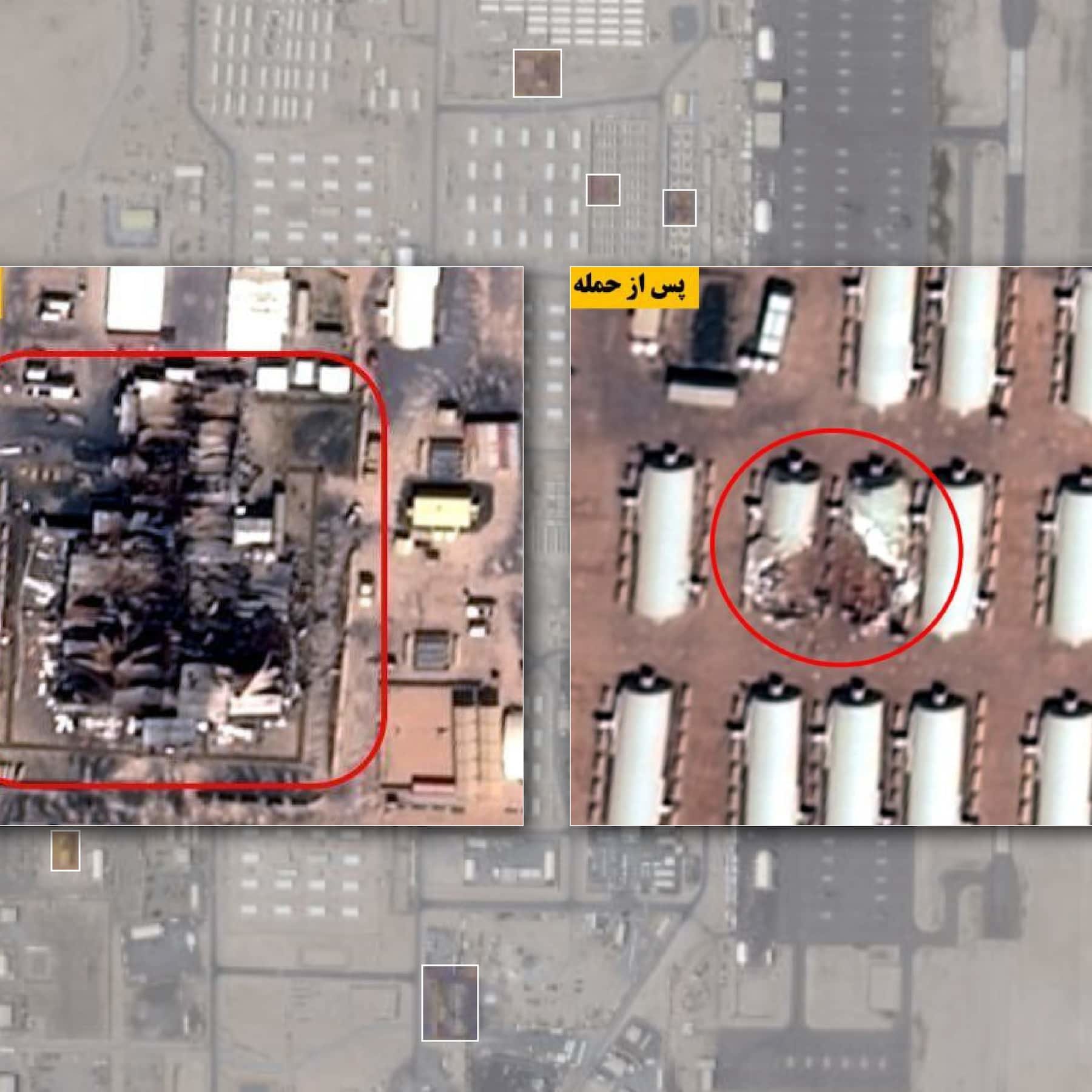
A growing reassessment of military transparency in the Middle East is being driven by newly analyzed satellite imagery indicating that Iranian attacks may have struck a wider set of U.S. military assets than previously disclosed by official reporting.
What is confirmed is that satellite images reviewed in recent analysis show physical damage consistent with strike impacts at additional locations associated with U.S. military presence in the region.
These findings suggest that the publicly reported scope of Iranian strikes may not fully reflect the extent of infrastructure potentially affected during recent episodes of regional escalation.
The imagery includes visible structural disruption and damage patterns that analysts associate with missile or drone impacts.
The United States maintains a network of military installations across the Middle East, including air bases, logistics hubs, and naval support facilities.
These assets are distributed across several Gulf and adjacent countries, forming a rapid-response posture designed to deter regional escalation and support allied operations.
Any expansion in confirmed strike impact zones would therefore carry operational implications for force protection, readiness, and regional deterrence planning.
Iran and aligned regional groups have previously carried out missile and drone attacks targeting U.S. and allied facilities in response to military and political tensions in the region.
In past incidents, official public disclosures have sometimes differed from later independent assessments based on satellite data, particularly in cases where damage assessments were initially limited to direct personnel impacts rather than infrastructure effects.
The key issue in the current reassessment is the gap between publicly acknowledged strike outcomes and independently observed physical evidence.
Satellite imagery does not in itself determine intent or attribution with absolute certainty, but it is widely used to verify damage patterns, confirm strike locations, and assess operational consequences in areas where direct access is restricted.
If additional strike sites are confirmed, it could reshape assessments of both the scale and effectiveness of Iranian long-range capabilities, as well as U.S. defensive coverage across its regional footprint.
It would also raise questions about reporting thresholds used in public military communications, particularly regarding what constitutes a formally acknowledged strike impact.
The situation reflects a broader pattern in modern conflict environments, where remote sensing technologies increasingly supplement or challenge official narratives by providing independent verification of physical damage in inaccessible or politically sensitive areas.
This has become especially relevant in regions where direct reporting is limited due to security restrictions.
Military analysts caution that satellite interpretation requires careful validation, as damage signatures can sometimes overlap with non-combat causes.
However, consistent patterns across multiple images strengthen the likelihood of strike-related impacts, particularly when aligned with known timelines of regional military activity.
The emerging evidence does not independently confirm casualty figures or operational disruption levels at each site, but it does indicate that the geographic footprint of potential strike activity may be broader than previously acknowledged in official summaries.
As assessments continue, the central implication is that understanding of recent regional escalation may shift from isolated incidents to a more distributed pattern of engagement across multiple military installations, with consequences for how both deterrence and escalation management are evaluated going forward.
What is confirmed is that satellite images reviewed in recent analysis show physical damage consistent with strike impacts at additional locations associated with U.S. military presence in the region.
These findings suggest that the publicly reported scope of Iranian strikes may not fully reflect the extent of infrastructure potentially affected during recent episodes of regional escalation.
The imagery includes visible structural disruption and damage patterns that analysts associate with missile or drone impacts.
The United States maintains a network of military installations across the Middle East, including air bases, logistics hubs, and naval support facilities.
These assets are distributed across several Gulf and adjacent countries, forming a rapid-response posture designed to deter regional escalation and support allied operations.
Any expansion in confirmed strike impact zones would therefore carry operational implications for force protection, readiness, and regional deterrence planning.
Iran and aligned regional groups have previously carried out missile and drone attacks targeting U.S. and allied facilities in response to military and political tensions in the region.
In past incidents, official public disclosures have sometimes differed from later independent assessments based on satellite data, particularly in cases where damage assessments were initially limited to direct personnel impacts rather than infrastructure effects.
The key issue in the current reassessment is the gap between publicly acknowledged strike outcomes and independently observed physical evidence.
Satellite imagery does not in itself determine intent or attribution with absolute certainty, but it is widely used to verify damage patterns, confirm strike locations, and assess operational consequences in areas where direct access is restricted.
If additional strike sites are confirmed, it could reshape assessments of both the scale and effectiveness of Iranian long-range capabilities, as well as U.S. defensive coverage across its regional footprint.
It would also raise questions about reporting thresholds used in public military communications, particularly regarding what constitutes a formally acknowledged strike impact.
The situation reflects a broader pattern in modern conflict environments, where remote sensing technologies increasingly supplement or challenge official narratives by providing independent verification of physical damage in inaccessible or politically sensitive areas.
This has become especially relevant in regions where direct reporting is limited due to security restrictions.
Military analysts caution that satellite interpretation requires careful validation, as damage signatures can sometimes overlap with non-combat causes.
However, consistent patterns across multiple images strengthen the likelihood of strike-related impacts, particularly when aligned with known timelines of regional military activity.
The emerging evidence does not independently confirm casualty figures or operational disruption levels at each site, but it does indicate that the geographic footprint of potential strike activity may be broader than previously acknowledged in official summaries.
As assessments continue, the central implication is that understanding of recent regional escalation may shift from isolated incidents to a more distributed pattern of engagement across multiple military installations, with consequences for how both deterrence and escalation management are evaluated going forward.