White HouseSenateThe HouseSupreme CourtFederal ReserveDOJState DepartmentTreasuryCensusBudget OfficeTrade Representative
WashingTone
Informed by Washington, Defined by Insight
Thursday, May 07, 2026
WashingTone

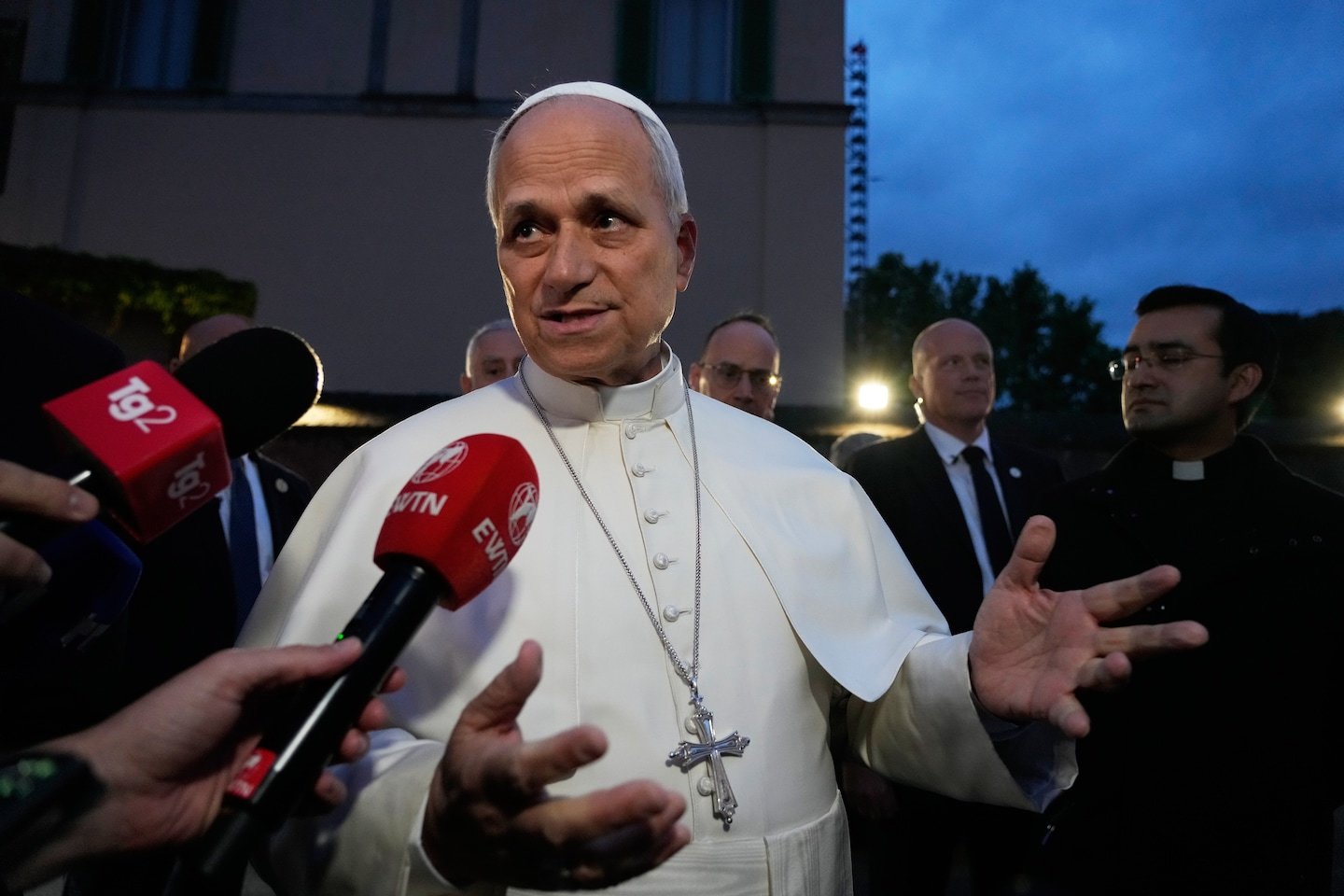
Trump Escalates Criticism of Pope Leo as U.S. Diplomacy Prepares for Rome Visit
Public remarks widen political-religious tensions as Secretary of State Rubio’s upcoming Vatican trip adds diplomatic weight to an already sensitive moment
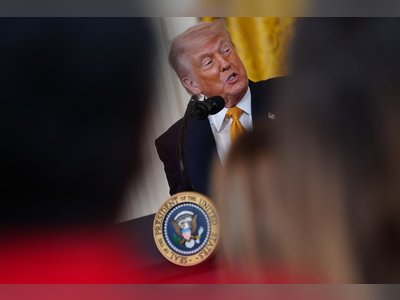
A politically sensitive intersection of religion and U.S. foreign policy is being driven by escalating public comments from President Donald Trump directed at Pope Leo, alongside preparations for a high-level diplomatic visit to Rome by U.S. Secretary of State Marco Rubio.
What is confirmed is that Trump has recently renewed criticism of Pope Leo in public remarks, continuing a pattern of friction between the U.S. president and the Vatican’s leadership.
The comments come at a time when the United States is preparing for formal diplomatic engagement with the Holy See through Rubio’s scheduled trip to Rome, where meetings with senior Vatican officials are expected.
The Vatican, a sovereign city-state and the administrative center of the Roman Catholic Church, maintains a long-standing diplomatic relationship with the United States.
While it does not typically engage in partisan political disputes, statements involving its leadership can carry diplomatic weight due to its global religious influence and soft power across multiple regions.
Trump’s latest remarks extend an ongoing public dynamic in which he has criticized aspects of Vatican leadership and positions associated with Pope Leo.
The specific content of the criticism has centered on policy and ideological differences, though the Vatican itself has not adopted a direct retaliatory public stance, consistent with its tradition of avoiding escalation in political disputes.
The timing is significant because Rubio’s upcoming visit places U.S. foreign policy representation inside the Vatican during a period of heightened rhetorical tension.
Such visits typically focus on humanitarian coordination, global conflict zones, religious freedom, migration issues, and diplomatic communication channels involving Catholic-majority regions.
Diplomatic interactions between the United States and the Holy See often function as indirect channels for global conflict mediation and humanitarian coordination, particularly in regions affected by war, displacement, or political instability.
The presence of public political tension surrounding the Vatican leadership can complicate the tone of such engagements, even when formal diplomatic agendas remain unchanged.
The broader implication is that domestic political messaging in the United States is increasingly intersecting with international religious diplomacy, where statements directed at religious leadership can carry consequences beyond domestic political audiences.
However, formal diplomatic relations between Washington and the Vatican remain intact and operational.
Rubio’s visit is expected to proceed as scheduled, with engagement focused on policy coordination rather than political rhetoric, reinforcing the separation between executive diplomatic channels and public political discourse.
What is confirmed is that Trump has recently renewed criticism of Pope Leo in public remarks, continuing a pattern of friction between the U.S. president and the Vatican’s leadership.
The comments come at a time when the United States is preparing for formal diplomatic engagement with the Holy See through Rubio’s scheduled trip to Rome, where meetings with senior Vatican officials are expected.
The Vatican, a sovereign city-state and the administrative center of the Roman Catholic Church, maintains a long-standing diplomatic relationship with the United States.
While it does not typically engage in partisan political disputes, statements involving its leadership can carry diplomatic weight due to its global religious influence and soft power across multiple regions.
Trump’s latest remarks extend an ongoing public dynamic in which he has criticized aspects of Vatican leadership and positions associated with Pope Leo.
The specific content of the criticism has centered on policy and ideological differences, though the Vatican itself has not adopted a direct retaliatory public stance, consistent with its tradition of avoiding escalation in political disputes.
The timing is significant because Rubio’s upcoming visit places U.S. foreign policy representation inside the Vatican during a period of heightened rhetorical tension.
Such visits typically focus on humanitarian coordination, global conflict zones, religious freedom, migration issues, and diplomatic communication channels involving Catholic-majority regions.
Diplomatic interactions between the United States and the Holy See often function as indirect channels for global conflict mediation and humanitarian coordination, particularly in regions affected by war, displacement, or political instability.
The presence of public political tension surrounding the Vatican leadership can complicate the tone of such engagements, even when formal diplomatic agendas remain unchanged.
The broader implication is that domestic political messaging in the United States is increasingly intersecting with international religious diplomacy, where statements directed at religious leadership can carry consequences beyond domestic political audiences.
However, formal diplomatic relations between Washington and the Vatican remain intact and operational.
Rubio’s visit is expected to proceed as scheduled, with engagement focused on policy coordination rather than political rhetoric, reinforcing the separation between executive diplomatic channels and public political discourse.