White HouseSenateThe HouseSupreme CourtFederal ReserveDOJState DepartmentTreasuryCensusBudget OfficeTrade Representative
WashingTone
Informed by Washington, Defined by Insight
Wednesday, May 06, 2026
WashingTone

White House Sent Advance Warning to Iran Ahead of Hormuz Security Operation
Preemptive communication underscores effort to contain escalation as U.S. moves to safeguard critical oil shipping route
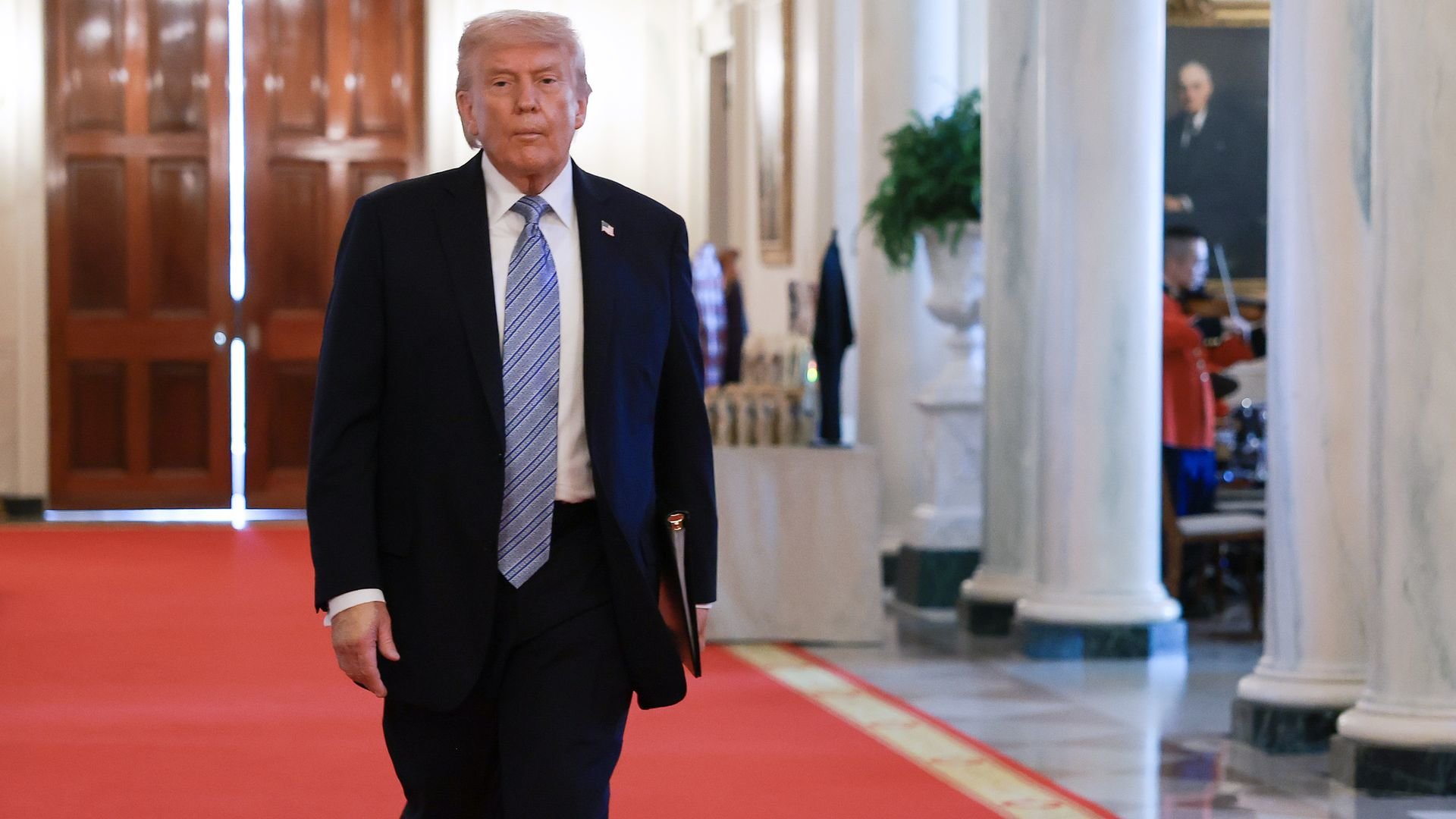
The White House delivered a private message to Iran ahead of a planned U.S.-linked operation to secure the Strait of Hormuz, signaling an attempt by the U.S. government to manage escalation while preparing for a sensitive military and security initiative in one of the world’s most critical maritime corridors.
What is confirmed is that U.S. officials used backchannel communication to notify Iranian counterparts before the operation moved forward.
The message was intended to clarify the limited scope of the mission and to reduce the risk of miscalculation between forces operating in close proximity.
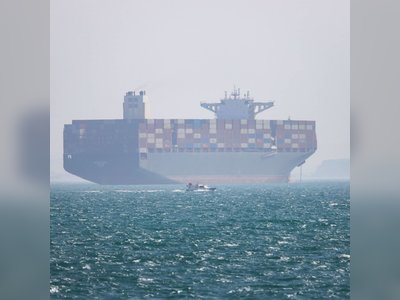
The Strait of Hormuz, through which a significant share of global oil exports flows, has been the focal point of repeated confrontations involving Iran, U.S. forces, and regional actors.
The mechanism behind the communication reflects a longstanding practice in high-risk theaters: signaling intent before action to prevent unintended escalation.
By framing the operation as defensive and temporary, U.S. officials aimed to distinguish it from offensive military activity and to reduce the likelihood of a direct Iranian response.
This approach mirrors prior deconfliction efforts used in other conflict zones where adversaries operate in parallel without formal coordination.
The operation itself is tied to rising threats against commercial shipping, including attacks and seizures that have disrupted maritime traffic.
U.S. officials have described the mission as focused on restoring safe passage rather than altering the regional balance of power.
The emphasis on temporariness is designed to limit political fallout while addressing immediate security risks.
Iran’s position remains adversarial but calibrated.
Iranian authorities have consistently opposed foreign military presence in the Gulf, framing it as a violation of regional sovereignty.
At the same time, Iran has shown a pattern of measured responses when advance signals are received, balancing deterrence with a desire to avoid full-scale confrontation.
The stakes are global.
Any sustained disruption in the Strait of Hormuz would have immediate effects on energy markets, insurance costs, and supply chains.
Even limited incidents can trigger price volatility and force shipping companies to reroute or suspend operations, amplifying economic pressure far beyond the region.
The communication also reflects broader U.S. strategy in dealing with Iran: combining deterrence with controlled signaling.
Rather than relying solely on military posture, the approach integrates diplomatic messaging to shape how actions are interpreted.
This dual-track method aims to maintain operational freedom while reducing the risk of rapid escalation driven by misunderstanding.
For regional allies, the move provides reassurance that the United States is actively working to secure maritime routes without provoking unnecessary conflict.
Gulf states remain highly sensitive to both Iranian activity and the risk of becoming direct participants in a larger confrontation.
The immediate consequence of the advance warning is a lower probability of accidental engagement as the operation proceeds.
It establishes a clearer framework for how both sides interpret movements in a congested and contested environment.
The operation is now moving forward under this calibrated posture, with U.S. forces and partners focused on maintaining open shipping lanes while managing the risk of confrontation through continued signaling and controlled deployment.
What is confirmed is that U.S. officials used backchannel communication to notify Iranian counterparts before the operation moved forward.
The message was intended to clarify the limited scope of the mission and to reduce the risk of miscalculation between forces operating in close proximity.
The Strait of Hormuz, through which a significant share of global oil exports flows, has been the focal point of repeated confrontations involving Iran, U.S. forces, and regional actors.
The mechanism behind the communication reflects a longstanding practice in high-risk theaters: signaling intent before action to prevent unintended escalation.
By framing the operation as defensive and temporary, U.S. officials aimed to distinguish it from offensive military activity and to reduce the likelihood of a direct Iranian response.
This approach mirrors prior deconfliction efforts used in other conflict zones where adversaries operate in parallel without formal coordination.
The operation itself is tied to rising threats against commercial shipping, including attacks and seizures that have disrupted maritime traffic.
U.S. officials have described the mission as focused on restoring safe passage rather than altering the regional balance of power.
The emphasis on temporariness is designed to limit political fallout while addressing immediate security risks.
Iran’s position remains adversarial but calibrated.
Iranian authorities have consistently opposed foreign military presence in the Gulf, framing it as a violation of regional sovereignty.
At the same time, Iran has shown a pattern of measured responses when advance signals are received, balancing deterrence with a desire to avoid full-scale confrontation.
The stakes are global.
Any sustained disruption in the Strait of Hormuz would have immediate effects on energy markets, insurance costs, and supply chains.
Even limited incidents can trigger price volatility and force shipping companies to reroute or suspend operations, amplifying economic pressure far beyond the region.
The communication also reflects broader U.S. strategy in dealing with Iran: combining deterrence with controlled signaling.
Rather than relying solely on military posture, the approach integrates diplomatic messaging to shape how actions are interpreted.
This dual-track method aims to maintain operational freedom while reducing the risk of rapid escalation driven by misunderstanding.
For regional allies, the move provides reassurance that the United States is actively working to secure maritime routes without provoking unnecessary conflict.
Gulf states remain highly sensitive to both Iranian activity and the risk of becoming direct participants in a larger confrontation.
The immediate consequence of the advance warning is a lower probability of accidental engagement as the operation proceeds.
It establishes a clearer framework for how both sides interpret movements in a congested and contested environment.
The operation is now moving forward under this calibrated posture, with U.S. forces and partners focused on maintaining open shipping lanes while managing the risk of confrontation through continued signaling and controlled deployment.