White HouseSenateThe HouseSupreme CourtFederal ReserveDOJState DepartmentTreasuryCensusBudget OfficeTrade Representative
WashingTone
Informed by Washington, Defined by Insight
Thursday, Apr 30, 2026
WashingTone

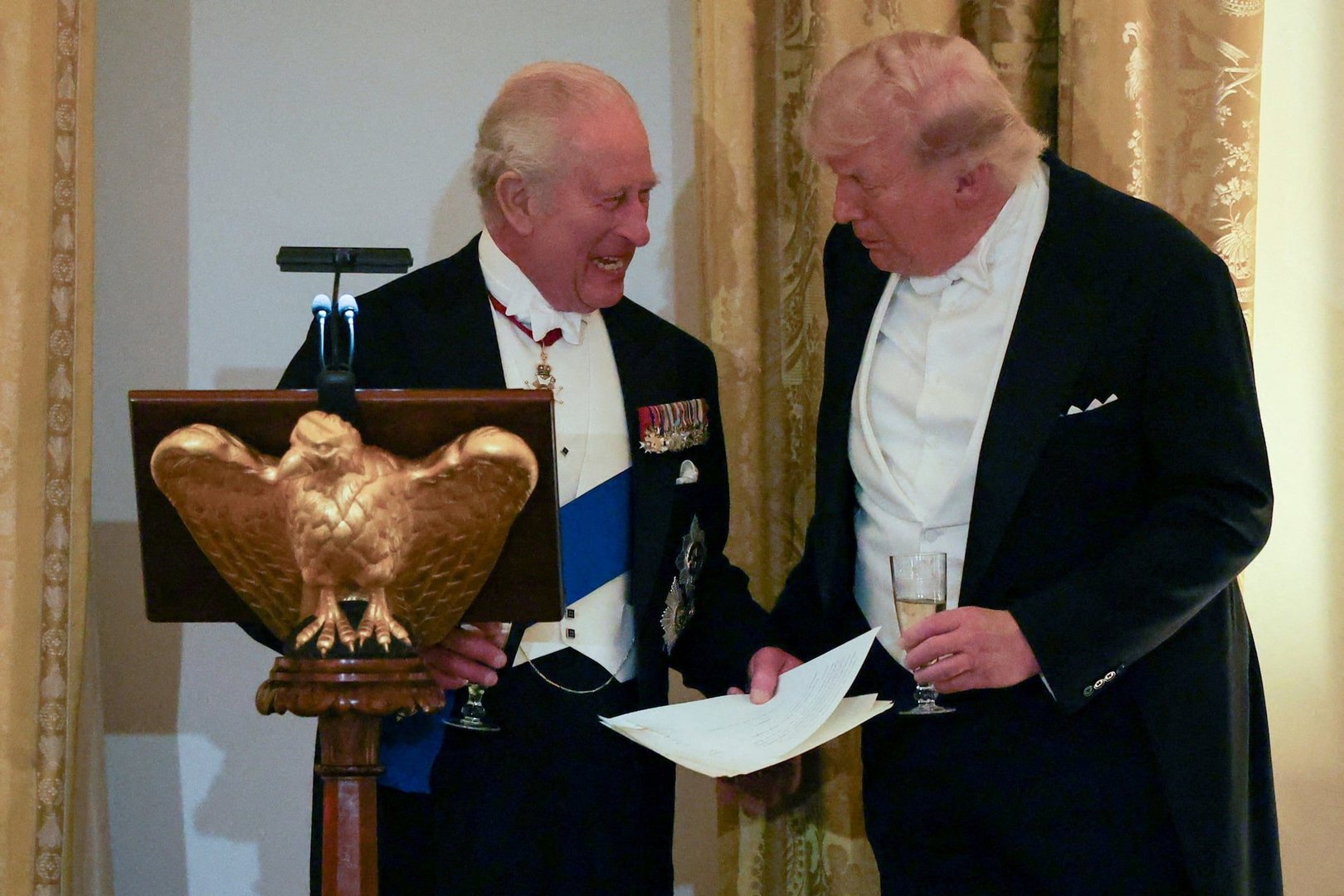
King’s US Visit Signals UK Push to Rebuild Strained Transatlantic Relations
Royal diplomacy is being used to reinforce UK–US ties amid political friction, economic recalibration, and shifting global alliances
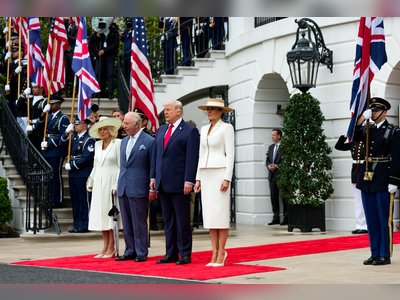
The United Kingdom’s use of high-level royal diplomacy in the United States reflects a deliberate effort to stabilise and strengthen transatlantic relations at a time when political alignment between London and Washington has become more complex and less predictable.
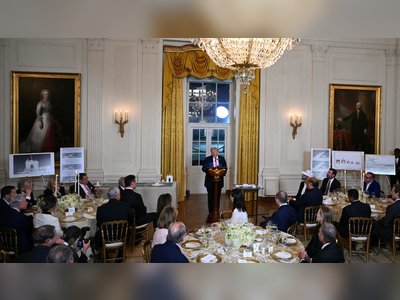
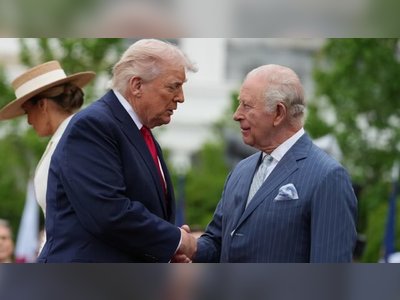
What is confirmed is that the King’s visit to the United States has been framed by UK officials as part of a broader diplomatic strategy to reinforce long-term bilateral ties, particularly in trade, security cooperation, and shared geopolitical priorities.
The visit operates alongside traditional government-to-government engagement but carries symbolic weight intended to signal continuity and stability in the relationship.
The underlying driver is the gradual strain that has developed in aspects of the UK–US relationship in recent years.
While the alliance remains structurally strong through NATO and deep intelligence cooperation, differences have emerged over trade policy, industrial strategy, and regulatory approaches.
These tensions have been amplified by shifts in US domestic politics and a more transactional global economic environment, in which trade agreements and investment flows are increasingly tied to strategic leverage rather than purely alliance-based logic.
Royal visits are not policy-making events, but they function as instruments of soft power.
In this case, the monarchy is being used to project diplomatic continuity at a time when government-level negotiations can be disrupted by electoral cycles, partisan divisions, or changing economic priorities.
The King’s role is therefore less about direct negotiation and more about reinforcing the perception of stability in the bilateral relationship.
The stakes for the UK are significant.
The United States remains one of its largest trading partners and a central pillar of its defence and intelligence architecture.
Any sustained cooling in relations would have implications for investment flows, technology cooperation, and coordination on global security issues ranging from Ukraine to Middle East stability.
At the same time, the UK is also seeking to position itself as a flexible global actor, balancing its US alignment with deeper engagement in Europe and the Indo-Pacific region.
For Washington, the relationship with London continues to offer strategic value, particularly in intelligence sharing and military interoperability.
However, US policy priorities have increasingly focused on domestic industrial policy and competition with China, which can create friction with traditional allies over supply chains, subsidies, and regulatory alignment.
The current visit reflects an effort to manage these pressures without over-relying on formal treaty renegotiation or high-stakes diplomatic resets.
Instead, both sides are leaning on established institutional frameworks and symbolic diplomacy to maintain momentum in the relationship while navigating areas of disagreement.
The broader implication is that the UK–US relationship is not weakening in structural terms, but it is becoming more conditional, issue-specific, and sensitive to political cycles.
Royal diplomacy is being deployed as a stabilising tool within that environment, reinforcing continuity at a time when strategic alignment can no longer be assumed to operate automatically across all policy areas.
What is confirmed is that the King’s visit to the United States has been framed by UK officials as part of a broader diplomatic strategy to reinforce long-term bilateral ties, particularly in trade, security cooperation, and shared geopolitical priorities.
The visit operates alongside traditional government-to-government engagement but carries symbolic weight intended to signal continuity and stability in the relationship.
The underlying driver is the gradual strain that has developed in aspects of the UK–US relationship in recent years.
While the alliance remains structurally strong through NATO and deep intelligence cooperation, differences have emerged over trade policy, industrial strategy, and regulatory approaches.
These tensions have been amplified by shifts in US domestic politics and a more transactional global economic environment, in which trade agreements and investment flows are increasingly tied to strategic leverage rather than purely alliance-based logic.
Royal visits are not policy-making events, but they function as instruments of soft power.
In this case, the monarchy is being used to project diplomatic continuity at a time when government-level negotiations can be disrupted by electoral cycles, partisan divisions, or changing economic priorities.
The King’s role is therefore less about direct negotiation and more about reinforcing the perception of stability in the bilateral relationship.
The stakes for the UK are significant.
The United States remains one of its largest trading partners and a central pillar of its defence and intelligence architecture.
Any sustained cooling in relations would have implications for investment flows, technology cooperation, and coordination on global security issues ranging from Ukraine to Middle East stability.
At the same time, the UK is also seeking to position itself as a flexible global actor, balancing its US alignment with deeper engagement in Europe and the Indo-Pacific region.
For Washington, the relationship with London continues to offer strategic value, particularly in intelligence sharing and military interoperability.
However, US policy priorities have increasingly focused on domestic industrial policy and competition with China, which can create friction with traditional allies over supply chains, subsidies, and regulatory alignment.
The current visit reflects an effort to manage these pressures without over-relying on formal treaty renegotiation or high-stakes diplomatic resets.
Instead, both sides are leaning on established institutional frameworks and symbolic diplomacy to maintain momentum in the relationship while navigating areas of disagreement.
The broader implication is that the UK–US relationship is not weakening in structural terms, but it is becoming more conditional, issue-specific, and sensitive to political cycles.
Royal diplomacy is being deployed as a stabilising tool within that environment, reinforcing continuity at a time when strategic alignment can no longer be assumed to operate automatically across all policy areas.