White HouseSenateThe HouseSupreme CourtFederal ReserveDOJState DepartmentTreasuryCensusBudget OfficeTrade Representative
WashingTone
Informed by Washington, Defined by Insight
Thursday, Apr 30, 2026
WashingTone

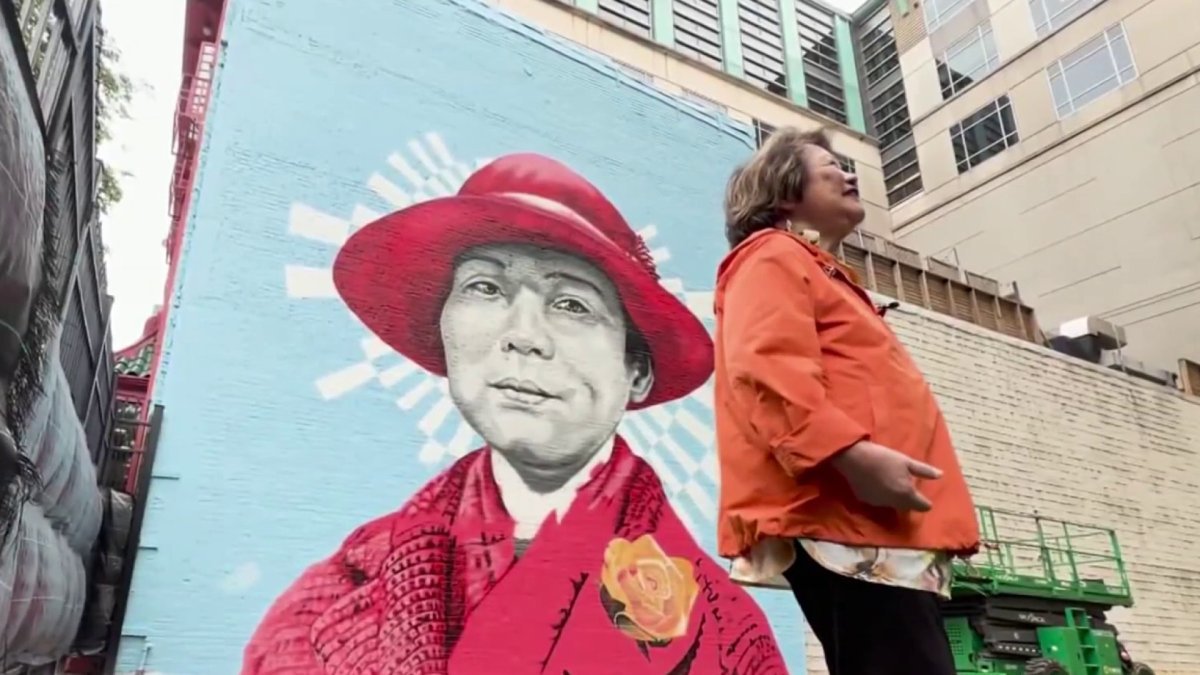
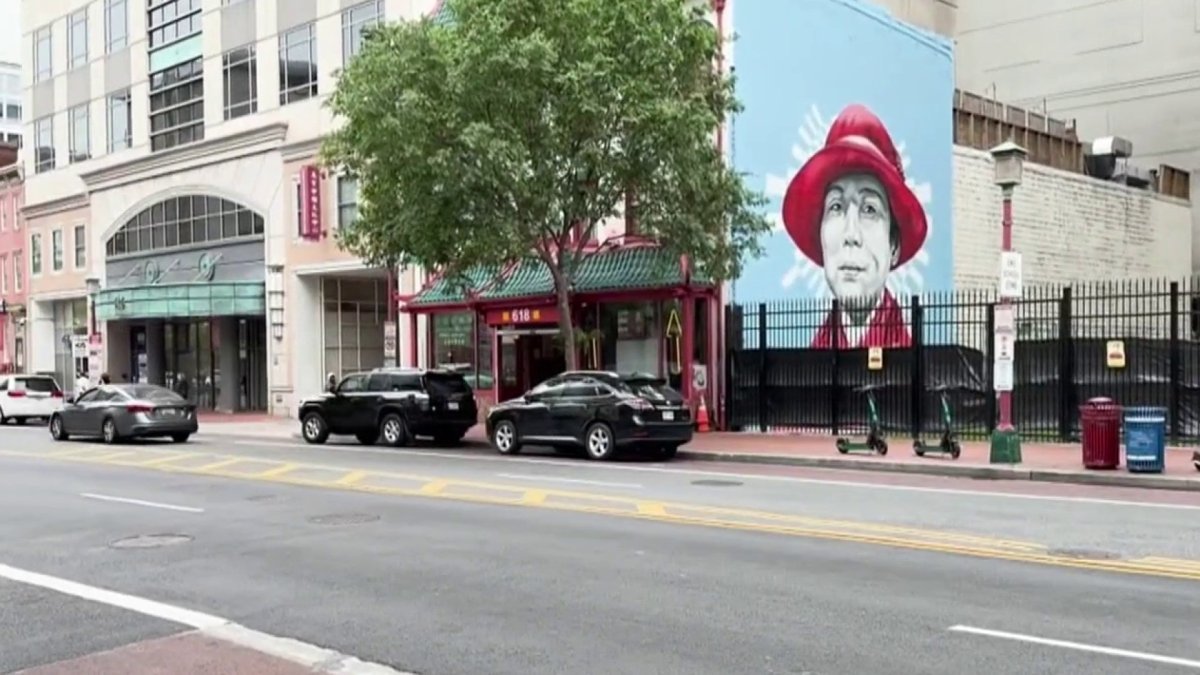
Washington mural in Chinatown links women’s suffrage and Chinese American history in a single public monument
A new large-scale mural honoring suffragist Mabel Ping-Hua Lee is being installed in Washington, D.C.’s Chinatown, tying the fight for women’s voting rights to the history of Chinese exclusion and immigrant civic life ahead of America’s 250th anniversary
A new public mural in Washington, D.C. is being created as a SYSTEM-DRIVEN cultural intervention: an intentional use of public art to reframe how American democratic history is represented in urban space.
The work, installed on the side of the Chinatown Garden building on H Street NW, centers on Mabel Ping-Hua Lee, a Chinese American suffragist whose life connects two historically separate narratives — the women’s suffrage movement and the long exclusion of Chinese immigrants from U.S. citizenship.
What is confirmed is that the mural is part of a broader commemorative effort tied to upcoming national milestones, including the United States’ 250th anniversary.
It is being developed by community and cultural organizers focused on Chinese American history, with the stated aim of making overlooked immigrant contributions more visible in a heavily trafficked part of the capital.
The installation is expected to be formally unveiled during the Fourth of July period, positioning it within a national celebration cycle rather than as an isolated neighborhood artwork.
The subject of the mural, Mabel Ping-Hua Lee, is historically documented as a key but often under-recognized figure in the women’s suffrage movement.
She participated as a teenager in suffrage activism in the early twentieth century, including public demonstrations, while also pursuing advanced academic achievement in the United States.
She became the first Chinese woman to earn a PhD in economics in the country.
Despite women gaining the right to vote in 1920 through the Nineteenth Amendment, Lee herself was effectively excluded from voting for much of her life due to immigration laws that denied citizenship to Chinese immigrants.
That legal contradiction is central to the mural’s framing.
The Chinese Exclusion Act, enacted in 1882, barred Chinese immigration and prevented many Chinese residents from naturalizing as citizens.
Although later repealed in 1943, its long-term impact shaped generations of political exclusion.
In Lee’s case, the consequence was direct: participation in the suffrage movement did not translate into the right she was advocating for, because citizenship remained out of reach.
The mural’s conceptual origin comes from organizations focused on Chinese American historical recognition, which argue that mainstream narratives of American democracy often separate immigrant labor, civil rights struggles, and suffrage history into unrelated chapters.
By placing Lee’s image in a prominent public corridor, the project attempts to collapse those categories into a single visual statement: voting rights expansion and immigration restriction were not parallel stories, but deeply intertwined systems operating at the same time.
The key issue is therefore not only commemorative but interpretive.
The mural is designed to challenge a simplified civic memory of suffrage as a completed achievement in 1920. Instead, it highlights how legal status, race, and citizenship determined who could actually benefit from that expansion of rights.
The installation also reflects a broader trend in Washington’s public art landscape, where murals have increasingly been used as semi-permanent civic narratives.
Across the city, large-scale works have addressed themes ranging from racial justice to gender equality, often situated in high-visibility corridors that intersect tourism, government institutions, and local communities.
In this case, the Chinatown location is central to the meaning.
It is a neighborhood historically shaped by waves of immigration, displacement pressures, and ongoing cultural reinvention.
By placing a suffrage-era Chinese American figure in that environment, the mural directly links historical exclusion laws with present-day visibility and belonging.
As the project moves toward completion and its planned public unveiling, it functions less as a decorative installation and more as a curated historical argument in public space: that American democracy was built simultaneously through expansion of rights and restriction of access, and that both forces are still visible in the nation’s physical and cultural landscape today.
The work, installed on the side of the Chinatown Garden building on H Street NW, centers on Mabel Ping-Hua Lee, a Chinese American suffragist whose life connects two historically separate narratives — the women’s suffrage movement and the long exclusion of Chinese immigrants from U.S. citizenship.
What is confirmed is that the mural is part of a broader commemorative effort tied to upcoming national milestones, including the United States’ 250th anniversary.
It is being developed by community and cultural organizers focused on Chinese American history, with the stated aim of making overlooked immigrant contributions more visible in a heavily trafficked part of the capital.
The installation is expected to be formally unveiled during the Fourth of July period, positioning it within a national celebration cycle rather than as an isolated neighborhood artwork.
The subject of the mural, Mabel Ping-Hua Lee, is historically documented as a key but often under-recognized figure in the women’s suffrage movement.
She participated as a teenager in suffrage activism in the early twentieth century, including public demonstrations, while also pursuing advanced academic achievement in the United States.
She became the first Chinese woman to earn a PhD in economics in the country.
Despite women gaining the right to vote in 1920 through the Nineteenth Amendment, Lee herself was effectively excluded from voting for much of her life due to immigration laws that denied citizenship to Chinese immigrants.
That legal contradiction is central to the mural’s framing.
The Chinese Exclusion Act, enacted in 1882, barred Chinese immigration and prevented many Chinese residents from naturalizing as citizens.
Although later repealed in 1943, its long-term impact shaped generations of political exclusion.
In Lee’s case, the consequence was direct: participation in the suffrage movement did not translate into the right she was advocating for, because citizenship remained out of reach.
The mural’s conceptual origin comes from organizations focused on Chinese American historical recognition, which argue that mainstream narratives of American democracy often separate immigrant labor, civil rights struggles, and suffrage history into unrelated chapters.
By placing Lee’s image in a prominent public corridor, the project attempts to collapse those categories into a single visual statement: voting rights expansion and immigration restriction were not parallel stories, but deeply intertwined systems operating at the same time.
The key issue is therefore not only commemorative but interpretive.
The mural is designed to challenge a simplified civic memory of suffrage as a completed achievement in 1920. Instead, it highlights how legal status, race, and citizenship determined who could actually benefit from that expansion of rights.
The installation also reflects a broader trend in Washington’s public art landscape, where murals have increasingly been used as semi-permanent civic narratives.
Across the city, large-scale works have addressed themes ranging from racial justice to gender equality, often situated in high-visibility corridors that intersect tourism, government institutions, and local communities.
In this case, the Chinatown location is central to the meaning.
It is a neighborhood historically shaped by waves of immigration, displacement pressures, and ongoing cultural reinvention.
By placing a suffrage-era Chinese American figure in that environment, the mural directly links historical exclusion laws with present-day visibility and belonging.
As the project moves toward completion and its planned public unveiling, it functions less as a decorative installation and more as a curated historical argument in public space: that American democracy was built simultaneously through expansion of rights and restriction of access, and that both forces are still visible in the nation’s physical and cultural landscape today.