White HouseSenateThe HouseSupreme CourtFederal ReserveDOJState DepartmentTreasuryCensusBudget OfficeTrade Representative
WashingTone
Informed by Washington, Defined by Insight
Thursday, Apr 30, 2026
WashingTone

White House ballroom security claims face scrutiny as Trump defends expansion plans
Debate over proposed White House ballroom centers on whether large-scale event spaces improve or complicate presidential security operations
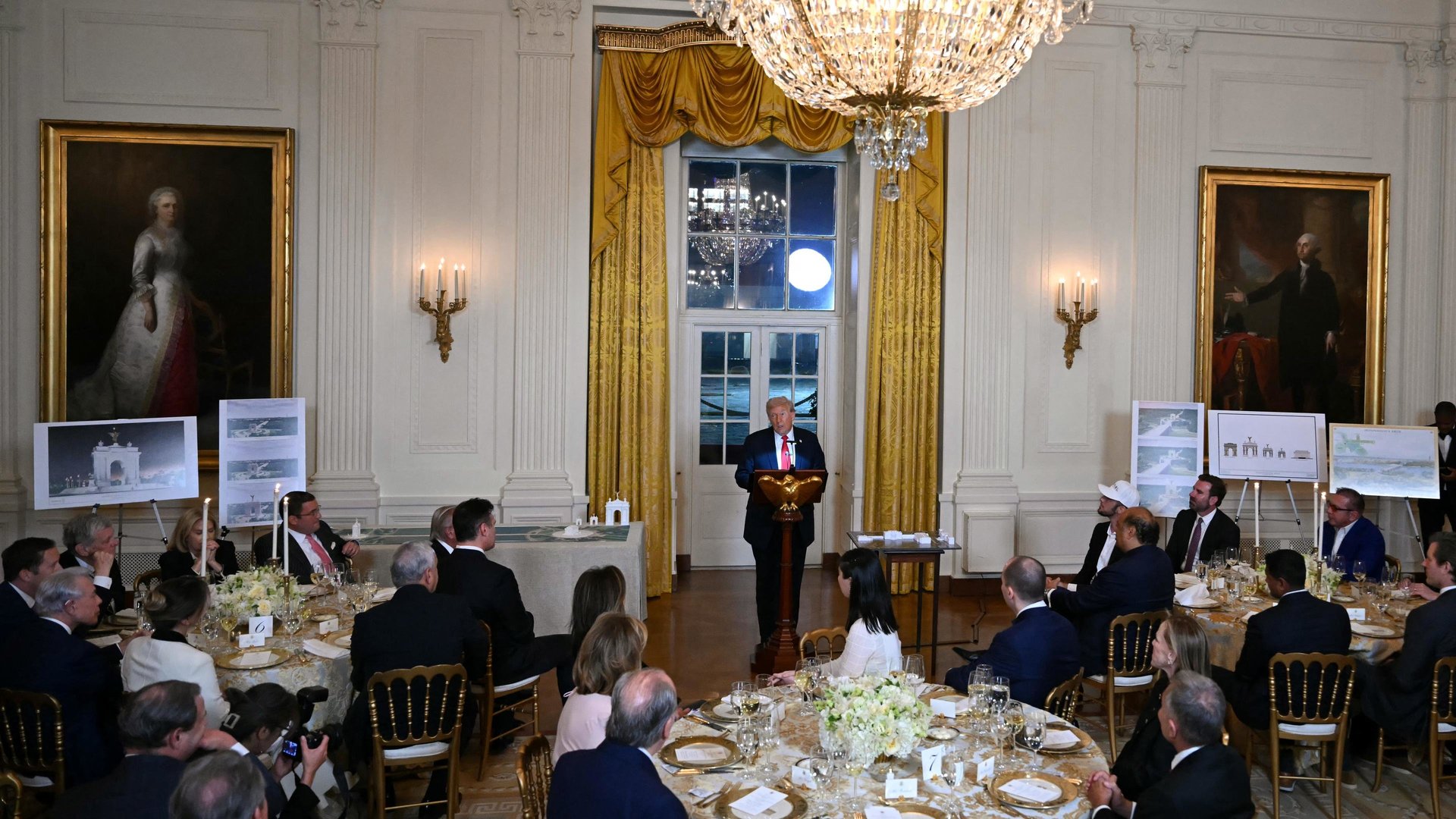
A SYSTEM-DRIVEN debate over White House security design has intensified after President Donald Trump argued that adding a large ballroom to the White House complex is necessary for safety and operational control during major events.
What is confirmed is that the proposal under discussion involves expanding or constructing a dedicated ballroom space intended to host large diplomatic receptions, state dinners, and high-profile events currently held in constrained or temporary arrangements within the White House complex or nearby federal facilities.
Trump has publicly framed the idea as a security improvement, arguing that current arrangements require moving large gatherings into multiple overlapping zones, relying on temporary structures or external venues that can complicate protective operations.
In his view, consolidating events into a purpose-built, controlled space would reduce logistical risk and improve coordination for the Secret Service.
Security experts broadly agree on a core principle: large events involving heads of state and senior officials are among the most complex protective environments in the world.
They require layered screening, controlled entry points, counter-surveillance systems, and tightly managed evacuation routes.
In that sense, venue design can materially affect operational security.
However, the key issue is not whether space matters, but how it is structured.
Expanding physical capacity does not automatically improve security.
Larger venues can introduce new vulnerabilities, including more entry points, extended perimeters, and greater difficulty in maintaining full visual control of attendees and staff.
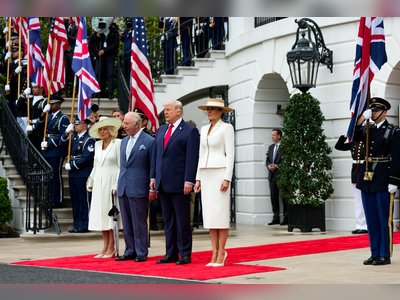
At present, White House state functions are often held in existing ceremonial spaces or temporarily adapted venues, including tented structures on the South Lawn for larger events.
These setups are designed to be flexible but require extensive coordination between the Secret Service, White House staff, and external contractors.
Critics of the ballroom proposal argue that permanent large-scale construction on the White House grounds could introduce long-term security and architectural constraints, including changes to perimeter integrity, underground infrastructure mapping, and emergency response routes.
They also point out that the existing campus was intentionally designed with limited expansion capacity for historical preservation and security control reasons.
Supporters counter that the current reliance on temporary structures and external venues forces security teams to repeatedly adapt to changing environments, which can increase operational complexity.
They argue that a purpose-built facility designed from the ground up with modern security requirements could reduce uncertainty and improve consistency in planning major events.
The debate also reflects a broader tension in executive security policy: whether modernization is best achieved through permanent infrastructure expansion or through adaptive operational procedures within existing protected spaces.
No final decision has been implemented, but the discussion has already raised questions about how future administrations balance historical preservation of the White House with evolving security demands for larger and more complex state functions.
Any eventual construction would require coordination across federal agencies, architectural oversight bodies, and security services, ensuring that changes do not compromise the layered protection system that defines the White House complex.
What is confirmed is that the proposal under discussion involves expanding or constructing a dedicated ballroom space intended to host large diplomatic receptions, state dinners, and high-profile events currently held in constrained or temporary arrangements within the White House complex or nearby federal facilities.
Trump has publicly framed the idea as a security improvement, arguing that current arrangements require moving large gatherings into multiple overlapping zones, relying on temporary structures or external venues that can complicate protective operations.
In his view, consolidating events into a purpose-built, controlled space would reduce logistical risk and improve coordination for the Secret Service.
Security experts broadly agree on a core principle: large events involving heads of state and senior officials are among the most complex protective environments in the world.
They require layered screening, controlled entry points, counter-surveillance systems, and tightly managed evacuation routes.
In that sense, venue design can materially affect operational security.
However, the key issue is not whether space matters, but how it is structured.
Expanding physical capacity does not automatically improve security.
Larger venues can introduce new vulnerabilities, including more entry points, extended perimeters, and greater difficulty in maintaining full visual control of attendees and staff.
At present, White House state functions are often held in existing ceremonial spaces or temporarily adapted venues, including tented structures on the South Lawn for larger events.
These setups are designed to be flexible but require extensive coordination between the Secret Service, White House staff, and external contractors.
Critics of the ballroom proposal argue that permanent large-scale construction on the White House grounds could introduce long-term security and architectural constraints, including changes to perimeter integrity, underground infrastructure mapping, and emergency response routes.
They also point out that the existing campus was intentionally designed with limited expansion capacity for historical preservation and security control reasons.
Supporters counter that the current reliance on temporary structures and external venues forces security teams to repeatedly adapt to changing environments, which can increase operational complexity.
They argue that a purpose-built facility designed from the ground up with modern security requirements could reduce uncertainty and improve consistency in planning major events.
The debate also reflects a broader tension in executive security policy: whether modernization is best achieved through permanent infrastructure expansion or through adaptive operational procedures within existing protected spaces.
No final decision has been implemented, but the discussion has already raised questions about how future administrations balance historical preservation of the White House with evolving security demands for larger and more complex state functions.
Any eventual construction would require coordination across federal agencies, architectural oversight bodies, and security services, ensuring that changes do not compromise the layered protection system that defines the White House complex.